
Data indicating the presence of various new and emerging psychoactive substances in wastewater samples from the 2023 Canadian Wastewater Survey are now included in the dashboard titled "Canadian Drug and Substance Watch" published by Health Canada.
Note to readers
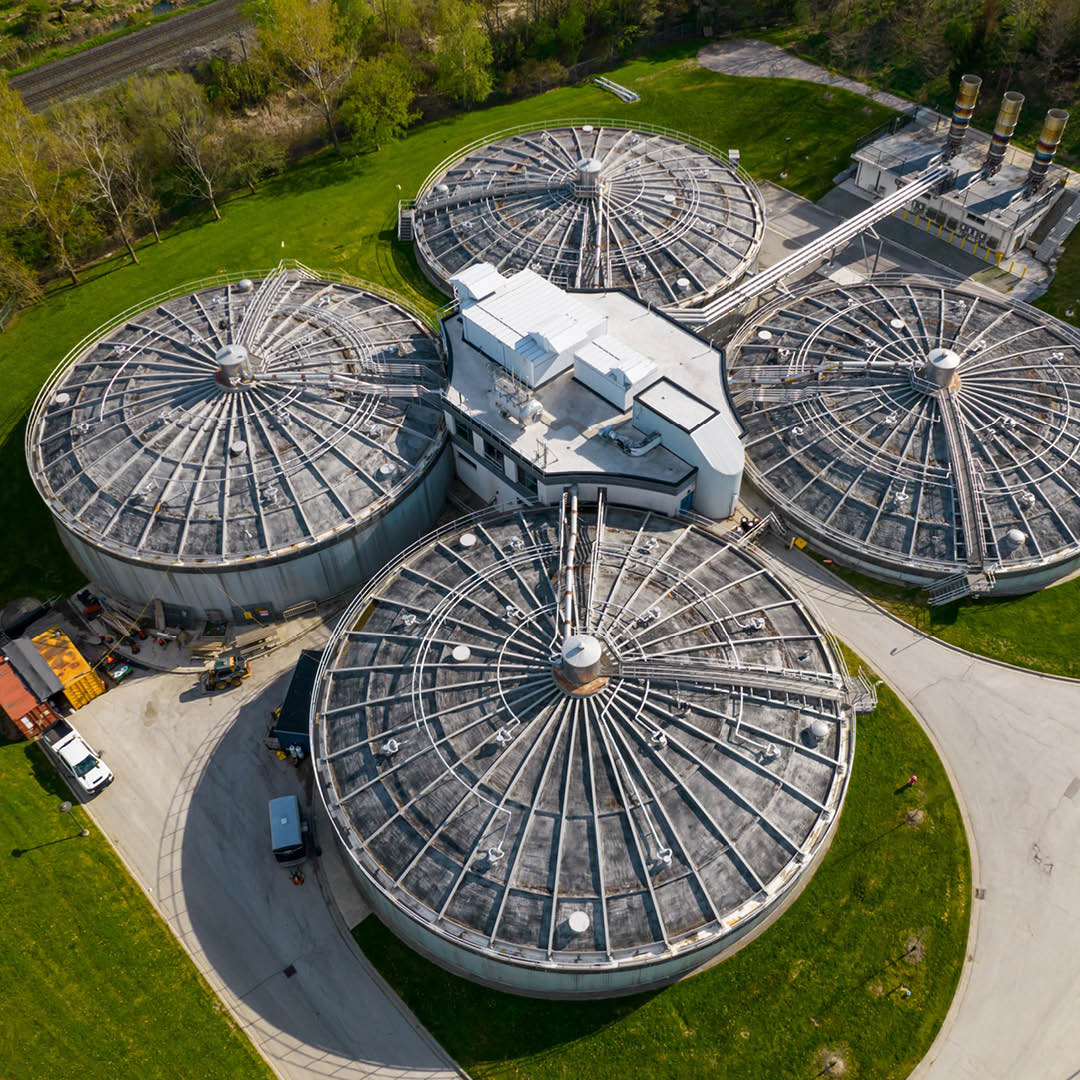
The Canadian Wastewater Survey collects wastewater samples from the influent of 17 participating wastewater treatment plants in seven cities (Metro Vancouver, Edmonton, Toronto, Montréal, Halifax, Prince Albert [Saskatchewan] and Saskatoon) covering a population of approximately 9 million people. Daily wastewater samples are collected for seven consecutive days during the second week of every month. Samples for 2023 were collected each month. Data from Prince Albert were not included in this analysis due to a pause in wastewater collection after May 2023.
For this release, Health Canada analyzed samples collected from July 2023 to December 2023, using mass spectrometry to screen for over 500 substances of interest. The results published in the dashboard indicate the detection of these substances in wastewater but do not quantify their amounts. It is also important to note that these results do not represent a comprehensive list of all psychoactive substances present in the surveyed catchments; they are limited to the substances included in Health Canada's screening list. In addition, some substances may be present, but at levels too low for detection.
The wastewater-based approach can provide data that are cost-effective and anonymous, with a low response burden to the wastewater treatment plants and, consequently, no response burden to residents within the wastewater treatment plant catchment area. This information can help inform more targeted public health responses.
Reference
Contact information
For more information, or to enquire about the concepts, methods or data quality of this release, contact us (toll-free 1-800-263-1136; 514-283-8300; infostats@statcan.gc.ca) or Media Relations (statcan.mediahotline-ligneinfomedias.statcan@statcan.gc.ca).