
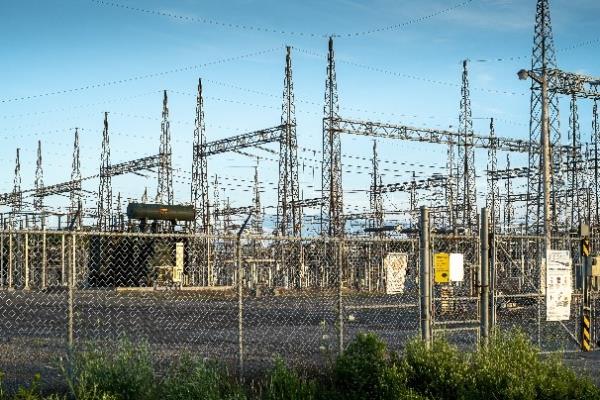
In 2024, electric thermal plants in Canada generated 225.0 million megawatt-hours (MWh) of electricity, up 2.2%, or 4.8 million MWh, from 2023.
The increase in 2024 was driven by continued strong growth in natural gas generation (+14.1%; +13.9 million MWh). This growth compensated for national declines in both coal generation (-30.9%; -6.7 million MWh) and nuclear power generation (-3.9%; -3.3 million MWh). Additionally, growing demand for electricity production across Canada and reduced generation by hydroelectricity contributed to the overall increase in thermal electricity generation.
Natural gas as a source of thermal electricity generation rose for the seventh consecutive year in 2024. In Alberta, generation grew by 10.5%, or 6.3 million MWh, largely due to planned reductions of the reliance on coal-based generation and the introduction of some new generating stations in 2024. An increase in natural gas generation was also seen in Ontario (+27.7%; +5.9 million MWh), as several large generating stations in the province increased electricity production.
New Brunswick led the decline in nuclear generation in 2024, falling by 62.8%, or 3.0 million MWh, primarily due to the Point Lepreau generating station being offline for maintenance and repairs from April to December. Nuclear generation in Ontario edged down 0.4%, or 286,700 MWh, mainly due to reactor outages during the year resulting from refurbishment.
The downturn in coal generation in 2024 was fuelled by a steep drop in Alberta (-78.2%; -7.0 million MWh), as coal continued to be replaced by other sources, including renewable energy. For more information, see the release "Electricity supply and disposition, 2024 (preliminary)," that will be released in The Daily tomorrow, Wednesday, October 22.
In New Brunswick, coal generation increased by 81.5%, or 1.1 million MWh, in 2024, which helped mitigate a reduction in nuclear generation in the province. Coal-based generation slightly increased by 2.3%, or 85,300 MWh, in Nova Scotia.
Electricity generation by petroleum products rose by 9.5%, or 268,400 MWh, in Canada in 2024. The increase was driven by offsetting movements across various provinces. The largest increase was in Quebec (+37.7%; +169,600 MWh), where diesel fuel generation rose due to reduced hydroelectric generation. New Brunswick (+16.9%; +84,900 MWh) was also up due to the shutdown of a nuclear power station resulting in an increase in heavy fuel oil generation (+17.2%; +85,800 MWh).
Nationally, natural gas, coal and uranium continued to be the main fuel sources for thermal electric generation in 2024, making up 92.4% of the total.
Note to readers
Data from 2021 to 2023 have been revised. See table 25-10-0084. Please note that tables 25-10-0017 to 25-10-0019 are now archived.
The Annual Survey of Electric Power Thermal Generating Station Fuel Consumption (EPTG) provides data on the amount of fuel consumed by thermal generating plants, the cost of the fuel consumed for electric power generation, and the amount of electricity generated from these fuels. The generation value includes generation from combustion, nuclear and waste heat sources.
The EPTG is now administered as part of Statistics Canada's Integrated Business Statistics Program (IBSP). Detailed information about the IBSP is available in the Behind the data module of the Statistics Canada website.
Visit the Energy statistics portal to find data, tools and reports to provide you with the latest information on energy in Canada.
Contact information
For more information, or to enquire about the concepts, methods or data quality of this release, contact us (toll-free 1-800-263-1136; 514-283-8300; infostats@statcan.gc.ca) or Media Relations (statcan.mediahotline-ligneinfomedias.statcan@statcan.gc.ca).