
Media
Media
Video Thumbnail
Data Science and Modern Methods Forum – June 23, 2021

Video - Data Science and Modern Methods Forum – June 23, 2021

Teaser

The Data Science and Modern Methods Forum is a virtual event series created to inform Statistics Canada employees of the department's ongoing data science projects. This highlight reel from the June 2021 forum event features some of the innovative data science projects our agency has been working on.

Media
Media
Video Thumbnail
2022 Indigenous Peoples Survey

Video - 2022 Indigenous Peoples Survey

Teaser

This video encourages participation from all who have been selected for the Indigenous Peoples Survey, running from May to October 2022, and January to March 2023.

Monthly Survey of Food Services and Drinking Places: CVs for Total Sales by Geography - March 2022

Monthly Survey of Food Services and Drinking Places: CVs for Total Sales by Geography - March 2022
Table summary
This table displays the results of CVs for Total sales by Geography. The information is grouped by Geography (appearing as row headers), Month and percentage (appearing as column headers).
Geography Month
202103 202104 202105 202106 202107 202108 202109 202110 202111 202112 202201 202202 202203
percentage
Canada 0.47 0.70 0.70 1.00 3.40 0.43 0.16 0.19 0.18 0.15 0.68 0.67 0.98
Newfoundland and Labrador 1.87 2.01 3.35 0.36 0.45 0.45 0.47 0.52 0.52 0.57 0.98 2.09 1.75
Prince Edward Island 0.75 16.43 0.84 0.68 0.64 0.58 2.75 7.74 7.11 4.93 8.04 10.78 10.51
Nova Scotia 0.83 2.96 3.07 0.85 0.36 0.27 0.30 0.38 0.38 1.13 0.93 0.75 0.91
New Brunswick 0.33 1.01 1.73 0.39 0.42 0.36 0.52 0.49 0.53 1.69 8.61 15.21 1.02
Quebec 1.17 1.08 1.95 3.60 16.19 0.65 0.53 0.59 0.51 0.27 2.15 1.40 2.17
Ontario 0.98 1.45 1.13 1.80 1.16 0.87 0.23 0.25 0.31 0.20 1.19 0.34 1.46
Manitoba 0.38 1.14 2.61 0.62 0.68 0.33 0.35 0.68 0.78 0.50 4.84 0.70 0.82
Saskatchewan 0.38 1.11 0.84 0.55 10.60 0.89 0.76 1.51 1.22 0.74 1.38 1.28 1.39
Alberta 0.80 1.40 2.37 0.44 2.27 0.64 0.37 0.45 0.36 0.74 1.23 2.86 3.01
British Columbia 0.97 1.87 1.43 0.78 1.64 0.32 0.32 0.41 0.33 0.27 1.16 1.99 3.10
Yukon Territory 2.30 64.50 2.58 1.50 2.66 4.71 1.91 2.96 19.04 12.40 2.59 2.44 2.39
Northwest Territories 2.46 72.86 2.96 1.42 2.81 5.63 2.14 3.33 24.74 4.96 3.70 3.26 3.24
Nunavut 2.42 3.43 4.33 1.20 72.94 2.71 3.48 5.52 3.56 2.53 0.65 0.75 0.55

Time use diary information and instructions

Have you received an invitation to participate in the Time Use Survey? On this page, you will find information about the 24-hour time use diary, which is the main focus of the survey. Watch the three videos below to get an overview of the diary, to learn how to report simultaneous activities (doing two or more things at the same time), and to learn how to report travel activities.

How does the diary work and what questions are asked?

This video is a tool for respondents who have been selected for the Time Use Survey 2022, and explores how to complete the time diary.

What if I was doing more than one activity at the same time?

This video explores how to report simultaneous activities within the time diary of the Time Use Survey 2022.

How to report travel activities?

This video explores what to do if a travel edit is triggered while completing the time diary of the Time Use Survey 2022.

Why does Statistics Canada need so much detail about my day?

Time use data are used to identify which percentage of Canadians have participated in a given activity, regardless of the length of time it takes. Taking fifteen minutes to help an elderly neighbor with housework may not seem like a significant part of your day because it is a quick, one-time activity, but collecting this information helps identify the percentage of Canadians who provide informal help. It is important to include all these small activities in your time use diary.

What time period does the diary cover?

You will be asked to account for a 24-hour period in the diary portion of the survey. The 24-hour period starts at 4:00 am and ends at 4:00 the next morning. After completing the diary, you will be asked a few more questions about your day and your use of time.

Can I choose which day to report?

No, please report for the day indicated in your invitation. Even if you think a different day is more interesting, it is important that you indicate the activities you did on your requested day. Time use trends vary between different days (e.g., a Wednesday often looks very different than a Sunday). In order for the data to accurately portray how Canadians spend their time, Statistics Canada assigns specific days to the respondents in order to ensure an even distribution of responses on each day.

What if my assigned reference day is not a good representation of my usual routine?

Respondents are asked to report on days that might not always be a good representation of their average day, either due to short-term illness, vacation, or some other event. Although it might seem unrepresentative of a typical day, the information is still very useful.

Will the survey ask about specific personal or private activities?

Data collected from the Time Use Survey are grouped into several broad categories. While you may participate in some private or personal activities during your diary day, you will not be asked to disclose the specific details. For example, activities like taking a shower, brushing teeth or hair, getting dressed, meditating and sexual activities are all reported as « Personal care ». Statistics Canada always applies strict measures to protect the confidentiality of your information and the respect of your privacy.

The survey is not a way for the government to learn about you as an individual.

The data will be used to understand how Canadians as a whole (or by province, age, gender, visible minority status, etc.) use their time. Your responses will always be confidential. For more information on how Statistics Canada protects your data, visit our Trust Centre.

Reference data as a Service (RDaaS) - API User Guide

Statistical Registers and Metadata Division

Table of contents

Revision history

Revision history
Date Version Revision details
November 14, 2024 2.3
  • Corrections to documentation
August 16, 2024 2.2
  • Corrections to documentation
August 15, 2024 2.1
  • Add Index endpoints
July 5, 2024 2.0
  • Remove API key requirement
  • New URL
June 1, 2022 1.0
  • First release of RDaaS User Guide

Purpose of Document

The purpose of this document is to provide users with a guide to the Reference Data as a Service (RDaaS).

Summary

The Reference Data as a Service (RDaaS) is a list of codesets, classifications and concordances that are used within Statistics Canada and shared to help harmonise data for better interdepartmental data integration and analysis. This RDaaS initiative is meant to share Statistics Canada's reference data with everyone that would like to facilitate & harmonise data for analysis between Government of Canada and its data partners.

Access and availability

The Application Programming Interface (API) is accessible to the public. In general, the API is expected to be available 24/7 except during system updates.

The base Universal Resource Locator (URL) of the API is at:

https://api.statcan.gc.ca/rdaas

Technology

Hyper Text Transfer Protocol Secure (HTTPS) is a standard way of communicating across the Web and includes methods such as GET and POST used with the web service.

The implementation is a RESTful (built using representational state transfer [REST] architecture) web data service over HTTPS protocol, which will return data in JSON (JavaScript Object Notation) language.

REST is an architectural style that specifies constraints, such as the uniform interface, that if applied to a web service induce desirable properties, such as performance, scalability and modifiability, which enable services to work best on the Web.

Definitions

These Application Programming Interface (API) will give you full list of codesets in the language asked. Here are the classifications and codesets that are getting included and available for general consumptions: Definitions, data sources and methods (statcan.gc.ca). An example of a classification you can find is Gender where you will be able to download through this API the following information: Classification of gender (statcan.gc.ca).

Application Programming Interface (API) methods and examples:

We list numerous types of methods for the Application Programming Interface (API) here:

Search

RDaaS search functionality provides users with the ability to search for the resources they are looking for based on a variety of parameters. Each type of resource will have an endpoint where the actual search is performed, along with the potential for supplemental endpoints that can be used to retrieve user specific parameters to use in the search. These parameters may change based on the user's role.

Search classifications

Searches and filters classifications. Text searching is applied to the classification names and and descriptions. The applicable filters can be found from the get classification search filters method. This search supports paging, and a offset and limit can be specified.

Search classifications - more information

HTTP request method: GET

Relative URL:  /search/classifications

Parameters:

Name
Description
limit
integer
(query)
the number of results to return; optional, 10 by default, 500 maximum
Default value: 10
q
string
(query)
the search text; optional, omit to search all
start
integer
(query)
the start position for the results returned; optional, 0 (start at first result) by default
Default value: 0
audience
string
(query)
A parameter can be repeated to filter on more than one value at a time.
Note that the values shown here may not be available to all users. See the corresponding /filters method for this to determine which filter values are applicable to you.
Available values: PUBLIC, INTERNAL, SYSTEM, IATD
status
string
(query)
A parameter can be repeated to filter on more than one value at a time.
Note that the values shown here may not be available to all users. See the corresponding /filters method for this to determine which filter values are applicable to you.
Available values: DEFINED, VERIFIED, PENDING, APPROVED, RELEASED, WITHDRAWN, RETIRED, ARCHIVED

Response Code:

Http Status Code Description
200 Classifications retrieved successfully.

Example:
This call will return the first 10 classifications available where you can find the id to be used in other calls.

Call:
https://api.statcan.gc.ca/rdaas/search/classifications?limit=10

Results:

{
"results": {
"@context": "https://api.statcan.gc.ca/rdaas/context/classification-search",
"@graph": [
{
"@id": "https://api.statcan.gc.ca/rdaas/classification/UT1MXA1jXY1fUpI5",
"name": "Accommodations of collective dwellings",
"abbreviation": null,
"versionNumber": "1.0.0",
"audience": "STANDARDS",
"status": "RELEASED",
"lastUpdated": "2022-05-02T12:36:44Z",
"validFrom": "2017-03-20T04:00:00Z",
"codeCount": 15,
"levelCount": 2,
"classificationSeries": "https://api.statcan.gc.ca/rdaas/classification-series/O9Kepe4bA1syfqYh"
},
{
"@id": "https://api.statcan.gc.ca/rdaas/classification/E16EWiM6ykmPDq4k",
"name": "Accommodations of collective dwellings - Collapsed classification",
"abbreviation": null,
"versionNumber": "1.0.0",
"audience": "STANDARDS",
"status": "RELEASED",
"lastUpdated": "2022-05-02T12:36:50Z",
"validFrom": "2017-03-20T04:00:00Z",
"codeCount": 6,
"levelCount": 1,
"classificationSeries": "https://api.statcan.gc.ca/rdaas/classification-series/Kg860zM75ZI07dvh"
},
{
"@id": "https://api.statcan.gc.ca/rdaas/classification/P1PiDASifm2o9oHQ",
"name": "Admission category",
"abbreviation": null,
"versionNumber": "1.0.0",
"audience": "STANDARDS",
"status": "RELEASED",
"lastUpdated": "2024-01-09T16:15:28Z",
"validFrom": "2023-10-10T04:00:00Z",
"codeCount": 40,
"levelCount": 4,
"classificationSeries": "https://api.statcan.gc.ca/rdaas/classification-series/cDazrF4xtw6CMPzK"
},
{
"@id": "https://api.statcan.gc.ca/rdaas/classification/jar887g7uV1OQYov",
"name": "After-tax income",
"abbreviation": null,
"versionNumber": "1.0.0",
"audience": "STANDARDS",
"status": "RELEASED",
"lastUpdated": "2024-05-27T17:33:53Z",
"validFrom": "2016-03-21T04:00:00Z",
"codeCount": 27,
"levelCount": 2,
"classificationSeries": "https://api.statcan.gc.ca/rdaas/classification-series/Q85DCmZ2MYZdcqyo"
},
{
"@id": "https://api.statcan.gc.ca/rdaas/classification/Gnka5DWGAyFWxnLT",
"name": "After-tax income of person",
"abbreviation": null,
"versionNumber": "2.0.0",
"audience": "STANDARDS",
"status": "RELEASED",
"lastUpdated": "2022-09-28T10:53:46Z",
"validFrom": "2016-03-21T04:00:00Z",
"codeCount": 27,
"levelCount": 3,
"classificationSeries": "https://api.statcan.gc.ca/rdaas/classification-series/AJczsftMQ9bhxv1p"
},
{
"@id": "https://api.statcan.gc.ca/rdaas/classification/z003kOtktxHvwlqs",
"name": "Age categories by five-year age groups",
"abbreviation": null,
"versionNumber": "1.0.0",
"audience": "STANDARDS",
"status": "RELEASED",
"lastUpdated": "2022-08-12T15:48:17Z",
"validFrom": "2007-05-22T04:00:00Z",
"codeCount": 21,
"levelCount": 1,
"classificationSeries": "https://api.statcan.gc.ca/rdaas/classification-series/frUSfEXyon94IaZk"
},
{
"@id": "https://api.statcan.gc.ca/rdaas/classification/qeneaaD0bcvKzkhu",
"name": "Agricultural Regions - Variant of SGC",
"abbreviation": null,
"versionNumber": "2016.1.0",
"audience": "STANDARDS",
"status": "RELEASED",
"lastUpdated": "2023-05-05T18:04:27Z",
"validFrom": "2016-05-16T04:00:00Z",
"codeCount": 7314,
"levelCount": 6,
"classificationSeries": "https://api.statcan.gc.ca/rdaas/classification-series/gigntSkqxTSeHjlm"
},
{
"@id": "https://api.statcan.gc.ca/rdaas/classification/DhkqJv2iI2ebZju8",
"name": "Apprenticeship certificates",
"abbreviation": null,
"versionNumber": "1.0.0",
"audience": "STANDARDS",
"status": "RELEASED",
"lastUpdated": "2024-01-08T18:53:28Z",
"validFrom": "2021-05-26T04:00:00Z",
"codeCount": 2,
"levelCount": 1,
"classificationSeries": "https://api.statcan.gc.ca/rdaas/classification-series/FvNfg3B25APRSxH4"
},
{
"@id": "https://api.statcan.gc.ca/rdaas/classification/WNtEKGZu4qIJx3Oz",
"name": "Canadian citizenship status",
"abbreviation": null,
"versionNumber": "1.0.0",
"audience": "STANDARDS",
"status": "RELEASED",
"lastUpdated": "2022-05-02T13:18:45Z",
"validFrom": "2011-04-18T04:00:00Z",
"codeCount": 2,
"levelCount": 1,
"classificationSeries": "https://api.statcan.gc.ca/rdaas/classification-series/tXaph1UBAf4x5ZwD"
},
{
"@id": "https://api.statcan.gc.ca/rdaas/classification/t4QLjaKVS4JX6CGV",
"name": "Canadian Classification of Institutional Units and Sectors",
"abbreviation": "CCIUS",
"versionNumber": "2012.1.0",
"audience": "STANDARDS",
"status": "RELEASED",
"lastUpdated": "2022-05-02T13:37:16Z",
"validFrom": "2015-06-15T04:00:00Z",
"codeCount": 171,
"levelCount": 6,
"classificationSeries": "https://api.statcan.gc.ca/rdaas/classification-series/zQevgSms7fLn6Yie"
}
]
},
"found": 2395,
"start": 0,
"limit": 10,
"facets": {
"status": {
"RELEASED": 1882,
"RETIRED": 487,
"ARCHIVED": 26
},
"audience": {
"NON_STANDARDIZED": 1912,
"STANDARDS": 483
}
}
}

Classification search filters

This will return a list of filters and the values that can be used on them when searching for classifications. The can be used as query parameters on any search request. For example, if the there is a filter named "bank" with values "A", "B", and "C", query parameters can be added to any search request to filter the results based on these values. For instance, to filter on "bank" "A" and "B", one could append ?bank=A&bank=B to the query url. It is worth noting that these filers will also be included as facet counts in all search results.

Classification search filters - more information

HTTP request method: GET

Relative URL:  /search/classifications/filters

Parameters:
None

Response Code:

Http Status Code Description
200 Classifications retrieved successfully.

Example:
This call will return a list a classification filters that can be used in other calls.

Call:
https://api.statcan.gc.ca/rdaas/search/classifications/filters

Results:

[ {
"parameter" : "status",
"values" : [ "RELEASED", "RETIRED", "ARCHIVED" ]
}, {
"parameter" : "audience",
"values" : [ "STANDARDS", "NON_STANDARDIZED" ]
} ]

Search concordances

Searches and filters concordances. Text searching is applied to the concordance names and and descriptions. The applicable filters can be found from the get concordance search filters method. This search supports paging, and an offset and limit can be specified.

Search concordances - more information

HTTP request method: GET

Relative URL:  /search/concordances

Parameters:

Name
Description
limit
integer
(query)
the number of results to return; optional, 10 by default, 500 maximum
Default value: 10
q
string
(query)
the search text; optional, omit to search all
start
integer
(query)
the start position for the results returned; optional, 0 (start at first result) by default
Default value: 0
audience
string
(query)
A parameter can be repeated to filter on more than one value at a time.
Note that the values shown here may not be available to all users. See the corresponding /filters method for this to determine which filter values are applicable to you.
Available values: PUBLIC, INTERNAL, SYSTEM, IATD
status
string
(query)
A parameter can be repeated to filter on more than one value at a time.
Note that the values shown here may not be available to all users. See the corresponding /filters method for this to determine which filter values are applicable to you.
Available values: DEFINED, VERIFIED, PENDING, APPROVED, RELEASED, WITHDRAWN, RETIRED, ARCHIVED

Response Code:

Http Status Code Description
200 Concordances retrieved successfully.

Example:
This call will return the first 10 concordances available where you can use the id for other calls.

Call:
https://api.statcan.gc.ca/rdaas/search/concordances?limit=10

Results:

{
"results" : {
"@context" : "https://api.statcan.gc.ca/rdaas/context/concordance-search",
"@graph" : [ {
"@id" : "https://api.statcan.gc.ca/rdaas/concordance/OjYqoufLb12yRhrq",
"name" : "National Occupational Classification V2016.1.0 to V2016.1.1",
"versionNumber" : "1.0.0",
"audience" : "STANDARDS",
"status" : "RELEASED",
"lastUpdated" : "2022-05-03T13:18:49Z",
"source" : "https://api.statcan.gc.ca/rdaas/classification/g8CZeIwUhswtL0Mi",
"source_name" : "National Occupational Classification",
"sourceVersionNumber" : "2016.1.0",
"target" : "https://api.statcan.gc.ca/rdaas/classification/QqdPX82Lk5bKqPul",
"target_name" : "National Occupational Classification",
"targetVersionNumber" : "2016.1.1"
}, {
"@id" : "https://api.statcan.gc.ca/rdaas/concordance/a2bMQbmThySaqbHO",
"name" : "National Occupational Classification V2016.1.1 to V2016.1.2",
"versionNumber" : "1.0.0",
"audience" : "STANDARDS",
"status" : "RELEASED",
"lastUpdated" : "2022-05-03T13:22:23Z",
"source" : "https://api.statcan.gc.ca/rdaas/classification/QqdPX82Lk5bKqPul",
"source_name" : "National Occupational Classification",
"sourceVersionNumber" : "2016.1.1",
"target" : "https://api.statcan.gc.ca/rdaas/classification/rrIXoQv2XQY7aKLJ",
"target_name" : "National Occupational Classification",
"targetVersionNumber" : "2016.1.2"
}, {
"@id" : "https://api.statcan.gc.ca/rdaas/concordance/HGJTm7VMSMhwsYEk",
"name" : "National Occupational Classification V2016.1.2 to V2016.1.3",
"versionNumber" : "1.0.0",
"audience" : "STANDARDS",
"status" : "RELEASED",
"lastUpdated" : "2022-05-03T13:26:06Z",
"source" : "https://api.statcan.gc.ca/rdaas/classification/rrIXoQv2XQY7aKLJ",
"source_name" : "National Occupational Classification",
"sourceVersionNumber" : "2016.1.2",
"target" : "https://api.statcan.gc.ca/rdaas/classification/pkba22EgXl2c7apI",
"target_name" : "National Occupational Classification",
"targetVersionNumber" : "2016.1.3"
}, {
"@id" : "https://api.statcan.gc.ca/rdaas/concordance/Xu7sVCPbxydMH0E2",
"name" : "North American Industry Classification System - Canada V2007.1.0 to V2012.1.0",
"versionNumber" : "1.0.0",
"audience" : "STANDARDS",
"status" : "RELEASED",
"lastUpdated" : "2023-05-30T18:14:40Z",
"source" : "https://api.statcan.gc.ca/rdaas/classification/rJcCKBjOKGOIe05K",
"source_name" : "North American Industry Classification System - Canada",
"sourceVersionNumber" : "2007.1.0",
"target" : "https://api.statcan.gc.ca/rdaas/classification/P4nBWMtGTR97i4aA",
"target_name" : "North American Industry Classification System - Canada",
"targetVersionNumber" : "2012.1.0"
}, {
"@id" : "https://api.statcan.gc.ca/rdaas/concordance/wyFGyCucaNxZn1vl",
"name" : "North American Industry Classification System - Canada V2012.1.0 to V2017.1.0",
"versionNumber" : "1.0.0",
"audience" : "STANDARDS",
"status" : "RELEASED",
"lastUpdated" : "2022-05-03T13:39:24Z",
"source" : "https://api.statcan.gc.ca/rdaas/classification/P4nBWMtGTR97i4aA",
"source_name" : "North American Industry Classification System - Canada",
"sourceVersionNumber" : "2012.1.0",
"target" : "https://api.statcan.gc.ca/rdaas/classification/TGLFzrGej7kGOzM0",
"target_name" : "North American Industry Classification System - Canada",
"targetVersionNumber" : "2017.1.0"
}, {
"@id" : "https://api.statcan.gc.ca/rdaas/concordance/gjBOiUvngK15MZg2",
"name" : "North American Industry Classification System - Canada V2017.1.0 to V2017.2.0",
"versionNumber" : "1.0.0",
"audience" : "STANDARDS",
"status" : "RELEASED",
"lastUpdated" : "2022-05-03T13:41:40Z",
"source" : "https://api.statcan.gc.ca/rdaas/classification/TGLFzrGej7kGOzM0",
"source_name" : "North American Industry Classification System - Canada",
"sourceVersionNumber" : "2017.1.0",
"target" : "https://api.statcan.gc.ca/rdaas/classification/bDiwaJL3bjdeZ8TS",
"target_name" : "North American Industry Classification System - Canada",
"targetVersionNumber" : "2017.2.0"
}, {
"@id" : "https://api.statcan.gc.ca/rdaas/concordance/qzUQ47PtPMkqPZHj",
"name" : "North American Industry Classification System - Canada V2017.2.0 to V2017.3.0",
"versionNumber" : "1.0.0",
"audience" : "STANDARDS",
"status" : "RELEASED",
"lastUpdated" : "2022-05-03T13:44:03Z",
"source" : "https://api.statcan.gc.ca/rdaas/classification/bDiwaJL3bjdeZ8TS",
"source_name" : "North American Industry Classification System - Canada",
"sourceVersionNumber" : "2017.2.0",
"target" : "https://api.statcan.gc.ca/rdaas/classification/S049Pjk4RIUgw6j2",
"target_name" : "North American Industry Classification System - Canada",
"targetVersionNumber" : "2017.3.0"
}, {
"@id" : "https://api.statcan.gc.ca/rdaas/concordance/qEwaBpiTQKKzeGIp",
"name" : "North American Product Classification System - Canada V2012.1.0 to V2012.1.1",
"versionNumber" : "1.0.0",
"audience" : "STANDARDS",
"status" : "RELEASED",
"lastUpdated" : "2022-05-02T18:57:46Z",
"source" : "https://api.statcan.gc.ca/rdaas/classification/X8l4KOP2cmhJzwSH",
"source_name" : "North American Product Classification System - Canada",
"sourceVersionNumber" : "2012.1.0",
"target" : "https://api.statcan.gc.ca/rdaas/classification/oIHxzqfQiLHk9vMc",
"target_name" : "North American Product Classification System - Canada",
"targetVersionNumber" : "2012.1.1"
}, {
"@id" : "https://api.statcan.gc.ca/rdaas/concordance/UKa2VvehQUt1ZKVt",
"name" : "North American Product Classification System - Canada V2012.1.1 to V2012.1.2",
"versionNumber" : "1.0.0",
"audience" : "STANDARDS",
"status" : "RELEASED",
"lastUpdated" : "2022-05-02T19:07:08Z",
"source" : "https://api.statcan.gc.ca/rdaas/classification/oIHxzqfQiLHk9vMc",
"source_name" : "North American Product Classification System - Canada",
"sourceVersionNumber" : "2012.1.1",
"target" : "https://api.statcan.gc.ca/rdaas/classification/iXY2lQJFVTLMAYK2",
"target_name" : "North American Product Classification System - Canada",
"targetVersionNumber" : "2012.1.2"
}, {
"@id" : "https://api.statcan.gc.ca/rdaas/concordance/IFg2ANyUAkAB4hcW",
"name" : "North American Product Classification System - Canada V2012.1.2 to V2017.1.0",
"versionNumber" : "1.0.0",
"audience" : "STANDARDS",
"status" : "RELEASED",
"lastUpdated" : "2022-05-02T19:09:49Z",
"source" : "https://api.statcan.gc.ca/rdaas/classification/iXY2lQJFVTLMAYK2",
"source_name" : "North American Product Classification System - Canada",
"sourceVersionNumber" : "2012.1.2",
"target" : "https://api.statcan.gc.ca/rdaas/classification/FojCXY7J9UDmynZZ",
"target_name" : "North American Product Classification System - Canada",
"targetVersionNumber" : "2017.1.0"
} ]
},
"found" : 1200,
"start" : 0,
"limit" : 10,
"facets" : {
"status" : {
"RETIRED" : 1150,
"RELEASED" : 48,
"ARCHIVED" : 2
},
"audience" : {
"NON_STANDARDIZED" : 1183,
"STANDARDS" : 17
}
}
}

Concordance search filters

This will return a list of filters and the values that can be used on them when searching for concordances. The can be used as query parameters on any search request. For example, if the there is a filter named "bank" with values "A", "B", and "C", query parameters can be added to any search request to filter the results based on these values. For instance, to filter on "bank" "A" and "B", one could append ?bank=A&bank=B to the query url. It is worth noting that these filers will also be included as facet counts in all search results.

Concordance search filters - more information

HTTP request method: GET

Relative URL:  /search/concordances/filters

Parameters:
None

Response Code:

Http Status Code Description
200 Concordances retrieved successfully.

Example:
This call will return the list of filters available to be used in other calls.

Call:
https://api.statcan.gc.ca/rdaas/search/concordances/filters

Results:

[ {
"parameter" : "status",
"values" : [ "RELEASED", "RETIRED", "ARCHIVED" ]
}, {
"parameter" : "audience",
"values" : [ "STANDARDS", "NON_STANDARDIZED" ]
} ]

Classifications-codesets

Generally a statistical classification is a way to group a set of related categories in a meaningful, systematic, and standard format. The statistical classification is usually exhaustive, has mutually exclusive and well-described categories, and has either a hierarchical or a flat structure. A statistical classification usually contains codes and descriptors.

This section contains requests that provide information about classifications, their levels and codes, and changes across versions. These resources are available themselves in several different views (typically detailed and summary) along with a few utilities that are designed to provide users with answers to specific questions they may have without requiring them to dig through all the information themselves.

Codes / Categories

Codes are an alphanumeric or numeric value that is associated with a Category. Codes are organized in a classification by levels. In a flat classification there will be a single level that contains all the codes. In a hierarchical classification codes that are stored on the higher levels will be broader while those stored on the lower levels will be more specific refinements of their parents.

Classification detail

Provides detailed information about the specified classification. This includes descriptive information about the classification, version information, levels, and all codes arranged in order and hierarchically (if applicable).

Classification detail - more information

HTTP request method: GET

Relative URL:  /classification/{id}

Parameters:

Name
Description
id *
string
(path)
Identifier of the classification.
lang
string
(query)
The internationalization language tags to request content in specific language(s). These can be comma separated. For example, "lang=en, fr-ca" See /api/i18n/tags under InternationalizationController for more details about language support.
Example: en
method
string
(query)
The internationalization serialization method to use. See /api/i18n/methods under InternationalizationController for more details about language support.
Available values: SINGLE, PROPERTY, ARRAY, CONTAINER
Example: SINGLE

Response Code:

Http Status Code Description
200 Classification retrieved successfully.

Example:
This call will return all information available for the gender classification (lQA3IRH1ER3KXwrJ).

Call:
https://api.statcan.gc.ca/rdaas/classification/lQA3IRH1ER3KXwrJ

Results:

{
"@context" : [ {
"id" : "https://api.statcan.gc.ca/rdaas/model/property/uri/mtna.us/model/core/properties/_/id",
"name" : "https://api.statcan.gc.ca/rdaas/model/property/uri/mtna.us/model/core/properties/_/name",
"abbreviation" : "https://api.statcan.gc.ca/rdaas/model/property/uri/mtna.us/model/core/properties/_/name/~/type=abbreviation",
"audience" : "https://api.statcan.gc.ca/rdaas/model/property/path/audience",
"status" : "https://api.statcan.gc.ca/rdaas/model/property/path/lifecycle/status",
"lastUpdated" : {
"@id" : "https://api.statcan.gc.ca/rdaas/model/property/uri/mtna.us/model/core/administrative/properties/_/administrativeLastUpdate",
"@type" : "http://www.w3.org/2001/XMLSchema#dateTime"
},
"description" : "https://api.statcan.gc.ca/rdaas/model/property/uri/mtna.us/model/core/properties/_/description/~/type=background",
"versionName" : "https://api.statcan.gc.ca/rdaas/model/property/path/version/name",
"validFrom" : {
"@id" : "https://api.statcan.gc.ca/rdaas/model/property/uri/mtna.us/model/core/properties/_/validFromDate",
"@type" : "http://www.w3.org/2001/XMLSchema#dateTime"
},
"validTo" : {
"@id" : "https://api.statcan.gc.ca/rdaas/model/property/uri/mtna.us/model/core/properties/_/validToDate",
"@type" : "http://www.w3.org/2001/XMLSchema#dateTime"
},
"levels" : {
"@id" : "https://api.statcan.gc.ca/rdaas/model/property/uri/mtna.us/model/core/administrative/properties/_/includes/~/inclusionRole=defines/type=level",
"@context" : [ {
"levelDepth" : "https://api.statcan.gc.ca/rdaas/model/property/uri/mtna.us/model/core/classification/properties/_/levelNumber",
"name" : "https://api.statcan.gc.ca/rdaas/model/property/uri/mtna.us/model/core/properties/_/name",
"codeCount" : "https://api.statcan.gc.ca/rdaas/model/property/count/codes"
}, {
"@language" : "en"
} ]
},
"codes" : {
"@id" : "https://api.statcan.gc.ca/rdaas/model/property/uri/mtna.us/model/core/classification/properties/_/rootCode",
"@context" : [ {
"code" : "https://api.statcan.gc.ca/rdaas/model/property/uri/mtna.us/model/core/classification/properties/_/codeValue",
"validFrom" : {
"@id" : "https://api.statcan.gc.ca/rdaas/model/property/uri/mtna.us/model/core/properties/_/validFromDate",
"@type" : "http://www.w3.org/2001/XMLSchema#dateTime"
},
"validTo" : {
"@id" : "https://api.statcan.gc.ca/rdaas/model/property/uri/mtna.us/model/core/properties/_/validToDate",
"@type" : "http://www.w3.org/2001/XMLSchema#dateTime"
},
"descriptor" : "https://api.statcan.gc.ca/rdaas/model/property/uri/mtna.us/model/core/properties/_/name",
"definition" : "https://api.statcan.gc.ca/rdaas/model/property/uri/mtna.us/model/core/properties/_/description/~/type=definition",
"children" : "https://api.statcan.gc.ca/rdaas/model/property/uri/mtna.us/model/core/properties/_/child"
}, {
"@language" : "en"
} ]
}
}, {
"@language" : "en"
} ],
"@id" : "https://api.statcan.gc.ca/rdaas/classification/lQA3IRH1ER3KXwrJ",
"name" : "Sex at birth",
"audience" : "Standardized",
"status" : "Released",
"lastUpdated" : "2023-03-27T11:49:44.205Z",
"description" : "<br /><p><strong>Status: </strong>This standard was approved as a <a href=\"https://www.statcan.gc.ca/eng/subjects/standard/napcs/notice/compulsory\" rel=\"nofollow\">departmental standard</a> on October 1, 2021.</p><p>Information on sex at birth may be based on self-reported data or reported by proxy depending on the statistical program. Therefore, the expression 'reported sex at birth' is used in these definitions when referring to self-reported data and answers reported by proxy.</p>",
"versionName" : "V1.0.0",
"validFrom" : "2021-10-01T00:00:00-04:00",
"levels" : [ {
"@id" : "https://api.statcan.gc.ca/rdaas/level/XV0o7C1uTxhWxZI5",
"levelDepth" : 1,
"name" : "Category",
"codeCount" : 2
} ],
"codes" : [ {
"@id" : "https://api.statcan.gc.ca/rdaas/code/vobFEu0ZvMjIOxsH",
"code" : "1",
"descriptor" : "Male",
"definition" : "This category includes persons whose reported sex at birth is male."
}, {
"@id" : "https://api.statcan.gc.ca/rdaas/code/cFJZgJBj8RFFpFJE",
"code" : "2",
"descriptor" : "Female",
"definition" : "This category includes persons whose reported sex at birth is female."
} ]
}

Classification Categories

Returns all categories at all levels of the classification as a flat list. If the classification is hierarchical, the categories here will not be presented in their hierarchy.

Classification Categories - more information

HTTP request method: GET

Relative URL:  /classification/{id}/categories

Parameters:

Name
Description
id *
string
(path)
Identifier of the classification version.
lang
string
(query)
The internationalization language tags to request content in specific language(s). These can be comma separated. For example, "lang=en, fr-ca" See /api/i18n/tags under InternationalizationController for more details about language support.
Example: en
method
string
(query)
The internationalization serialization method to use. See /api/i18n/methods under InternationalizationController for more details about language support.
Available values: SINGLE, PROPERTY, ARRAY, CONTAINER
Example: SINGLE

Response Code:

Http Status Code Description
200 Classification categories retrieved successfully.
404 Classification not found.

Example:
This call will return the gender classification (lQA3IRH1ER3KXwrJ) categories available.

Call:
https://api.statcan.gc.ca/rdaas/classification/lQA3IRH1ER3KXwrJ/categories

Results:

{
"@context" : [ {
"code" : "https://api.statcan.gc.ca/rdaas/model/property/uri/mtna.us/model/core/classification/properties/_/codeValue",
"validFrom" : {
"@id" : "https://api.statcan.gc.ca/rdaas/model/property/uri/mtna.us/model/core/properties/_/validFromDate",
"@type" : "http://www.w3.org/2001/XMLSchema#dateTime"
},
"validTo" : {
"@id" : "https://api.statcan.gc.ca/rdaas/model/property/uri/mtna.us/model/core/properties/_/validToDate",
"@type" : "http://www.w3.org/2001/XMLSchema#dateTime"
},
"descriptor" : "https://api.statcan.gc.ca/rdaas/model/property/uri/mtna.us/model/core/properties/_/name",
"definition" : "https://api.statcan.gc.ca/rdaas/model/property/uri/mtna.us/model/core/properties/_/description/~/type=definition",
"levelDepth" : "https://api.statcan.gc.ca/rdaas/model/property/path/code/level/number"
}, {
"@language" : "en"
} ],
"@graph" : [ {
"@id" : "https://api.statcan.gc.ca/rdaas/code/vobFEu0ZvMjIOxsH",
"code" : "1",
"descriptor" : "Male",
"definition" : "This category includes persons whose reported sex at birth is male.",
"levelDepth" : 1
}, {
"@id" : "https://api.statcan.gc.ca/rdaas/code/cFJZgJBj8RFFpFJE",
"code" : "2",
"descriptor" : "Female",
"definition" : "This category includes persons whose reported sex at birth is female.",
"levelDepth" : 1
} ]
}

Classification Categories detailed

Returns the most detailed categories of the classification. These are the categories without any sub-categories. In most hierarchical classifications, these will be the categories from the lowest level. However, in a ragged classification these categories may exist at any level.

Classification Categories detailed - more information

HTTP request method: GET

Relative URL:  /classification/{id}/categories/detailed

Parameters:

Name
Description
id *
string
(path)
Identifier of the classification.
lang
string
(query)
The internationalization language tags to request content in specific language(s). These can be comma separated. For example, "lang=en, fr-ca" See /api/i18n/tags under InternationalizationController for more details about language support.
Example: en
method
string
(query)
The internationalization serialization method to use. See /api/i18n/methods under InternationalizationController for more details about language support.
Available values: SINGLE, PROPERTY, ARRAY, CONTAINER
Example: SINGLE

Response Code:

Http Status Code Description
200 Classification categories retrieved successfully.
404 Classification not found.

Example:
This call will return the gender classification (lQA3IRH1ER3KXwrJ) categories details available.

Call:
https://api.statcan.gc.ca/rdaas/classification/lQA3IRH1ER3KXwrJ/categories/detailed

Results:

{
"@context" : [ {
"code" : "https://api.statcan.gc.ca/rdaas/model/property/uri/mtna.us/model/core/classification/properties/_/codeValue",
"validFrom" : {
"@id" : "https://api.statcan.gc.ca/rdaas/model/property/uri/mtna.us/model/core/properties/_/validFromDate",
"@type" : "http://www.w3.org/2001/XMLSchema#dateTime"
},
"validTo" : {
"@id" : "https://api.statcan.gc.ca/rdaas/model/property/uri/mtna.us/model/core/properties/_/validToDate",
"@type" : "http://www.w3.org/2001/XMLSchema#dateTime"
},
"descriptor" : "https://api.statcan.gc.ca/rdaas/model/property/uri/mtna.us/model/core/properties/_/name",
"definition" : "https://api.statcan.gc.ca/rdaas/model/property/uri/mtna.us/model/core/properties/_/description/~/type=definition",
"levelDepth" : "https://api.statcan.gc.ca/rdaas/model/property/path/code/level/number"
}, {
"@language" : "en"
} ],
"@graph" : [ {
"@id" : "https://api.statcan.gc.ca/rdaas/code/vobFEu0ZvMjIOxsH",
"code" : "1",
"descriptor" : "Male",
"definition" : "This category includes persons whose reported sex at birth is male.",
"levelDepth" : 1
}, {
"@id" : "https://api.statcan.gc.ca/rdaas/code/cFJZgJBj8RFFpFJE",
"code" : "2",
"descriptor" : "Female",
"definition" : "This category includes persons whose reported sex at birth is female.",
"levelDepth" : 1
} ]
}

Indices

Index entries are formal definitions and further refinements of categories that fall under a particular code. These are not defined as codes in a classification, but are more informational to specify which terms are included in a particular code that is defined. They can also specify codes as explicit exclusions, indicating that they should not be considered as a value related to that code. This information can be used to help users determine what code their specific category falls under.

All Indices

Returns the details of all index entries for a classification as an array called @graph. An empty @graph array means the classification was found, but the classification does not have any indices.

All Indices - more information

HTTP request method: GET

URL: /api/classification/{id}/indexes

Parameters:

Name Mandatory Data Type Parameter Type (path/query) Description
id Yes string path Identifier of the classification.

Response Code:

Http Status Code Description
200 Index entries retrieved successfully.
404 Classification not found.

Example:
This call will return the details of all the index entries for a classification with id=owrgkARZ8Omww7qX.

Call:
https://api.statcan.gc.ca/rdaas/classification/owrgkARZ8Omww7qX/indexes

Results:

{
  "@context": [
    {
      "indexId": "https://api.statcan.gc.ca/rdaas/model/property/uri/mtna.us/model/core/properties/_/id",
      "illustrativeExamples": "https://api.statcan.gc.ca/rdaas/model/property/uri/mtna.us/model/core/classification/properties/_/indexTerm/~/type=illustrativeExample",
      "inclusions": "https://api.statcan.gc.ca/rdaas/model/property/uri/mtna.us/model/core/classification/properties/_/indexTerm/~/type=inclusion",
      "otherExamples": "https://api.statcan.gc.ca/rdaas/model/property/uri/mtna.us/model/core/classification/properties/_/indexTerm/~/type=otherExample",
      "internalExamples": "https://api.statcan.gc.ca/rdaas/model/property/uri/mtna.us/model/core/classification/properties/_/indexTerm/~/type=internal",
      "indexCode": {
        "@id": "https://api.statcan.gc.ca/rdaas/model/property/uri/mtna.us/model/core/classification/properties/_/indexCode",
        "@type": "@id"
      },
      "indexCodeValue": "https://api.statcan.gc.ca/rdaas/model/property/path/index/code/code_value",
      "indexCodeDescriptor": "https://api.statcan.gc.ca/rdaas/model/property/path/index/code/descriptor",
      "exclusions": {
        "@id": "https://api.statcan.gc.ca/rdaas/model/property/uri/mtna.us/model/core/classification/properties/_/indexExclusion",
        "@context": [
          {
            "code": "https://api.statcan.gc.ca/rdaas/model/property/uri/mtna.us/model/core/classification/properties/_/codeValue",
            "descriptor": "https://api.statcan.gc.ca/rdaas/model/property/uri/mtna.us/model/core/properties/_/name"
          },
          {
            "@language": "en"
          }
        ]
      }
    },
    {
      "@language": "en"
    }
  ],
  "@graph": [
    {
      "@id": "https://api.statcan.gc.ca/rdaas/indexentry/aQksihrYIqMLkgiJ",
      "indexId": 7,
      "otherExamples": [
        "hogs for breeding"
      ],
      "indexCode": "https://api.statcan.gc.ca/rdaas/code/ourZOQCA1BMbuRoF",
      "indexCodeValue": "1111211",
      "indexCodeDescriptor": "Hogs for breeding"
    },
    {
      "@id": "https://api.statcan.gc.ca/rdaas/indexentry/d1uakrz9EU9P7xMF",
      "indexId": 12,
      "otherExamples": [
        "hogs for market"
      ],
      "indexCode": "https://api.statcan.gc.ca/rdaas/code/zyDg0ZfhR0B9xm83",
      "indexCodeValue": "1111213",
      "indexCodeDescriptor": "Hogs for market"
    },
    {
      "@id": "https://api.statcan.gc.ca/rdaas/indexentry/vkRhvTgxFs3Hly0S",
      "indexId": 17,
      "otherExamples": [
        "chickens for breeding"
      ],
      "indexCode": "https://api.statcan.gc.ca/rdaas/code/xsurl5uuYmUq5c3Y",
      "indexCodeValue": "1111311",
      "indexCodeDescriptor": "Chickens for breeding"
    }
  ]
}

Single Index

Returns an index entry for a classification by its index id. If the body of the request returns 1 (instead of JSON), this could mean the classification does not have any indices.

Single Index - more information

HTTP request method: GET

URL: /api/classification/{id}/indexes

Parameters:

Name Mandatory Data Type Parameter Type (path/query) Description
id Yes string path Identifier of the classification.
indexId Yes integer path Index id of the index entry.

Response Code:

Http Status Code Description
200 Index entry retrieved successfully.
404 Classification or index entry not found.

Example:
Returns an index entry for a classification with id=owrgkARZ8Omww7qX and indexId=7.

Call:
https://api.statcan.gc.ca/rdaas/classification/owrgkARZ8Omww7qX/indexes/entry/7

Results:

{
  "@context": [
    {
      "indexId": "https://api.statcan.gc.ca/rdaas/model/property/uri/mtna.us/model/core/properties/_/id",
      "illustrativeExamples": "https://api.statcan.gc.ca/rdaas/model/property/uri/mtna.us/model/core/classification/properties/_/indexTerm/~/type=illustrativeExample",
      "inclusions": "https://api.statcan.gc.ca/rdaas/model/property/uri/mtna.us/model/core/classification/properties/_/indexTerm/~/type=inclusion",
      "otherExamples": "https://api.statcan.gc.ca/rdaas/model/property/uri/mtna.us/model/core/classification/properties/_/indexTerm/~/type=otherExample",
      "internalExamples": "https://api.statcan.gc.ca/rdaas/model/property/uri/mtna.us/model/core/classification/properties/_/indexTerm/~/type=internal",
      "indexCode": {
        "@id": "https://api.statcan.gc.ca/rdaas/model/property/uri/mtna.us/model/core/classification/properties/_/indexCode",
        "@type": "@id"
      },
      "indexCodeValue": "https://api.statcan.gc.ca/rdaas/model/property/path/index/code/code_value",
      "indexCodeDescriptor": "https://api.statcan.gc.ca/rdaas/model/property/path/index/code/descriptor",
      "exclusions": {
        "@id": "https://api.statcan.gc.ca/rdaas/model/property/uri/mtna.us/model/core/classification/properties/_/indexExclusion",
        "@context": [
          {
            "code": "https://api.statcan.gc.ca/rdaas/model/property/uri/mtna.us/model/core/classification/properties/_/codeValue",
            "descriptor": "https://api.statcan.gc.ca/rdaas/model/property/uri/mtna.us/model/core/properties/_/name"
          },
          {
            "@language": "en"
          }
        ]
      }
    },
    {
      "@language": "en"
    }
  ],
  "@graph": [
    {
      "@id": "https://api.statcan.gc.ca/rdaas/indexentry/aQksihrYIqMLkgiJ",
      "indexId": 7,
      "otherExamples": [
        "hogs for breeding"
      ],
      "indexCode": "https://api.statcan.gc.ca/rdaas/code/ourZOQCA1BMbuRoF",
      "indexCodeValue": "1111211",
      "indexCodeDescriptor": "Hogs for breeding"
    },
    {
      "@id": "https://api.statcan.gc.ca/rdaas/indexentry/d1uakrz9EU9P7xMF",
      "indexId": 12,
      "otherExamples": [
        "hogs for market"
      ],
      "indexCode": "https://api.statcan.gc.ca/rdaas/code/zyDg0ZfhR0B9xm83",
      "indexCodeValue": "1111213",
      "indexCodeDescriptor": "Hogs for market"
    },
    {
      "@id": "https://api.statcan.gc.ca/rdaas/indexentry/vkRhvTgxFs3Hly0S",
      "indexId": 17,
      "otherExamples": [
        "chickens for breeding"
      ],
      "indexCode": "https://api.statcan.gc.ca/rdaas/code/xsurl5uuYmUq5c3Y",
      "indexCodeValue": "1111311",
      "indexCodeDescriptor": "Chickens for breeding"
    }
  ]
}

Concordances

A Concordance is a correspondence table the formally expressed the relationships between subsequent version of variants of Classifications. It can exists between two versions of the same Classification, or across two different Classifications The relationships show how the items of the target relate to the items of the source.

A Concordance holds the collection of Maps between Codes of the source and target Classification. Several different types of Maps exist, from simple one to one correspondences to complex many-to-many relationships, complex mappings primarily exists across different versions of a Classifications.

Map Types

Different types of changes or Maps exist. The following definitions describe the types of maps that are possible in Ariā:

  • Deletion (1:0) - an existing Code expires
  • Creation (0:1) - a new Code comes into existence
  • Combinations (N:1)
  • Merger: two or more Codes expires, while their denotations proceed in one emerging Code
  • Take-over: a Code expires, while its denotation proceeds as part of the denotation of another item, which continues its existence
  • Decomposition (1:N)
  • Breakdown: a Code expires, while its denotation is distributed over and proceeds in two or more emerging items
  • Split-off: an Code continues to exist, while part of its denotation moves to another (emerging) Code
  • Transfer (M:N)
  • Simple
    • Code Change (1:0, 0:1) - A Code expires, while its denotation proceeds as the denotation of en emerging item
    • Property Change (1:1) - The name or other properties of a Code changes, while its denotation remains the same
    • No Change (1:1) - No change takes place

Concordance detail.

Provides detailed information about the specified concordance. This includes descriptive information about the concordance, version information, and its code maps.

Concordance detail - more information

HTTP request method: GET

Relative URL:  /concordance/{id}

Parameters:

Name
Description
id *
string
(path)
Identifier of the concordance.
lang
string
(query)
The internationalization language tags to request content in specific language(s). These can be comma separated. For example, "lang=en, fr-ca" See /api/i18n/tags under InternationalizationController for more details about language support.
Example: en
method
string
(query)
The internationalization serialization method to use. See /api/i18n/methods under InternationalizationController for more details about language support.
Available values: SINGLE, PROPERTY, ARRAY, CONTAINER
Example: SINGLE

Response Code:

Http Status Code Description
200 Concordance retrieved successfully.
404 Concordance not found.

Example:
This call will return the concordance detail for Reference data standard on Canadian provinces and territories V2002.0.0 to V2002.0.1 (s9aLOlj8BB6DplVz).

Call:
https://api.statcan.gc.ca/rdaas/concordance/s9aLOlj8BB6DplVz

Results:

{
"@context" : [ {
"id" : "https://api.statcan.gc.ca/rdaas/model/property/uri/mtna.us/model/core/properties/_/id",
"name" : "https://api.statcan.gc.ca/rdaas/model/property/uri/mtna.us/model/core/properties/_/name",
"audience" : "https://api.statcan.gc.ca/rdaas/model/property/path/audience",
"status" : "https://api.statcan.gc.ca/rdaas/model/property/path/lifecycle/status",
"lastUpdated" : {
"@id" : "https://api.statcan.gc.ca/rdaas/model/property/uri/mtna.us/model/core/administrative/properties/_/administrativeLastUpdate",
"@type" : "http://www.w3.org/2001/XMLSchema#dateTime"
},
"versionName" : "https://api.statcan.gc.ca/rdaas/model/property/path/version/name",
"validFrom" : {
"@id" : "https://api.statcan.gc.ca/rdaas/model/property/uri/mtna.us/model/core/properties/_/validFromDate",
"@type" : "http://www.w3.org/2001/XMLSchema#dateTime"
},
"validTo" : {
"@id" : "https://api.statcan.gc.ca/rdaas/model/property/uri/mtna.us/model/core/properties/_/validToDate",
"@type" : "http://www.w3.org/2001/XMLSchema#dateTime"
},
"source" : {
"@id" : "https://api.statcan.gc.ca/rdaas/model/property/uri/mtna.us/model/core/properties/_/source",
"@type" : "@id"
},
"target" : {
"@id" : "https://api.statcan.gc.ca/rdaas/model/property/uri/mtna.us/model/core/properties/_/target",
"@type" : "@id"
},
"versionConcordance" : "https://api.statcan.gc.ca/rdaas/model/property/uri/mtna.us/model/core/concordance/properties/_/isVersionConcordance",
"predominateSource" : "https://api.statcan.gc.ca/rdaas/model/property/uri/mtna.us/model/core/concordance/properties/_/isPredominateSource",
"predominateTarget" : "https://api.statcan.gc.ca/rdaas/model/property/uri/mtna.us/model/core/concordance/properties/_/isPredominateTarget",
"codeMaps" : {
"@id" : "https://api.statcan.gc.ca/rdaas/model/property/uri/mtna.us/model/core/administrative/properties/_/includes/~/inclusionRole=defines/type=codeMap",
"@context" : [ {
"maptype" : "https://api.statcan.gc.ca/rdaas/model/property/path/codemap/type",
"sourceCode" : "https://api.statcan.gc.ca/rdaas/model/property/path/codemap/source/code",
"sourceDescriptor" : "https://api.statcan.gc.ca/rdaas/model/property/path/codemap/source/name",
"sourceSinceVersion" : "https://api.statcan.gc.ca/rdaas/model/property/path/codemap/source/version/since",
"targetCode" : "https://api.statcan.gc.ca/rdaas/model/property/path/codemap/target/code",
"targetDescriptor" : "https://api.statcan.gc.ca/rdaas/model/property/path/codemap/target/name",
"targetSinceVersion" : "https://api.statcan.gc.ca/rdaas/model/property/path/codemap/target/version/since",
"distributionFactor" : "https://api.statcan.gc.ca/rdaas/model/property/uri/mtna.us/model/core/concordance/properties/_/distributionFactor",
"reverseDistributionFactor" : "https://api.statcan.gc.ca/rdaas/model/property/uri/mtna.us/model/core/concordance/properties/_/reverseDistributionFactor"
}, {
"@language" : "en"
} ]
}
}, {
"@language" : "en"
} ],
"@id" : "https://api.statcan.gc.ca/rdaas/concordance/s9aLOlj8BB6DplVz",
"name" : "Reference data standard on Canadian provinces and territories V2002.0.0 to V2002.0.1",
"audience" : "Non-standardized",
"status" : "Released",
"lastUpdated" : "2022-04-14T19:06:36.372Z",
"versionName" : "V1.0.0",
"validFrom" : "2003-04-01T00:00:00-05:00",
"source" : "https://api.statcan.gc.ca/rdaas/classification/DHE3EVBVfiUdi7n1",
"target" : "https://api.statcan.gc.ca/rdaas/classification/pElnW6jZSn77dSFd",
"versionConcordance" : true,
"codeMaps" : [ {
"@id" : "https://api.statcan.gc.ca/rdaas/codemap/RZT2TRNA8mnuideL",
"maptype" : "No Change",
"sourceCode" : "MB",
"sourceDescriptor" : "Manitoba",
"sourceSinceVersion" : "1990.0.0",
"targetCode" : "MB",
"targetDescriptor" : "Manitoba",
"targetSinceVersion" : "1990.0.0"
}, {
"@id" : "https://api.statcan.gc.ca/rdaas/codemap/poioFhrbrr6yoTv5",
"maptype" : "No Change",
"sourceCode" : "QC",
"sourceDescriptor" : "Quebec",
"sourceSinceVersion" : "1990.0.0",
"targetCode" : "QC",
"targetDescriptor" : "Quebec",
"targetSinceVersion" : "1990.0.0"
}, {
"@id" : "https://api.statcan.gc.ca/rdaas/codemap/Vhv5c0y4RoagICjZ",
"maptype" : "No Change",
"sourceCode" : "SK",
"sourceDescriptor" : "Saskatchewan",
"sourceSinceVersion" : "1990.0.0",
"targetCode" : "SK",
"targetDescriptor" : "Saskatchewan",
"targetSinceVersion" : "1990.0.0"
}, {
"@id" : "https://api.statcan.gc.ca/rdaas/codemap/DuxUs08tODCdSZKU",
"maptype" : "No Change",
"sourceCode" : "NS",
"sourceDescriptor" : "Nova Scotia",
"sourceSinceVersion" : "1990.0.0",
"targetCode" : "NS",
"targetDescriptor" : "Nova Scotia",
"targetSinceVersion" : "1990.0.0"
}, {
"@id" : "https://api.statcan.gc.ca/rdaas/codemap/lBxOFiFMqryqblaq",
"maptype" : "No Change",
"sourceCode" : "NL",
"sourceDescriptor" : "Newfoundland and Labrador",
"sourceSinceVersion" : "2002.0.0",
"targetCode" : "NL",
"targetDescriptor" : "Newfoundland and Labrador",
"targetSinceVersion" : "2002.0.0"
}, {
"@id" : "https://api.statcan.gc.ca/rdaas/codemap/R52XeJK2hJY0FvFb",
"maptype" : "No Change",
"sourceCode" : "PE",
"sourceDescriptor" : "Prince Edward Island",
"sourceSinceVersion" : "1990.0.0",
"targetCode" : "PE",
"targetDescriptor" : "Prince Edward Island",
"targetSinceVersion" : "1990.0.0"
}, {
"@id" : "https://api.statcan.gc.ca/rdaas/codemap/rczeSiD0Bi5LslOv",
"maptype" : "No Change",
"sourceCode" : "BC",
"sourceDescriptor" : "British Columbia",
"sourceSinceVersion" : "1990.0.0",
"targetCode" : "BC",
"targetDescriptor" : "British Columbia",
"targetSinceVersion" : "1990.0.0"
}, {
"@id" : "https://api.statcan.gc.ca/rdaas/codemap/xzQH64AQ3MO8yobP",
"maptype" : "No Change",
"sourceCode" : "NU",
"sourceDescriptor" : "Nunavut",
"sourceSinceVersion" : "1999.0.0",
"targetCode" : "NU",
"targetDescriptor" : "Nunavut",
"targetSinceVersion" : "1999.0.0"
}, {
"@id" : "https://api.statcan.gc.ca/rdaas/codemap/KFytLKZ437SzR11p",
"maptype" : "No Change",
"sourceCode" : "NT",
"sourceDescriptor" : "Northwest Territories",
"sourceSinceVersion" : "1990.0.0",
"targetCode" : "NT",
"targetDescriptor" : "Northwest Territories",
"targetSinceVersion" : "1990.0.0"
}, {
"@id" : "https://api.statcan.gc.ca/rdaas/codemap/CVuFLE9Nm0krCZ98",
"maptype" : "Update",
"sourceCode" : "YT",
"sourceDescriptor" : "Yukon Territory",
"sourceSinceVersion" : "1990.0.0",
"targetCode" : "YT",
"targetDescriptor" : "Yukon",
"targetSinceVersion" : "1990.0.0"
}, {
"@id" : "https://api.statcan.gc.ca/rdaas/codemap/XBApMvSyym0DFrcU",
"maptype" : "No Change",
"sourceCode" : "AB",
"sourceDescriptor" : "Alberta",
"sourceSinceVersion" : "1990.0.0",
"targetCode" : "AB",
"targetDescriptor" : "Alberta",
"targetSinceVersion" : "1990.0.0"
}, {
"@id" : "https://api.statcan.gc.ca/rdaas/codemap/NBEufKEmXO4g4Adm",
"maptype" : "No Change",
"sourceCode" : "ON",
"sourceDescriptor" : "Ontario",
"sourceSinceVersion" : "1990.0.0",
"targetCode" : "ON",
"targetDescriptor" : "Ontario",
"targetSinceVersion" : "1990.0.0"
}, {
"@id" : "https://api.statcan.gc.ca/rdaas/codemap/X8TSQiUFKEgvH4gJ",
"maptype" : "No Change",
"sourceCode" : "NB",
"sourceDescriptor" : "New Brunswick",
"sourceSinceVersion" : "1990.0.0",
"targetCode" : "NB",
"targetDescriptor" : "New Brunswick",
"targetSinceVersion" : "1990.0.0"
} ]
}

Code maps.

Returns the code maps for the specified concordance. This will not provide any additional information about the concordance. If users desire the complete detail of the concordance they can call api/concordance/{id} or if they want summary information they can call api/concordance/{id}/summary.

Code maps - more information

HTTP request method: GET

Relative URL:  /concordance/{id}/maps

Parameters:

Name
Description
id *
string
(path)
Identifier of the concordance.
lang
string
(query)
The internationalization language tags to request content in specific language(s). These can be comma separated. For example, "lang=en, fr-ca" See /api/i18n/tags under InternationalizationController for more details about language support.
Example: en
method
string
(query)
The internationalization serialization method to use. See /api/i18n/methods under InternationalizationController for more details about language support.
Available values: SINGLE, PROPERTY, ARRAY, CONTAINER
Example: SINGLE

Response Code:

Http Status Code Description
200 Concordance maps retrieved successfully.
404 Concordance not found.

Example:
This call will return the concordance detail maps for Reference data standard on Canadian provinces and territories V2002.0.0 to V2002.0.1 (s9aLOlj8BB6DplVz).

Call:
https://api.statcan.gc.ca/rdaas/concordance/s9aLOlj8BB6DplVz/maps

Results:

{
"@context" : [ {
"maptype" : "https://api.statcan.gc.ca/rdaas/model/property/path/codemap/type",
"sourceCode" : "https://api.statcan.gc.ca/rdaas/model/property/path/codemap/source/code",
"sourceDescriptor" : "https://api.statcan.gc.ca/rdaas/model/property/path/codemap/source/name",
"sourceSinceVersion" : "https://api.statcan.gc.ca/rdaas/model/property/path/codemap/source/version/since",
"targetCode" : "https://api.statcan.gc.ca/rdaas/model/property/path/codemap/target/code",
"targetDescriptor" : "https://api.statcan.gc.ca/rdaas/model/property/path/codemap/target/name",
"targetSinceVersion" : "https://api.statcan.gc.ca/rdaas/model/property/path/codemap/target/version/since",
"distributionFactor" : "https://api.statcan.gc.ca/rdaas/model/property/uri/mtna.us/model/core/concordance/properties/_/distributionFactor",
"reverseDistributionFactor" : "https://api.statcan.gc.ca/rdaas/model/property/uri/mtna.us/model/core/concordance/properties/_/reverseDistributionFactor"
}, {
"@language" : "en"
} ],
"@graph" : [ {
"@id" : "https://api.statcan.gc.ca/rdaas/codemap/RZT2TRNA8mnuideL",
"maptype" : "No Change",
"sourceCode" : "MB",
"sourceDescriptor" : "Manitoba",
"sourceSinceVersion" : "1990.0.0",
"targetCode" : "MB",
"targetDescriptor" : "Manitoba",
"targetSinceVersion" : "1990.0.0"
}, {
"@id" : "https://api.statcan.gc.ca/rdaas/codemap/poioFhrbrr6yoTv5",
"maptype" : "No Change",
"sourceCode" : "QC",
"sourceDescriptor" : "Quebec",
"sourceSinceVersion" : "1990.0.0",
"targetCode" : "QC",
"targetDescriptor" : "Quebec",
"targetSinceVersion" : "1990.0.0"
}, {
"@id" : "https://api.statcan.gc.ca/rdaas/codemap/Vhv5c0y4RoagICjZ",
"maptype" : "No Change",
"sourceCode" : "SK",
"sourceDescriptor" : "Saskatchewan",
"sourceSinceVersion" : "1990.0.0",
"targetCode" : "SK",
"targetDescriptor" : "Saskatchewan",
"targetSinceVersion" : "1990.0.0"
}, {
"@id" : "https://api.statcan.gc.ca/rdaas/codemap/DuxUs08tODCdSZKU",
"maptype" : "No Change",
"sourceCode" : "NS",
"sourceDescriptor" : "Nova Scotia",
"sourceSinceVersion" : "1990.0.0",
"targetCode" : "NS",
"targetDescriptor" : "Nova Scotia",
"targetSinceVersion" : "1990.0.0"
}, {
"@id" : "https://api.statcan.gc.ca/rdaas/codemap/lBxOFiFMqryqblaq",
"maptype" : "No Change",
"sourceCode" : "NL",
"sourceDescriptor" : "Newfoundland and Labrador",
"sourceSinceVersion" : "2002.0.0",
"targetCode" : "NL",
"targetDescriptor" : "Newfoundland and Labrador",
"targetSinceVersion" : "2002.0.0"
}, {
"@id" : "https://api.statcan.gc.ca/rdaas/codemap/R52XeJK2hJY0FvFb",
"maptype" : "No Change",
"sourceCode" : "PE",
"sourceDescriptor" : "Prince Edward Island",
"sourceSinceVersion" : "1990.0.0",
"targetCode" : "PE",
"targetDescriptor" : "Prince Edward Island",
"targetSinceVersion" : "1990.0.0"
}, {
"@id" : "https://api.statcan.gc.ca/rdaas/codemap/rczeSiD0Bi5LslOv",
"maptype" : "No Change",
"sourceCode" : "BC",
"sourceDescriptor" : "British Columbia",
"sourceSinceVersion" : "1990.0.0",
"targetCode" : "BC",
"targetDescriptor" : "British Columbia",
"targetSinceVersion" : "1990.0.0"
}, {
"@id" : "https://api.statcan.gc.ca/rdaas/codemap/xzQH64AQ3MO8yobP",
"maptype" : "No Change",
"sourceCode" : "NU",
"sourceDescriptor" : "Nunavut",
"sourceSinceVersion" : "1999.0.0",
"targetCode" : "NU",
"targetDescriptor" : "Nunavut",
"targetSinceVersion" : "1999.0.0"
}, {
"@id" : "https://api.statcan.gc.ca/rdaas/codemap/KFytLKZ437SzR11p",
"maptype" : "No Change",
"sourceCode" : "NT",
"sourceDescriptor" : "Northwest Territories",
"sourceSinceVersion" : "1990.0.0",
"targetCode" : "NT",
"targetDescriptor" : "Northwest Territories",
"targetSinceVersion" : "1990.0.0"
}, {
"@id" : "https://api.statcan.gc.ca/rdaas/codemap/CVuFLE9Nm0krCZ98",
"maptype" : "Update",
"sourceCode" : "YT",
"sourceDescriptor" : "Yukon Territory",
"sourceSinceVersion" : "1990.0.0",
"targetCode" : "YT",
"targetDescriptor" : "Yukon",
"targetSinceVersion" : "1990.0.0"
}, {
"@id" : "https://api.statcan.gc.ca/rdaas/codemap/XBApMvSyym0DFrcU",
"maptype" : "No Change",
"sourceCode" : "AB",
"sourceDescriptor" : "Alberta",
"sourceSinceVersion" : "1990.0.0",
"targetCode" : "AB",
"targetDescriptor" : "Alberta",
"targetSinceVersion" : "1990.0.0"
}, {
"@id" : "https://api.statcan.gc.ca/rdaas/codemap/NBEufKEmXO4g4Adm",
"maptype" : "No Change",
"sourceCode" : "ON",
"sourceDescriptor" : "Ontario",
"sourceSinceVersion" : "1990.0.0",
"targetCode" : "ON",
"targetDescriptor" : "Ontario",
"targetSinceVersion" : "1990.0.0"
}, {
"@id" : "https://api.statcan.gc.ca/rdaas/codemap/X8TSQiUFKEgvH4gJ",
"maptype" : "No Change",
"sourceCode" : "NB",
"sourceDescriptor" : "New Brunswick",
"sourceSinceVersion" : "1990.0.0",
"targetCode" : "NB",
"targetDescriptor" : "New Brunswick",
"targetSinceVersion" : "1990.0.0"
} ]
}

Archived - 2022 Biannual Potato Area and Yield Survey - June

Why do we conduct this survey?

The purpose of this survey is to collect information for producing national and provincial level estimates of potato production and value. These estimates will be used to assess the economic health of the industry. Agricultural producers and industry analysts will work with this information to make production and marketing decisions, and government analysts will use it to develop agricultural policies in Canada.

Your information may also be used by Statistics Canada for other statistical and research purposes.

Your participation in this survey is required under the authority of the Statistics Act.

Other important information

Authorization to collect this information

Data are collected under the authority of the Statistics Act, Revised Statutes of Canada, 1985, Chapter S-19.

Confidentiality

By law, Statistics Canada is prohibited from releasing any information it collects that could identify any person, business, or organization, unless consent has been given by the respondent, or as permitted by the Statistics Act. Statistics Canada will use the information from this survey for statistical purposes only.

Record linkages

To enhance the data from this survey and to reduce the reporting burden, Statistics Canada may combine the acquired data with information from other surveys or from administrative sources.

Data-sharing agreements

To reduce respondent burden, Statistics Canada has entered into data-sharing agreements with provincial and territorial statistical agencies and other government organizations, which have agreed to keep the data confidential and use them only for statistical purposes. Statistics Canada will only share data from this survey with those organizations that have demonstrated a requirement to use the data.

Section 11 of the Statistics Act provides for the sharing of information with provincial and territorial statistical agencies that meet certain conditions. These agencies must have the legislative authority to collect the same information, on a mandatory basis, and the legislation must provide substantially the same provisions for confidentiality and penalties for disclosure of confidential information as the Statistics Act. Because these agencies have the legal authority to compel businesses to provide the same information, consent is not requested and businesses may not object to the sharing of the data.

For this survey, there are Section 11 agreements with the provincial statistical agencies of Newfoundland and Labrador, Nova Scotia, New Brunswick, Quebec, Ontario, Manitoba, Saskatchewan, Alberta and British Columbia. The shared data will be limited to information pertaining to business establishments located within the jurisdiction of the respective province.

Section 12 of the Statistics Act provides for the sharing of information with federal, provincial or territorial government organizations. Under Section 12, you may refuse to share your information with any of these organizations by writing a letter of objection to the Chief Statistician, specifying the organizations with which you do not want Statistics Canada to share your data and mailing it to the following address:

Chief Statistician of Canada
Statistics Canada
Attention of Director, Enterprise Statistics Division
150 Tunney's Pasture Driveway
Ottawa, Ontario
K1A 0T6

You may also contact us by email at statcan.esd-helpdesk-dse-bureaudedepannage.statcan@canada.ca or by fax at 613-951-6583.
For this survey, there is a Section 12 agreement with the Prince Edward Island Statistical agency.

For agreements with provincial and territorial government organizations, the shared data will be limited to information pertaining to business establishments located within the jurisdiction of the respective province or territory.

Business or organization and contact information

1. Verify or provide the business or organization's legal and operating name and correct where needed.

Note: Legal name modifications should only be done to correct a spelling error or typo.

Legal Name

The legal name is one recognized by law, thus it is the name liable for pursuit or for debts incurred by the business or organization. In the case of a corporation, it is the legal name as fixed by its charter or the statute by which the corporation was created.

Modifications to the legal name should only be done to correct a spelling error or typo.

To indicate a legal name of another legal entity you should instead indicate it in question 3 by selecting 'Not currently operational' and then choosing the applicable reason and providing the legal name of this other entity along with any other requested information.

Operating Name

The operating name is a name the business or organization is commonly known as if different from its legal name. The operating name is synonymous with trade name.

  • Legal name:
  • Operating name (if applicable):

2. Verify or provide the contact information of the designated business or organization contact person for this questionnaire and correct where needed.

Note: The designated contact person is the person who should receive this questionnaire. The designated contact person may not always be the one who actually completes the questionnaire.

  • First name:
  • Last name:
  • Title:
  • Preferred language of communication:
    • English
    • French
  • Mailing address (number and street):
  • City:
  • Province, territory or state:
  • Postal code or ZIP code:
  • Country:
    • Canada
    • United States
  • Email address:
  • Telephone number (including area code):
  • Extension number (if applicable):
    The maximum number of characters is 10.
  • Fax number (including area code):

3. Verify or provide the current operational status of the business or organization identified by the legal and operating name above.

  • Operational
  • Not currently operational
    Why is this business or organization not currently operational?
    • Seasonal operations
      • When did this business or organization close for the season?
        • Date
      • When does this business or organization expect to resume operations?
        • Date
    • Ceased operations
      • When did this business or organization cease operations?
        • Date
      • Why did this business or organization cease operations?
        • Bankruptcy
        • Liquidation
        • Dissolution
        • Other - Specify the other reasons for ceased operations
    • Sold operations
      • When was this business or organization sold?
        • Date
      • What is the legal name of the buyer?
    • Amalgamated with other businesses or organizations
      • When did this business or organization amalgamate?
        • Date
      • What is the legal name of the resulting or continuing business or organization?
      • What are the legal names of the other amalgamated businesses or organizations?
    • Temporarily inactive but will re-open
      • When did this business or organization become temporarily inactive?
        • Date
      • When does this business or organization expect to resume operations?
        • Date
      • Why is this business or organization temporarily inactive?
    • No longer operating due to other reasons
      • When did this business or organization cease operations?
        • Date
      • Why did this business or organization cease operations?

4. Verify or provide the current main activity of the business or organization identified by the legal and operating name above.

Note: The described activity was assigned using the North American Industry Classification System (NAICS).

This question verifies the business or organization's current main activity as classified by the North American Industry Classification System (NAICS). The North American Industry Classification System (NAICS) is an industry classification system developed by the statistical agencies of Canada, Mexico and the United States. Created against the background of the North American Free Trade Agreement, it is designed to provide common definitions of the industrial structure of the three countries and a common statistical framework to facilitate the analysis of the three economies. NAICS is based on supply-side or production-oriented principles, to ensure that industrial data, classified to NAICS, are suitable for the analysis of production-related issues such as industrial performance.

The target entity for which NAICS is designed are businesses and other organizations engaged in the production of goods and services. They include farms, incorporated and unincorporated businesses and government business enterprises. They also include government institutions and agencies engaged in the production of marketed and non-marketed services, as well as organizations such as professional associations and unions and charitable or non-profit organizations and the employees of households.

The associated NAICS should reflect those activities conducted by the business or organizational units targeted by this questionnaire only, as identified in the 'Answering this questionnaire' section and which can be identified by the specified legal and operating name. The main activity is the activity which most defines the targeted business or organization's main purpose or reason for existence. For a business or organization that is for-profit, it is normally the activity that generates the majority of the revenue for the entity.

The NAICS classification contains a limited number of activity classifications; the associated classification might be applicable for this business or organization even if it is not exactly how you would describe this business or organization's main activity.

Please note that any modifications to the main activity through your response to this question might not necessarily be reflected prior to the transmitting of subsequent questionnaires and as a result they may not contain this updated information.

The following is the detailed description including any applicable examples or exclusions for the classification currently associated with this business or organization.

Description and examples

  • This is the current main activity
  • This is not the current main activity
    Provide a brief but precise description of this business or organization's main activity:
    • e.g., breakfast cereal manufacturing, shoe store, software development

Main activity

5. You indicated that is not the current main activity.

Was this business or organization's main activity ever classified as: ?

  • Yes
    When did the main activity change?
    Date:
  • No

6. Search and select the industry classification code that best corresponds to this business or organization's main activity.

Select this business or organization's activity sector (optional)

  • Farming or logging operation
  • Construction company or general contractor
  • Manufacturer
  • Wholesaler
  • Retailer
  • Provider of passenger or freight transportation
  • Provider of investment, savings or insurance products
  • Real estate agency, real estate brokerage or leasing company
  • Provider of professional, scientific or technical services
  • Provider of health care or social services
  • Restaurant, bar, hotel, motel or other lodging establishment
  • Other sector

7. You have indicated that the current main activity of this business or organization is: Main activity. Are there any other activities that contribute significantly (at least 10%) to this business or organization's revenue?

  • Yes, there are other activities
    Provide a brief but precise description of this business or organization's secondary activity:
    e.g., breakfast cereal manufacturing, shoe store, software development
  • No, that is the only significant activity

8. Approximately what percentage of this business or organization's revenue is generated by each of the following activities?

When precise figures are not available, provide your best estimates.

CAPTION
  Percentage of revenue
Main activity  
Secondary activity  
All other activities  
Total percentage  

Potatoes sold in the 2021 crop year

1. Did you sell any potatoes in the 2021 crop year?

  • Yes
  • No

Quantity sold and total value received for the 2021 crop year

2. For the 2021 crop year, what was the quantity of potatoes sold and the total value received?

Include all grades of potatoes sold.

Exclude any potatoes purchased for re-sale.

Report the amount received after any deductions or bonuses were made.

The following are for the quantity of potatoes sold and the total value received for the 2021 crop year.

Exclude any potatoes purchased for re-sale.

Report the total value received after any deductions or bonuses.

Report total value received taking into account all grades.

CAPTION
  Quantity of potatoes sold Unit of measure Total value received CAN$
a. Tablestock potatoes      
b. Seed potatoes      
c. Processing potatoes      
Unit of measure
  • Metric tonnes
  • Hundredweight (cwt)
  • Imperial tons
  • Barrels (165 pounds)
  • Pounds
  • 10 pound bag
  • 25 pound bag
  • 50 pound bag
  • 75 pound bag
  • Kilograms

Potatoes grown for sale this year

3. Are you growing any potatoes for sale this year?

Please report all planting intentions, if you have not completed your planting activities when completing this survey.

  • Yes
  • No

Area planted

4. What is the total area of potatoes planted in the 2022 crop year?

Please report for the entire operation. Report the area of potatoes planted on land owned or rented by all partners in the operation.

Please report all planting intentions, if you have not completed your planting activities when completing this survey.

Total area:

Unit of measure:

  • Acres
  • Hectares

Agricultural production

5. Which of the following agricultural products are currently being produced on this operation?

Select all that apply.

  • Field crops
  • Hay
  • Summerfallow
  • Potatoes
  • Fruit, berries and nuts
  • Vegetables
  • Sod
  • Nursery products
  • Greenhouse products
  • Cattle and calves
    Include beef or dairy.
  • Pigs
  • Sheep and lambs
  • Mink
  • Fox
  • Hens and chickens
  • Turkeys
  • Maple taps
  • Honey bees
  • Mushrooms
  • Other
    Specify agricultural products:
  • Not producing agricultural products

Area in crops

6. What area of this operation is used for the following crops?

Report the areas only once, even if used for more than one crop type.

Exclude land used by others.

CAPTION
  Area Unit of measure
a. Field crops    
b. Hay    
c. Summerfallow    
d. Potatoes    
e. Fruit, berries and nuts    
f. Vegetables    
g. Sod    
h. Nursery products    
Unit of measure
  • acres
  • hectares
  • arpents

Greenhouse area

7. What is the total area under glass, plastic or other protection used for growing plants?

Total area:

Unit of measure:

  • square feet
  • square metres

Livestock (excluding birds)

8. How many of the following animals are on this operation?

Report all animals on this operation, regardless of ownership, including those that are boarded, custom-fed or fed under contract.

Include all animals kept by this operation, regardless of ownership, that are pastured on a community pasture, grazing co-op or public land.

Exclude animals owned but kept on a farm, ranch or feedlot operated by someone else.

CAPTION
  Number
a. Cattle and calves  
b. Pigs  
c. Sheep and lambs  
d. Mink  
e. Fox  

Birds

9. How many of the following birds are on this operation?

Report all poultry on this operation, regardless of ownership, including those grown under contract.

Include poultry for sale and poultry for personal use.

Exclude poultry owned but kept on an operation operated by someone else.

CAPTION
  Number
a. Hens and chickens  
b. Turkeys  

Maple taps

10. What was the total number of taps made on maple trees last spring?

Total number of taps:

Honey bees

11. How many live colonies of honey bees (used for honey production or pollination) are owned by this operation?

Include bees owned, regardless of location.

Number of colonies:

Mushrooms

12. What is the total mushroom growing area (standing footage) on this operation?

Include mushrooms grown using beds, trays, tunnels or logs.

Total area:

Unit of measure:

  • square feet
  • square metres

Changes or events

1. Indicate any changes or events that affected the reported values for this business or organization, compared with the last reporting period.

Select all that apply.

  • Strike or lock-out
  • Exchange rate impact
  • Price changes in goods or services sold
  • Contracting out
  • Organizational change
  • Price changes in labour or raw materials
  • Natural disaster
  • Recession
  • Change in product line
  • Sold business or business units
  • Expansion
  • New or lost contract
  • Plant closures
  • Acquisition of business or business units
  • Other
    Specify the other changes or events:
  • No changes or events

Contact person

1. Statistics Canada may need to contact the person who completed this questionnaire for further information. Is [Provided Given Names], [Provided Family Name] the best person to contact?

  • Yes
  • No

Who is the best person to contact about this questionnaire?

  • First name:
  • Last name:
  • Title:
  • Email address:
  • Telephone number (including area code):
  • Extension number (if applicable):
    The maximum number of characters is 5.
  • Fax number (including area code):

Feedback

1. How long did it take to complete this questionnaire?

Include the time spent gathering the necessary information.

  • Hours:
  • Minutes:

2. Do you have any comments about this questionnaire?
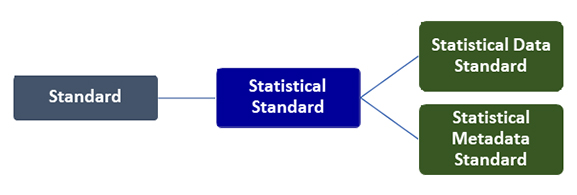
2022 Biannual Livestock Survey

Why do we conduct this survey?

The purpose of this survey is to collect up-to-date information on the number of livestock on your agricultural operation. The data are used by agricultural industry analysts and producers to make production and marketing decisions, and by government analysts to monitor the livestock industry and develop agricultural policies in Canada.

Your information may also be used by Statistics Canada for other statistical and research purposes.

Your participation in this survey is required under the authority of the Statistics Act.

Other important information

Authorization to collect this information

Data are collected under the authority of the Statistics Act, Revised Statutes of Canada, 1985, Chapter S-19.

Confidentiality

By law, Statistics Canada is prohibited from releasing any information it collects that could identify any person, business, or organization, unless consent has been given by the respondent, or as permitted by the Statistics Act. Statistics Canada will use the information from this survey for statistical purposes only.

Record linkages

To enhance the data from this survey and to reduce the reporting burden, Statistics Canada may combine the acquired data with information from other surveys or from administrative sources.

Data-sharing agreements

To reduce respondent burden, Statistics Canada has entered into data-sharing agreements with provincial and territorial statistical agencies and other government organizations, which have agreed to keep the data confidential and use them only for statistical purposes. Statistics Canada will only share data from this survey with those organizations that have demonstrated a requirement to use the data.

Section 11 of the Statistics Act provides for the sharing of information with provincial and territorial statistical agencies that meet certain conditions. These agencies must have the legislative authority to collect the same information, on a mandatory basis, and the legislation must provide substantially the same provisions for confidentiality and penalties for disclosure of confidential information as the Statistics Act. Because these agencies have the legal authority to compel businesses to provide the same information, consent is not requested and businesses may not object to the sharing of the data.

For this survey, there are Section 11 agreements with the provincial statistical agencies of Newfoundland and Labrador, Nova Scotia, New Brunswick, Quebec, Ontario, Manitoba, Saskatchewan, Alberta and British Columbia. The shared data will be limited to information pertaining to business establishments located within the jurisdiction of the respective province.

Section 12 of the Statistics Act provides for the sharing of information with federal, provincial or territorial government organizations. Under Section 12, you may refuse to share your information with any of these organizations by writing a letter of objection to the Chief Statistician, specifying the organizations with which you do not want Statistics Canada to share your data and mailing it to the following address:

Chief Statistician of Canada
Statistics Canada
Attention of Director, Enterprise Statistics Division
150 Tunney's Pasture Driveway
Ottawa, Ontario
K1A 0T6

You may also contact us by email at statcan.esdhelpdesk-dsebureaudedepannage.statcan@statcan.gc.ca or by fax at 613-951-6583.

For this survey, there are Section 12 agreements with the Prince Edward Island statistical agency, the Manitoba Agriculture and Resource Development as well as with the Ontario Ministry of Agriculture, Food and Rural Affairs.

For agreements with provincial and territorial government organizations, the shared data will be limited to information pertaining to business establishments located within the jurisdiction of the respective province or territory.

Business or organization and contact information

1. Verify or provide the business or organization's legal and operating name and correct where needed.

Note: Legal name modifications should only be done to correct a spelling error or typo.

Legal Name

The legal name is one recognized by law, thus it is the name liable for pursuit or for debts incurred by the business or organization. In the case of a corporation, it is the legal name as fixed by its charter or the statute by which the corporation was created.

Modifications to the legal name should only be done to correct a spelling error or typo.

To indicate a legal name of another legal entity you should instead indicate it in question 3 by selecting 'Not currently operational' and then choosing the applicable reason and providing the legal name of this other entity along with any other requested information.

Operating Name

The operating name is a name the business or organization is commonly known as if different from its legal name. The operating name is synonymous with trade name.

  • Legal name:
  • Operating name (if applicable):

2. Verify or provide the contact information of the designated business or organization contact person for this questionnaire and correct where needed.

Note: The designated contact person is the person who should receive this questionnaire. The designated contact person may not always be the one who actually completes the questionnaire.

  • First name:
  • Last name:
  • Title:
  • Preferred language of communication:
    • English
    • French
  • Mailing address (number and street):
  • City:
  • Province, territory or state:
  • Postal code or ZIP code:
  • Country:
    • Canada
    • United States
  • Email address:
  • Telephone number (including area code):
  • Extension number (if applicable):
    The maximum number of characters is 10.
  • Fax number (including area code):

3. Verify or provide the current operational status of the business or organization identified by the legal and operating name above.

  • Operational
  • Not currently operational
    Why is this business or organization not currently operational?
    • Seasonal operations
      • When did this business or organization close for the season?
        • Date
      • When does this business or organization expect to resume operations?
        • Date
    • Ceased operations
      • When did this business or organization cease operations?
        • Date
      • Why did this business or organization cease operations?
        • Bankruptcy
        • Liquidation
        • Dissolution
        • Other - Specify the other reasons for ceased operations
    • Sold operations
      • When was this business or organization sold?
        • Date
      • What is the legal name of the buyer?
    • Amalgamated with other businesses or organizations
      • When did this business or organization amalgamate?
        • Date
      • What is the legal name of the resulting or continuing business or organization?
      • What are the legal names of the other amalgamated businesses or organizations?
    • Temporarily inactive but will re-open
      • When did this business or organization become temporarily inactive?
        • Date
      • When does this business or organization expect to resume operations?
        • Date
      • Why is this business or organization temporarily inactive?
    • No longer operating due to other reasons
      • When did this business or organization cease operations?
        • Date
      • Why did this business or organization cease operations?

4. Verify or provide the current main activity of the business or organization identified by the legal and operating name above.

Note: The described activity was assigned using the North American Industry Classification System (NAICS).

This question verifies the business or organization's current main activity as classified by the North American Industry Classification System (NAICS). The North American Industry Classification System (NAICS) is an industry classification system developed by the statistical agencies of Canada, Mexico and the United States. Created against the background of the North American Free Trade Agreement, it is designed to provide common definitions of the industrial structure of the three countries and a common statistical framework to facilitate the analysis of the three economies. NAICS is based on supply-side or production-oriented principles, to ensure that industrial data, classified to NAICS, are suitable for the analysis of production-related issues such as industrial performance.

The target entity for which NAICS is designed are businesses and other organizations engaged in the production of goods and services. They include farms, incorporated and unincorporated businesses and government business enterprises. They also include government institutions and agencies engaged in the production of marketed and non-marketed services, as well as organizations such as professional associations and unions and charitable or non-profit organizations and the employees of households.

The associated NAICS should reflect those activities conducted by the business or organizational units targeted by this questionnaire only, as identified in the 'Answering this questionnaire' section and which can be identified by the specified legal and operating name. The main activity is the activity which most defines the targeted business or organization's main purpose or reason for existence. For a business or organization that is for-profit, it is normally the activity that generates the majority of the revenue for the entity.

The NAICS classification contains a limited number of activity classifications; the associated classification might be applicable for this business or organization even if it is not exactly how you would describe this business or organization's main activity.

Please note that any modifications to the main activity through your response to this question might not necessarily be reflected prior to the transmitting of subsequent questionnaires and as a result they may not contain this updated information.

The following is the detailed description including any applicable examples or exclusions for the classification currently associated with this business or organization.

Description and examples

  • This is the current main activity
  • This is not the current main activity
    Provide a brief but precise description of this business or organization's main activity:
    e.g., breakfast cereal manufacturing, shoe store, software development

Main activity

5. You indicated that is not the current main activity. Was this business or organization's main activity ever classified as: ?

  • Yes
    When did the main activity change?
    Date:
  • No

6. Search and select the industry classification code that best corresponds to this business or organization's main activity.

Select this business or organization's activity sector (optional)

  • Farming or logging operation
  • Construction company or general contractor
  • Manufacturer
  • Wholesaler
  • Retailer
  • Provider of passenger or freight transportation
  • Provider of investment, savings or insurance products
  • Real estate agency, real estate brokerage or leasing company
  • Provider of professional, scientific or technical services
  • Provider of health care or social services
  • Restaurant, bar, hotel, motel or other lodging establishment
  • Other sector

7. You have indicated that the current main activity of this business or organization is: Main activity. Are there any other activities that contribute significantly (at least 10%) to this business or organization's revenue?

  • Yes, there are other activities
    Provide a brief but precise description of this business or organization's secondary activity:
    e.g., breakfast cereal manufacturing, shoe store, software development
  • No, that is the only significant activity

8. Approximately what percentage of this business or organization's revenue is generated by each of the following activities?

When precise figures are not available, provide your best estimates.

CAPTION
  Percentage of revenue
Main activity  
Secondary activity  
All other activities  
Total percentage  

Cattle and calves

1. On YYYY-MM-DD do you expect to have any cattle or calves on this operation?

Report all cattle and calves regardless of ownership.

Include:

  • those that are boarded, custom-fed or fed under contract
  • those that are pastured on a community pasture, grazing co-op or Crown land.

Exclude all cattle and calves kept on a farm, ranch, or feedlot operated by someone else.

Inclusions and exclusions

When answering the livestock questions, please include:

  • all livestock on your operation as of YYYY-MM-DD, regardless of ownership, including livestock pastured, custom fed or fed under contract for others
  • all livestock owned by the operator and held on Crown land, community pastures and grazing projects.

Exclude livestock which are owned by you but kept on a farm, ranch, or feedlot operated by someone else.

Community pastures, grazing associations, Crown land: a community pasture or grazing reserve can be a federal, provincial or municipal land operated by a manager and rented to livestock producers for pasturing animals at a fixed fee per head. A co-operative grazing association is a group of people who usually incorporate and rent or lease land for a common grazing area.

Note: forest reserves fall under the category of grazing reserve. Crown land is land owned by the government (municipal, provincial or federal) and generally managed by the government. Crown land does not necessarily have to be used for the purpose of grazing livestock, although grazing does take place on Crown land, particularly in British Columbia.

Fed under contract / custom feeding: livestock are fed under a pre-arranged agreement with a company (for example, feed mill) or another producer to feed the cattle or hogs to market weight. Usually the "feed" operator owns the buildings and supplies the labour but does not own the livestock.

Feedlot (cattle): feedlots are operations where livestock are fattened for market. A feedlot operation may own the animals, or may feed them for other operators for a fee, or both.

Note: feedlots are more applicable to cattle.

Feeding and finishing operations (pigs): feeding and finishing operations are applicable to pigs. Hog feeding and finishing operations are operations in which hogs are fed to market weight. Usually there are no breeding sows or boars in these operations other than those culled from a breeding herd, being fattened for slaughter.

Slaughtered for own consumption: if there are any livestock (cattle, hogs, or sheep) which will be slaughtered for personal consumption, include that livestock in inventory counts. For example, if a dairy operator has one pig which will be slaughtered for personal consumption, include this pig in inventory counts.

  • Yes
  • No

Cattle and calves - Inventory

2. How many of the following do you expect to have on this operation on YYYY-MM-DD?

Include all cattle and calves on this operation, regardless of ownership.

Exclude all cattle and calves kept on a farm, ranch, or feedlot operated by someone else.

Cattle and calves

Bulls: male cattle which have not been castrated, 1 year and over, which are or will be kept for breeding purposes or for slaugther.

Calves: cattle of either sex, under 1 year old.

Calving: a term used when referring to cattle, meaning to give birth.

Cow: female cattle which have calved at least once, being used for the production of dairy or for the reproduction of beef calves. Include "first calf heifers".

Heifers: female cattle over 1 year old which have never calved, used (or to be used) for breeding or fed for slaughter.

Steers: castrated male cattle, 1 year and over, being fed for slaughter.

CAPTION
  Number
a. Bulls, one year and over  
b. Dairy cows  
c. Beef cows  
d. Calves, under one year  
e. Heifers, one year and over for dairy replacement heifers  
f. Heifers, one year and over for beef replacement heifers  
g. Heifers, one year and over for slaughter or feeder heifers  
h. Steers, one year and over  
Total inventory of cattle and calves  

Cattle and calves - Production

3. How many calves were born alive on this operation in the last six months, between YYYY-MM-DD and YYYY-MM-DD?

Cattle and calves

Bulls: male cattle which have not been castrated, 1 year and over, which are or will be kept for breeding purposes or for slaugther.

Calves: cattle of either sex, under 1 year old.

Calving: a term used when referring to cattle, meaning to give birth.

Cow: female cattle which have calved at least once, being used for the production of dairy or for the reproduction of beef calves. Include "first calf heifers".

Heifers: female cattle over 1 year old which have never calved, used (or to be used) for breeding or fed for slaughter.

Steers: castrated male cattle, 1 year and over, being fed for slaughter.

Number of calves:

4. How many cows and heifers do you expect to calve on this operation in the next six months, between YYYY-MM-DD and YYYY-MM-DD?

Cattle and calves

Bulls: male cattle which have not been castrated, 1 year and over, which are or will be kept for breeding purposes or for slaugther.

Calves: cattle of either sex, under 1 year old.

Calving: a term used when referring to cattle, meaning to give birth.

Cow: female cattle which have calved at least once, being used for the production of dairy or for the reproduction of beef calves. Include "first calf heifers".

Heifers: female cattle over 1 year old which have never calved, used (or to be used) for breeding or fed for slaughter.

Steers: castrated male cattle, 1 year and over, being fed for slaughter.

Number of cows and heifers:

Pigs

5. On YYYY-MM-DD do you expect to have any pigs on this operation?

Report all pigs regardless of ownership.

Include:

  • those that are boarded, custom-fed or fed under contract
  • those that are pastured on a community pasture, grazing co-op or Crown land.

Exclude all pigs kept on a farm, ranch, or feedlot operated by someone else.

Inclusions and exclusions

When answering the livestock questions, please include:

  • all livestock on your operation as of YYYY-MM-DD, regardless of ownership, including livestock pastured, custom fed or fed under contract for others
  • all livestock owned by the operator and held on Crown land, community pastures and grazing projects.

Exclude livestock which are owned by you but kept on a farm, ranch, or feedlot operated by someone else.

Community pastures, grazing associations, Crown land: a community pasture or grazing reserve can be a federal, provincial or municipal land operated by a manager and rented to livestock producers for pasturing animals at a fixed fee per head. A co-operative grazing association is a group of people who usually incorporate and rent or lease land for a common grazing area.

Note: forest reserves fall under the category of grazing reserve. Crown land is land owned by the government (municipal, provincial or federal) and generally managed by the government. Crown land does not necessarily have to be used for the purpose of grazing livestock, although grazing does take place on Crown land, particularly in British Columbia.

Fed under contract / custom feeding: livestock are fed under a pre-arranged agreement with a company (for example, feed mill) or another producer to feed the cattle or hogs to market weight. Usually the "feed" operator owns the buildings and supplies the labour but does not own the livestock.

Feedlot (cattle): feedlots are operations where livestock are fattened for market. A feedlot operation may own the animals, or may feed them for other operators for a fee, or both.

Note: feedlots are more applicable to cattle.

Feeding and finishing operations (pigs): feeding and finishing operations are applicable to pigs. Hog feeding and finishing operations are operations in which hogs are fed to market weight. Usually there are no breeding sows or boars in these operations other than those culled from a breeding herd, being fattened for slaughter.

Slaughtered for own consumption: if there are any livestock (cattle, hogs, or sheep) which will be slaughtered for personal consumption, include that livestock in inventory counts. For example, if a dairy operator has one pig which will be slaughtered for personal consumption, include this pig in inventory counts.

  • Yes
  • No
    Were there any pigs on this operation during the last six months, between YYYY-MM-DD and YYYY-MM-DD?
  • Yes
  • No

Pigs - Inventory

6. How many of the following do you expect to have on this operation on YYYY-MM-DD?

Include all pigs on this operation, regardless of ownership.

Exclude all pigs kept on a farm, ranch, or feedlot operated by someone else.

Pigs

Boars: non-castrated male pigs, 6 months and older, used or to be used (or sold) for breeding purposes.

Bred gilts: female pigs which have never farrowed but which have been bred; they are intended for breeding purposes.

Farrowing: term used when referring to pigs, meaning "to give birth".

Feeders: market pigs that are 50 to 119 pounds (23 to 53 kilograms) or 120 to 179 pounds (54 to 81 kilograms).

Note: sometimes referred to as grower pigs.

Finishers: market pigs over 179 pounds (81 kilograms) which are being fed for slaughter.

Gilts: female pigs which have never farrowed and are intended for breeding. Gilts intended for breeding may or may not be bred.

Note: gilts are younger than bred gilts.

Hog: a general term used to describe any type of pig.

Market pigs: consists of "feeders (growers)" and "finishers" which are over 50 pounds (23 kilograms). The general term 'market pigs' is to differentiate from pigs for breeding.

Piglet: a general term used to describe a new born pig.

Slaughter hogs: pigs which are approximately 220 to 240 pounds (100 to 110 kilograms) and are ready to be sold or slaughtered.

Sows: female pigs which have farrowed at least once.

Stillborn: born dead.

Suckling pigs: young pigs under 15 pounds (7 kilograms), which have not been weaned.

Weaners, Weanling, Nursery or Starter: pigs of either sex, 15 to 49 pounds (7 to 22 kilograms), which have recently been weaned.

Weaning: switching a young animal from mother's milk to another source of food.

CAPTION
  Number
Breeding stock, six months and over  
a. Sows and gilts kept for breeding  
b. Boars kept for breeding  
All other pigs  
c. Suckling pigs, less than 15 lb (7 kg)  
d. Weanling, nursery, or starter pigs, 15 to 49 lb (7 to 22 kg)  
e. Market pigs, 50 lb and over (23 kg and over)  
Total inventory of pigs  

Pigs - Inventory

7. How many of the [number] market pigs are in each of the following categories?

Pigs

Boars: non-castrated male pigs, 6 months and older, used or to be used (or sold) for breeding purposes.

Bred gilts: female pigs which have never farrowed but which have been bred; they are intended for breeding purposes.

Farrowing: term used when referring to pigs, meaning "to give birth".

Feeders: market pigs that are 50 to 119 pounds (23 to 53 kilograms) or 120 to 179 pounds (54 to 81 kilograms).

Note: sometimes referred to as grower pigs.

Finishers: market pigs over 179 pounds (81 kilograms) which are being fed for slaughter.

Gilts: female pigs which have never farrowed and are intended for breeding. Gilts intended for breeding may or may not be bred.

Note: gilts are younger than bred gilts.

Hog: a general term used to describe any type of pig.

Market pigs: consists of "feeders (growers)" and "finishers" which are over 50 pounds (23 kilograms). The general term 'market pigs' is to differentiate from pigs for breeding.

Piglet: a general term used to describe a new born pig.

Slaughter hogs: pigs which are approximately 220 to 240 pounds (100 to 110 kilograms) and are ready to be sold or slaughtered.

Sows: female pigs which have farrowed at least once.

Stillborn: born dead.

Suckling pigs: young pigs under 15 pounds (7 kilograms), which have not been weaned.

Weaners, Weanling, Nursery or Starter: pigs of either sex, 15 to 49 pounds (7 to 22 kilograms), which have recently been weaned.

Weaning: switching a young animal from mother's milk to another source of food.

CAPTION
  Number
a. Over 179 lb (81 kg)  
b. Between 120 to 179 lb (54 to 81 kg)  
c. Between 50 and 120 lb (23 to 54 kg)
Exclude weanling, nursery, or starter pigs.
 
Total market pigs  

Pigs - Farrowings

8. Please provide the total number of farrowings, the average number of piglets per litter and the total piglets born in the last six months between YYYY-MM-DD and YYYY-MM-DD.

Include pigs born alive and stillborn.

Total number of farrowings: this question is asking to report the total number of farrowings in the last 6 months. If a sow farrowed two times in the last 6 months this would be reported as two farrowings.

Average number of piglets born per litter: this question is asking to report the average number of piglets born per litter during the last 6 months. Some respondents interpret this to mean how many total piglets were born during the last six months. The data we are looking for is the average number of piglets born per sow. For example: If a respondent has 100 sows and each sow has 10 piglets born per litter. The correct response would be on average 10 piglets born per litter. Include piglets born alive and stillborn.

Total piglets born: this question is asking to report the total number of piglets born in the last 6 months. This question is autofilled if the total number of farrowings and the average number of piglets born per litter are reported. Total number of farrowings in the last 6 months multiplied by average number of piglets born per litter equals the total piglets born in the last 6 months. If the respondent is not able to report the total number of farrowings or average number of piglets born, the respondent should manually enter the total number of piglets born in the last 6 months. Include piglets born alive and stillborn.

CAPTION
  Number
a. Total number of farrowings in last six months  
b. Average number of piglets born per litter  
c. Total piglets born in last six months
Total number of farrowings X average number of piglets per litter.
 

9. Compared with the last six months, do you expect the number of farrowings to increase, decrease, or stay the same in the next six months, between YYYY-MM-DD and YYYY-MM-DD?

Pigs

Boars: non-castrated male pigs, 6 months and older, used or to be used (or sold) for breeding purposes.

Bred gilts: female pigs which have never farrowed but which have been bred; they are intended for breeding purposes.

Farrowing: term used when referring to pigs, meaning "to give birth".

Feeders: market pigs that are 50 to 119 pounds (23 to 53 kilograms) or 120 to 179 pounds (54 to 81 kilograms).

Note: sometimes referred to as grower pigs.

Finishers: market pigs over 179 pounds (81 kilograms) which are being fed for slaughter.

Gilts: female pigs which have never farrowed and are intended for breeding. Gilts intended for breeding may or may not be bred.

Note: gilts are younger than bred gilts.

Hog: a general term used to describe any type of pig.

Market pigs: consists of "feeders (growers)" and "finishers" which are over 50 pounds (23 kilograms). The general term 'market pigs' is to differentiate from pigs for breeding.

Piglet: a general term used to describe a new born pig.

Slaughter hogs: pigs which are approximately 220 to 240 pounds (100 to 110 kilograms) and are ready to be sold or slaughtered.

Sows: female pigs which have farrowed at least once.

Stillborn: born dead.

Suckling pigs: young pigs under 15 pounds (7 kilograms), which have not been weaned.

Weaners, Weanling, Nursery or Starter: pigs of either sex, 15 to 49 pounds (7 to 22 kilograms), which have recently been weaned.

Weaning: switching a young animal from mother's milk to another source of food.

  • Increase
    What is the expected percentage increase?
  • Decrease
    What is the expected percentage decrease?
  • Stay the same

10. Of the [number] piglets born during the last six months, between YYYY-MM-DD and YYYY-MM-DD, what percentage were stillborn, died or were destroyed before weaning?

Pigs

Boars: non-castrated male pigs, 6 months and older, used or to be used (or sold) for breeding purposes.

Bred gilts: female pigs which have never farrowed but which have been bred; they are intended for breeding purposes.

Farrowing: term used when referring to pigs, meaning "to give birth".

Feeders: market pigs that are 50 to 119 pounds (23 to 53 kilograms) or 120 to 179 pounds (54 to 81 kilograms).

Note: sometimes referred to as grower pigs.

Finishers: market pigs over 179 pounds (81 kilograms) which are being fed for slaughter.

Gilts: female pigs which have never farrowed and are intended for breeding. Gilts intended for breeding may or may not be bred.

Note: gilts are younger than bred gilts.

Hog: a general term used to describe any type of pig.

Market pigs: consists of "feeders (growers)" and "finishers" which are over 50 pounds (23 kilograms). The general term 'market pigs' is to differentiate from pigs for breeding.

Piglet: a general term used to describe a new born pig.

Slaughter hogs: pigs which are approximately 220 to 240 pounds (100 to 110 kilograms) and are ready to be sold or slaughtered.

Sows: female pigs which have farrowed at least once.

Stillborn: born dead.

Suckling pigs: young pigs under 15 pounds (7 kilograms), which have not been weaned.

Weaners, Weanling, Nursery or Starter: pigs of either sex, 15 to 49 pounds (7 to 22 kilograms), which have recently been weaned.

Weaning: switching a young animal from mother's milk to another source of food.

Percentage:

Pigs - Shipments for slaughter

11. How many pigs will this operation have shipped to a slaughter facility in the last six months, between YYYY-MM-DD and YYYY-MM-DD?

Enter "0" if none.

Pigs

Boars: non-castrated male pigs, 6 months and older, used or to be used (or sold) for breeding purposes.

Bred gilts: female pigs which have never farrowed but which have been bred; they are intended for breeding purposes.

Farrowing: term used when referring to pigs, meaning "to give birth".

Feeders: market pigs that are 50 to 119 pounds (23 to 53 kilograms) or 120 to 179 pounds (54 to 81 kilograms).

Note: sometimes referred to as grower pigs.

Finishers: market pigs over 179 pounds (81 kilograms) which are being fed for slaughter.

Gilts: female pigs which have never farrowed and are intended for breeding. Gilts intended for breeding may or may not be bred.

Note: gilts are younger than bred gilts.

Hog: a general term used to describe any type of pig.

Market pigs: consists of "feeders (growers)" and "finishers" which are over 50 pounds (23 kilograms). The general term 'market pigs' is to differentiate from pigs for breeding.

Piglet: a general term used to describe a new born pig.

Slaughter hogs: pigs which are approximately 220 to 240 pounds (100 to 110 kilograms) and are ready to be sold or slaughtered.

Sows: female pigs which have farrowed at least once.

Stillborn: born dead.

Suckling pigs: young pigs under 15 pounds (7 kilograms), which have not been weaned.

Weaners, Weanling, Nursery or Starter: pigs of either sex, 15 to 49 pounds (7 to 22 kilograms), which have recently been weaned.

Weaning: switching a young animal from mother's milk to another source of food.

Number of pigs:

12. Of the [number] pigs shipped to slaughter, what percentage were shipped to a facility in:

Pigs

Boars: non-castrated male pigs, 6 months and older, used or to be used (or sold) for breeding purposes.

Bred gilts: female pigs which have never farrowed but which have been bred; they are intended for breeding purposes.

Farrowing: term used when referring to pigs, meaning "to give birth".

Feeders: market pigs that are 50 to 119 pounds (23 to 53 kilograms) or 120 to 179 pounds (54 to 81 kilograms).

Note: sometimes referred to as grower pigs.

Finishers: market pigs over 179 pounds (81 kilograms) which are being fed for slaughter.

Gilts: female pigs which have never farrowed and are intended for breeding. Gilts intended for breeding may or may not be bred.

Note: gilts are younger than bred gilts.

Hog: a general term used to describe any type of pig.

Market pigs: consists of "feeders (growers)" and "finishers" which are over 50 pounds (23 kilograms). The general term 'market pigs' is to differentiate from pigs for breeding.

Piglet: a general term used to describe a new born pig.

Slaughter hogs: pigs which are approximately 220 to 240 pounds (100 to 110 kilograms) and are ready to be sold or slaughtered.

Sows: female pigs which have farrowed at least once.

Stillborn: born dead.

Suckling pigs: young pigs under 15 pounds (7 kilograms), which have not been weaned.

Weaners, Weanling, Nursery or Starter: pigs of either sex, 15 to 49 pounds (7 to 22 kilograms), which have recently been weaned.

Weaning: switching a young animal from mother's milk to another source of food.

CAPTION
  Percentage
a. the same province  
b. another province  
c. the United States  
Total pigs shipped to slaughter  

Pigs - Shipments for feeding purposes

13. How many weanling, nursery, or starter pigs, 15 to 49 lb (7 to 22 kg) will this operation have shipped in the last six months, between YYYY-MM-DD and YYYY-MM-DD, to another operation for feeding purposes?

Enter "0" if none.

Pigs

Boars: non-castrated male pigs, 6 months and older, used or to be used (or sold) for breeding purposes.

Bred gilts: female pigs which have never farrowed but which have been bred; they are intended for breeding purposes.

Farrowing: term used when referring to pigs, meaning "to give birth".

Feeders: market pigs that are 50 to 119 pounds (23 to 53 kilograms) or 120 to 179 pounds (54 to 81 kilograms).

Note: sometimes referred to as grower pigs.

Finishers: market pigs over 179 pounds (81 kilograms) which are being fed for slaughter.

Gilts: female pigs which have never farrowed and are intended for breeding. Gilts intended for breeding may or may not be bred.

Note: gilts are younger than bred gilts.

Hog: a general term used to describe any type of pig.

Market pigs: consists of "feeders (growers)" and "finishers" which are over 50 pounds (23 kilograms). The general term 'market pigs' is to differentiate from pigs for breeding.

Piglet: a general term used to describe a new born pig.

Slaughter hogs: pigs which are approximately 220 to 240 pounds (100 to 110 kilograms) and are ready to be sold or slaughtered.

Sows: female pigs which have farrowed at least once.

Stillborn: born dead.

Suckling pigs: young pigs under 15 pounds (7 kilograms), which have not been weaned.

Weaners, Weanling, Nursery or Starter: pigs of either sex, 15 to 49 pounds (7 to 22 kilograms), which have recently been weaned.

Weaning: switching a young animal from mother's milk to another source of food.

Number of weanling, nursery, and starter pigs:

14. Of the [number] weanling, nursery or starter pigs shipped for feeding purposes, what percentage were shipped to another operation in: 

Pigs

Boars: non-castrated male pigs, 6 months and older, used or to be used (or sold) for breeding purposes.

Bred gilts: female pigs which have never farrowed but which have been bred; they are intended for breeding purposes.

Farrowing: term used when referring to pigs, meaning "to give birth".

Feeders: market pigs that are 50 to 119 pounds (23 to 53 kilograms) or 120 to 179 pounds (54 to 81 kilograms).

Note: sometimes referred to as grower pigs.

Finishers: market pigs over 179 pounds (81 kilograms) which are being fed for slaughter.

Gilts: female pigs which have never farrowed and are intended for breeding. Gilts intended for breeding may or may not be bred.

Note: gilts are younger than bred gilts.

Hog: a general term used to describe any type of pig.

Market pigs: consists of "feeders (growers)" and "finishers" which are over 50 pounds (23 kilograms). The general term 'market pigs' is to differentiate from pigs for breeding.

Piglet: a general term used to describe a new born pig.

Slaughter hogs: pigs which are approximately 220 to 240 pounds (100 to 110 kilograms) and are ready to be sold or slaughtered.

Sows: female pigs which have farrowed at least once.

Stillborn: born dead.

Suckling pigs: young pigs under 15 pounds (7 kilograms), which have not been weaned.

Weaners, Weanling, Nursery or Starter: pigs of either sex, 15 to 49 pounds (7 to 22 kilograms), which have recently been weaned.

Weaning: switching a young animal from mother's milk to another source of food.

CAPTION
  Percentage
a. the same province  
b. another province  
c. the United States  
Total weanling, nursery or starter pigs shipped for feeding  

Sheep and lambs

15. On YYYY-MM-DD do you expect to have any sheep or lambs on this operation?

Report all sheep or lambs regardless of ownership.

Include:

  • those that are boarded, custom-fed or fed under contract
  • those that are pastured on a community pasture, grazing co-op or Crown land.

Exclude all sheep and lambs kept on a farm, ranch, or feedlot operated by someone else.

Inclusions and exclusions

When answering the livestock questions, please include:

  • all livestock on your operation as of YYYY-MM-DD, regardless of ownership, including livestock pastured, custom fed or fed under contract for others
  • all livestock owned by the operator and held on Crown land, community pastures and grazing projects.

Exclude livestock which are owned by you but kept on a farm, ranch, or feedlot operated by someone else.

Community pastures, grazing associations, Crown land: a community pasture or grazing reserve can be a federal, provincial or municipal land operated by a manager and rented to livestock producers for pasturing animals at a fixed fee per head. A co-operative grazing association is a group of people who usually incorporate and rent or lease land for a common grazing area.

Note: forest reserves fall under the category of grazing reserve. Crown land is land owned by the government (municipal, provincial or federal) and generally managed by the government. Crown land does not necessarily have to be used for the purpose of grazing livestock, although grazing does take place on Crown land, particularly in British Columbia.

Fed under contract / custom feeding: livestock are fed under a pre-arranged agreement with a company (for example, feed mill) or another producer to feed the cattle or hogs to market weight. Usually the "feed" operator owns the buildings and supplies the labour but does not own the livestock.

Feedlot (cattle): feedlots are operations where livestock are fattened for market. A feedlot operation may own the animals, or may feed them for other operators for a fee, or both.

Note: feedlots are more applicable to cattle.

Feeding and finishing operations (pigs): feeding and finishing operations are applicable to pigs. Hog feeding and finishing operations are operations in which hogs are fed to market weight. Usually there are no breeding sows or boars in these operations other than those culled from a breeding herd, being fattened for slaughter.

Slaughtered for own consumption: if there are any livestock (cattle, hogs, or sheep) which will be slaughtered for personal consumption, include that livestock in inventory counts. For example, if a dairy operator has one pig which will be slaughtered for personal consumption, include this pig in inventory counts.

  • Yes
  • No
    Were there any sheep or lambs kept on this operation in the last six months, between YYYY-MM-DD and YYYY-MM-DD?
  • Yes
  • No

Sheep and lambs - Inventory

16. How many of the following do you expect to have on this operation on YYYY-MM-DD?

Include all sheep or lambs on this operation, regardless of ownership.

Exclude all sheep and lambs kept on a farm, ranch, or feedlot operated by someone else.

Sheep and lambs

Rams: non-castrated male sheep kept for breeding.

Ewes: female sheep kept for breeding.

Replacement lambs: replacement lambs are lambs that are being kept for breeding purposes. Include lambs born on the operation and lambs purchased from other sources. Also include lambs born and still located on the operation that will eventually be sold to other farms for breeding purposes.

Market lambs: market lambs are male or female lambs that are raised with the intent for slaughter.

CAPTION
  Number
a. Rams, one year and over  
b. Ewes  
c. Replacement lambs  
d. Market lambs  
e. Total inventory of sheep and lambs  

Sheep and lambs - Production

17. How many lambs were born on this operation in the last six months, between YYYY-MM-DD and YYYY-MM-DD?

Include lambs born alive and stillborn.

Sheep and lambs

Rams: non-castrated male sheep kept for breeding.

Ewes: female sheep kept for breeding.

Replacement lambs: replacement lambs are lambs that are being kept for breeding purposes. Include lambs born on the operation and lambs purchased from other sources. Also include lambs born and still located on the operation that will eventually be sold to other farms for breeding purposes.

Market lambs: market lambs are male or female lambs that are raised with the intent for slaughter.

Number of lambs:

18. How many sheep and lambs died on this operation, including those killed by disease or predators, in the last six months, between YYYY-MM-DD and YYYY-MM-DD?

Exclude those slaughtered for meat.

Sheep and lambs

Rams: non-castrated male sheep kept for breeding.

Ewes: female sheep kept for breeding.

Replacement lambs: replacement lambs are lambs that are being kept for breeding purposes. Include lambs born on the operation and lambs purchased from other sources. Also include lambs born and still located on the operation that will eventually be sold to other farms for breeding purposes.

Market lambs: market lambs are male or female lambs that are raised with the intent for slaughter.

Number of sheep and lambs:

19. How many lambs do you expect to be born on this operation in the next six months, between YYYY-MM-DD and YYYY-MM-DD?

Sheep and lambs

Rams: non-castrated male sheep kept for breeding.

Ewes: female sheep kept for breeding.

Replacement lambs: replacement lambs are lambs that are being kept for breeding purposes. Include lambs born on the operation and lambs purchased from other sources. Also include lambs born and still located on the operation that will eventually be sold to other farms for breeding purposes.

Market lambs: market lambs are male or female lambs that are raised with the intent for slaughter.

Number of lambs:

Agricultural production

20. Which of the following agricultural products are currently being produced on this operation?

Select all that apply.

  • Field crops
  • Hay
  • Summerfallow
  • Potatoes
  • Fruit, berries and nuts
  • Vegetables
  • Sod
  • Nursery products
  • Greenhouse products
  • Cattle and calves
    Include beef or dairy.
  • Pigs
  • Sheep and lambs
  • Mink
  • Fox
  • Hens and chickens
  • Turkeys
  • Maple taps
  • Honey bees
  • Mushrooms
  • Other
    Specify agricultural products:
  • Not producing agricultural products

Area in crops

21. What area of this operation is used for the following crops?

Report the areas only once, even if used for more than one crop type.

Exclude land used by others.

CAPTION
  Area Unit of measure
a. Field crops    
b. Hay    
c. Summerfallow    
d. Potatoes    
e. Fruit, berries and nuts    
f. Vegetables    
g. Sod    
h. Nursery products    
Unit of measure
  • acres
  • hectares
  • arpents

Greenhouse area

22. What is the total area under glass, plastic or other protection used for growing plants?

Total area:

Unit of measure:

  • square feet
  • square metres

Livestock (excluding birds)

23. How many of the following animals are on this operation?

Report all animals on this operation, regardless of ownership, including those that are boarded, custom-fed or fed under contract.

Include all animals kept by this operation, regardless of ownership, that are pastured on a community pasture, grazing co-op or public land.

Exclude animals owned but kept on a farm, ranch or feedlot operated by someone else.

CAPTION
  Number
a. Cattle and calves  
b. Pigs  
c. Sheep and lambs  
d. Mink  
e. Fox  

Birds

24. How many of the following birds are on this operation?

Report all poultry on this operation, regardless of ownership, including those grown under contract.

Include poultry for sale and poultry for personal use.

Exclude poultry owned but kept on an operation operated by someone else.

CAPTION
  Number
a. Hens and chickens  
b. Turkeys  

Maple taps

25. What was the total number of taps made on maple trees last spring?

Total number of taps:

Honey bees

26. How many live colonies of honey bees (used for honey production or pollination) are owned by this operation?

Include bees owned, regardless of location.

Number of colonies:

Mushrooms

27. What is the total mushroom growing area (standing footage) on this operation?

Include mushrooms grown using beds, trays, tunnels or logs.

Total area:

Unit of measure:

  • square feet
  • square metres

Changes or events

1. Indicate any changes or events that affected the reported values for this business or organization, compared with the last reporting period.

Select all that apply.

  • Strike or lock-out
  • Exchange rate impact
  • Price changes in goods or services sold
  • Contracting out
  • Organizational change
  • Price changes in labour or raw materials
  • Natural disaster
  • Recession
  • Change in product line
  • Sold business or business units
  • Expansion
  • New or lost contract
  • Plant closures
  • Acquisition of business or business units
  • Other
    Specify the other changes or events:
  • No changes or events

Contact person

1. Statistics Canada may need to contact the person who completed this questionnaire for further information.

Is [Provided Given Names], [Provided Family Name] the best person to contact?

  • Yes
  • No

Who is the best person to contact about this questionnaire?

  • First name:
  • Last name:
  • Title:
  • Email address:
  • Telephone number (including area code):
  • Extension number (if applicable):
    The maximum number of characters is 5.
  • Fax number (including area code):

Feedback

1. How long did it take to complete this questionnaire?

Include the time spent gathering the necessary information.

  • Hours:
  • Minutes:

2. Do you have any comments about this questionnaire?

Federal government expenditures on COVID-19 response measures - first quarter 2022

On March 11, 2020, the World Health Organization declared the COVID-19 pandemic. To address the consequences of the pandemic on the Canadian economy, the federal government of Canada announced and implemented various support and recovery measures for businesses, households, students, the vulnerable population and organizations helping individuals. The table Federal government expenditures on COVID-19 response measures presents the major federal measures announced and implemented, their treatment in the national accounts (in particular, in the Income and Expenditure Accounts), the table numbers where the pertinent series may be found and the amount of expenditure on a quarterly basis.

For a comprehensive explanations on the treatment of COVID-19 government support measures in the national accounts, please refer to the documents Recording COVID-19 measures in the national account and Recording new COVID measures in the national accounts.

Treatment in national accounts: Subsidies on production, by quarter at quarterly rates
COVID-19 measure 2020 2021 2022
First quarter Second quarter Third quarter Fourth quarter First quarter Second quarter Third quarter Fourth quarter First quarter
$ millions
Canada Emergency Wage Subsidy (CEWS) - business 4,356 29,384 22,729 11,644 11,108 11,055 5,389 356 ..
Temporary Wage Subsidy (TWS) - business 169 738 .. .. .. .. .. .. ..
Canada Emergency Rent Subsidy (CERS) - business .. .. 54 1,746 1,907 1,805 897 68 ..
Lockdown Support (LS) - business .. .. 5 240 383 375 82 13 ..
Canada Recovery Hiring Program (CRHP) - business .. .. .. .. .. 55 406 312 46
Symbol legend:
.. not available for a specific reference period
Source(s): Statistics Canada, tables 36-10-0103, 36-10-0118 and 36-10-0477.
Treatment in national accounts: Current transfers to non-profit institutions serving households (NPISH), by quarter at quarterly rates
COVID-19 measure 2020 2021 2022
First quarter Second quarter Third quarter Fourth quarter First quarter Second quarter Third quarter Fourth quarter First quarter
$ millions
Canada Emergency Wage Subsidy (CEWS) - NPISH 200 1,095 1,050 618 621 659 380 25 ..
Temporary Wage Subsidy (TWS) - NPISH 13 46 .. .. .. .. .. .. ..
Canada Emergency Rent Subsidy (CERS) - NPISH .. .. 1 42 43 42 24 2 ..
Lockdown Support (LS) - NPISH .. .. 0 5 7 7 2 0 ..
Canada Recovery Hiring Program (CRHP) - NPISH .. .. .. .. .. 1 11 9 2
Symbol legend:
.. not available for a specific reference period
Source(s): Statistics Canada, tables 36-10-0118, 36-10-0477 and 36-10-0115.
Treatment in national accounts: Subsidies on products and imports, by quarter at quarterly rates
COVID-19 measure 2020 2021 2022
First quarter Second quarter Third quarter Fourth quarter First quarter Second quarter Third quarter Fourth quarter First quarter
$ millions
Canada Emergency Commercial Rent Assistance (CECRA) .. 1,130 904 .. .. .. .. .. ..
  • Federal contribution
.. 849 679 .. .. .. .. .. ..
  • Provincial contribution
.. 281 225 .. .. .. .. .. ..
Symbol legend:
.. not available for a specific reference period
Source(s): Statistics Canada, tables 36-10-0103, 36-10-0118 and 36-10-0477.
Treatment in national accounts: Current transfers to households - Employment Insurance benefits, by quarter at quarterly rates
COVID-19 measure 2020 2021 2022
First quarter Second quarter Third quarter Fourth quarter First quarter Second quarter Third quarter Fourth quarter First quarter
$ millions
Canada Emergency Response Benefit (CERB) - EI stream .. 19,127 9,239 864 -12 -2 -21 -11 ..
Symbol legend:
.. not available for a specific reference period
Note(s): A negative number indicates repayments.
Source(s): Statistics Canada, tables 36-10-0118, 36-10-0477 and 36-10-0112.
Treatment in national accounts: Transfers to households -Other federal transfers to households, by quarter at quarterly rates
COVID-19 measure 2020 2021 2022
First quarter Second quarter Third quarter Fourth quarter First quarter Second quarter Third quarter Fourth quarter First quarter
$ millions
Canada Emergency Response Benefit (CERB) - CRA stream .. 29,002 15,597 704 -1,514 .. 1 .. 1
Canada Emergency Student Benefit (CESB) .. 1,386 1,550 8 -64 .. .. .. ..
Canada Recovery Benefit (CRB) .. .. .. 6,073 8,344 6,516 5,091 2,372 34
Canada Recovery Caregiving Benefit (CRCB) .. .. .. 900 1,057 933 619 365 363
Canada Recovery Sickness Benefit (CRSB) .. .. .. 246 163 188 119 198 423
Canada Worker Lockdown Benefit (CWLB) .. .. .. .. .. .. .. .. 899
Symbol legend:
.. not available for a specific reference period
Note(s): A negative number indicates repayments. Some positive numbers may be net of repayments.
Source(s): Statistics Canada, tables 36-10-0118, 36-10-0477 and 36-10-0112.
Treatment in national accounts: Capital transfers to business, by quarter, at quarterly rates
COVID-19 measure 2020 2021 2022
First quarter Second quarter Third quarter Fourth quarter First quarter Second quarter Third quarter Fourth quarter First quarter
$ millions
Canada Emergency Business Account (CEBA):  forgiven part of the loans to private non-financial corporations .. .. .. .. 27 115 129 203 468
Symbol legend:
.. not available for a specific reference period
Source(s): Statistics Canada, tables 36-10-0118, 36-10-0477 and 36-10-0116.
Treatment in national accounts: Capital transfers to household, by quarter, at quarterly rates
COVID-19 measure 2020 2021 2022
First quarter Second quarter Third quarter Fourth quarter First quarter Second quarter Third quarter Fourth quarter First quarter
$ millions
Canada Emergency Business Account (CEBA):  forgiven part of the loans to  unincorporated businesses .. .. .. .. 2 8 10 18 35
Symbol legend:
.. not available for a specific reference period
Source(s): Statistics Canada, tables 36-10-0118, 36-10-0477 and 36-10-0112.
Treatment in national accounts: Outstanding federal government loan assets, by quarter, at quarterly rates
COVID-19 measure 2020 2021 2022
First quarter Second quarter Third quarter Fourth quarter First quarter Second quarter Third quarter Fourth quarter First quarter
$ millions
Canada Emergency Business Account (CEBA) .. 27,309 30,165 38,137 44,822 47,086 47,585 46,970 44,450
Of which: To private non-financial corporations .. 25,468 27,969 35,126 40,895 42,572 42,854 42,278 39,992
Of which: To unincorporated businesses (household) .. 1,841 2,196 3,011 3,927 4,514 4,731 4,692 4,458
Large Employer Emergency Financing Facility (LEEFF) .. .. 60 110 314 1,813 2,538 2,318 2,558
Symbol legend:
.. not available for a specific reference period
Source(s): Statistics Canada, table 36-10-0580.
Legacy Content

Advisory Council on Ethics and Modernization of Microdata Access - Meeting minutes for April 21, 2022

Date and location

April 21, 2022, 8:30 a.m. to 12:30 p.m.
Virtual meeting via MS Teams

Members

  • Anil Arora, Chief Statistician of Canada (Chair)
  • Chantal Bernier, National Practice Leader, Privacy and Cybersecurity, Dentons Canada LLP
  • David Robichaud, Ethics Professor, University of Ottawa
  • Len Garis, Researcher and Adjunct Professor
  • Mary Dawson, Lawyer, former Conflict of Interest and Ethics Commissioner
  • Robert Gordon, Strategic Advisor, Canadian Cyber Threat Exchange

Regrets

  • Cal Marcoux, Chief Information Security Officer, Canadian Institute for Health Information

Statistics Canada guests/support

Jacques Fauteux, André Loranger, Greg Peterson, Lynn Barr-Telford, Mélanie Scott, Janice Keenan, Leila Boussaïd, Eric Rancourt, Tom Dufour, Larry MacNabb, Martin Beaulieu, Julie Trépanier, Patrick Mason, Geneviève Jourdain, Marc St-Denis, Farnaz Ahanin

Introductions and Opening Remarks

Anil Arora, Chief Statistician of Canada

Mr. Arora opened the meeting by welcoming members to the fifth meeting of the Advisory Council on Ethics and Modernization of Microdata Access (ACEMMA). He thanked them for their continuous advice and guidance throughout the years. He noted that their skills and expertise are of the utmost importance to Statistics Canada (StatCan), and essential as the agency continues to modernize in an ethical and responsible manner, while delivering better access to de-identified microdata for researchers and policy makers that benefits all Canadians. Additionally, Mr. Arora noted that the steps in the data life cycle known as the "Four Gs" (gathered, guarded, grown, give) helped to frame the plan of this meeting.

The retirement of Cal Marcoux and his decision to step down from the committee was noted. Members highlighted his valuable contribution to the success of the council.

Updates on the Virtual Data Lab project

Leila Boussaïd, Director General, Data Access and Dissemination Branch, Statistics Canada

Ms. Boussaïd shared updates on the Virtual Data Lab (vDL) project, highlighting that it has been in production as of October 2021. She shared positive testimonials received from users and the project's upcoming plans.

Council members expressed their support for the project and agreed that many reflections have been done to ensure a balance between user-centricity and maintaining the privacy of Canadians when developing initiatives such as the vDL.

Presentation by the Data Ethics Secretariat on the sensitivity scale (in the context of the necessity and proportionality framework)

Martin Beaulieu, Chief, International Cooperation and Methodology Innovation Centre, Statistics Canada;
André Loranger, Assistant Chief Statistician, Strategic Data Management, Methods and Analysis, Statistics Canada (moderator)

Mr. Beaulieu shared progress on behalf of the Data Ethics Secretariat regarding the sensitivity scale and the evolution of the Necessity and Proportionality Framework that was adopted in 2019. The objective is to optimize privacy protection and the production of information when designing a data-gathering approach. The framework was implemented via the creation of the Data Ethics Secretariat and the development of the six guiding principles, Necessity and Proportionality Framework 2.0, and the sensitivity scale. A summary of the six guiding principles was provided. Additionally, Mr. Beaulieu briefed members on the sensitivity scale, a tool currently in development to initiate and facilitate reviews. It was noted that the team is continuing to assess the scale on test projects to ensure it is well integrated into the data acquisition process at the agency

Next steps include communication efforts with partners to refine the process, participation in the international forum on data ethics, continuing training offered, and implementing and refining the sensitivity scale. International guest, Jan Robert Suesser, was invited to provide an external perspective to Mr. Beaulieu's presentation.

International guest speaker: Jan Robert Suesser

Jan Robert Suesser, member of the International Statistical Institute (ISI) Ethics Advisory Board
Jacques Fauteux, Assistant Chief Statistician, Strategic Engagement Field, Statistics Canada (moderator)

Mr. Suesser started with a historical background to official statistics. He continued the discussion by providing an external perspective to Mr. Beaulieu's presentation.

Mr. Suesser noted that there is a need to illustrate how the information from official statistics is produced to be useful. The ethical concern deals largely with the interaction between the work of the agency and individuals and society at large. In Canada, there is an overall acceptance of wanting to further understand and provide disaggregated data to inform public debates and policy making. In providing disaggregated data, it is important to measure and disseminate relevant data about inequalities while providing a rationale. The Necessity and Proportionality Framework which StatCan works within is most welcome in this regard, as it provides a rationale as to why the data are being produced. However, it is important to note that the framework does not prevent misuse of data, but rather is a tool used to provide support. The prejudice and stigmatization referred to in Mr. Beaulieu's presentation are significantly present in public debates with vulnerable populations. Agencies such as StatCan must ensure that they do not create a harmful profile that could propagate stereotypes in collecting the data.

Council members were pleased with presentations and the various elements when looking at the concepts of privacy, fairness, and do not harm. Regarding the sensitivity scale, members cautioned that some questions may sit on a spectrum of a scale rather than the yes/no questions that are currently used in the scale. Members requested that the agency reflect on how to best apply the six guiding principles and the sensitivity scale, and recommended including measures to avoid the collection of excessive data or assure proportional collection before passing to security measures.

Presentation: Secure Infrastructure for Data Integration approach and associated engagement strategy

Patrick Mason, Chief, Data Integration Infrastructure Division
Julie Trépanier, Director, Data Integration Infrastructure Division
Jacques Fauteux, Assistant Chief Statistician, Strategic Engagement Field, Statistics Canada (moderator)

Ms. Trépanier led the discussion with a presentation on Secure Infrastructure for Data Integration (SIDI), noting that StatCan has remained committed to providing detailed data required to address gender gaps, racism and other systematic barriers as part of the Disaggregated Data Action Plan (DDAP). As part of this work, the agency is considering a new SIDI. This set of methods, technologies and protocols will enhance the way StatCan combines its existing data with data from other organizations, while ensuring the confidentiality of records. The team will be carrying out consultative engagements in a five-phased approach to mobilize and gain social acceptance for this approach.

Council members noted that when speaking about mobilization, it is important to outline what is being done in regard to social acceptability and engagement. Building strong partnerships and providing information citizens need is critical. This can be done while showcasing potential for policy-relevant information to be put to good use. Members expressed interest in an increase in linked data and more frequent communication with the provinces. Council members supported the safeguards and framework proposed by the agency and would like an update on SIDI at the next meeting.

Action items

  • Provide update on SIDI progress at next ACEMMA meeting.

Media trends analysis

Janice Keenan, Director General, Communications Branch, Statistics Canada

Ms. Keenan started with an overview of the 2021 Census pilot of social trends reporting systems and described how these tools and framework support the agency's ongoing modernization of its communications. Using new web-based tools such as Meltwater and HootSuite has helped the agency analyze large volumes of social media conversations in real time. Case studies highlighted how this enabled the success of 2021 Census communications and how communications contributed to the highest online response rate for a census in Canada. As next steps, the agency intends to maintain its transparent communications approach and continue to engage key stakeholders, including the Office of the Privacy Commissioner (OPC).

Council members acknowledged the work done by the communications team to address the question of privacy and social media monitoring tools, and expressed support for how this tool is used to better engage Canadians in a dialogue with their statistical agency. There is a need to ensure everyone understands the potential that is present and what the agency is doing in the notion of a monitoring system, as well as the mechanisms set in place to minimize the risks. Checks and balances, and transparency and rationale will be key to public trust and acceptance. It was asked that the OPC recommendations from February 2021 be shared.

Action items

  • Share the following documentation with members post meeting:
    • Meltwater privacy impact assessment and related documents received from the OPC
    • Relevant text (bilingual) from the OPC 2020-21 annual report and URLs to StatCan's Social Media Terms of Use and Interacting with Us on Social Media pages

Roundtable and closing remarks

Anil Arora, Chief Statistician of Canada

Mr. Arora thanked members and invited them to share their final thoughts. Members were canvassed to pick a new chair for the committee.

Advisory council action items

  • Next meeting: November 2022 (tentatively)
  • Name alternate committee member as new chair of ACEMMA
  • Questions and remarks from council members for Statistics Canada to consider:
    • To what extent can we build knowledge that informs policy and decision making without being hostage to those who disseminate prejudice and public debate?
    • If an individual or organization begins to mis-portray the information, what is the role of StatCan as a statistical agency to address this?
    • o What are guardrails and limitations currently present when disseminating disaggregated data and statistical information in general?
Date modified: