
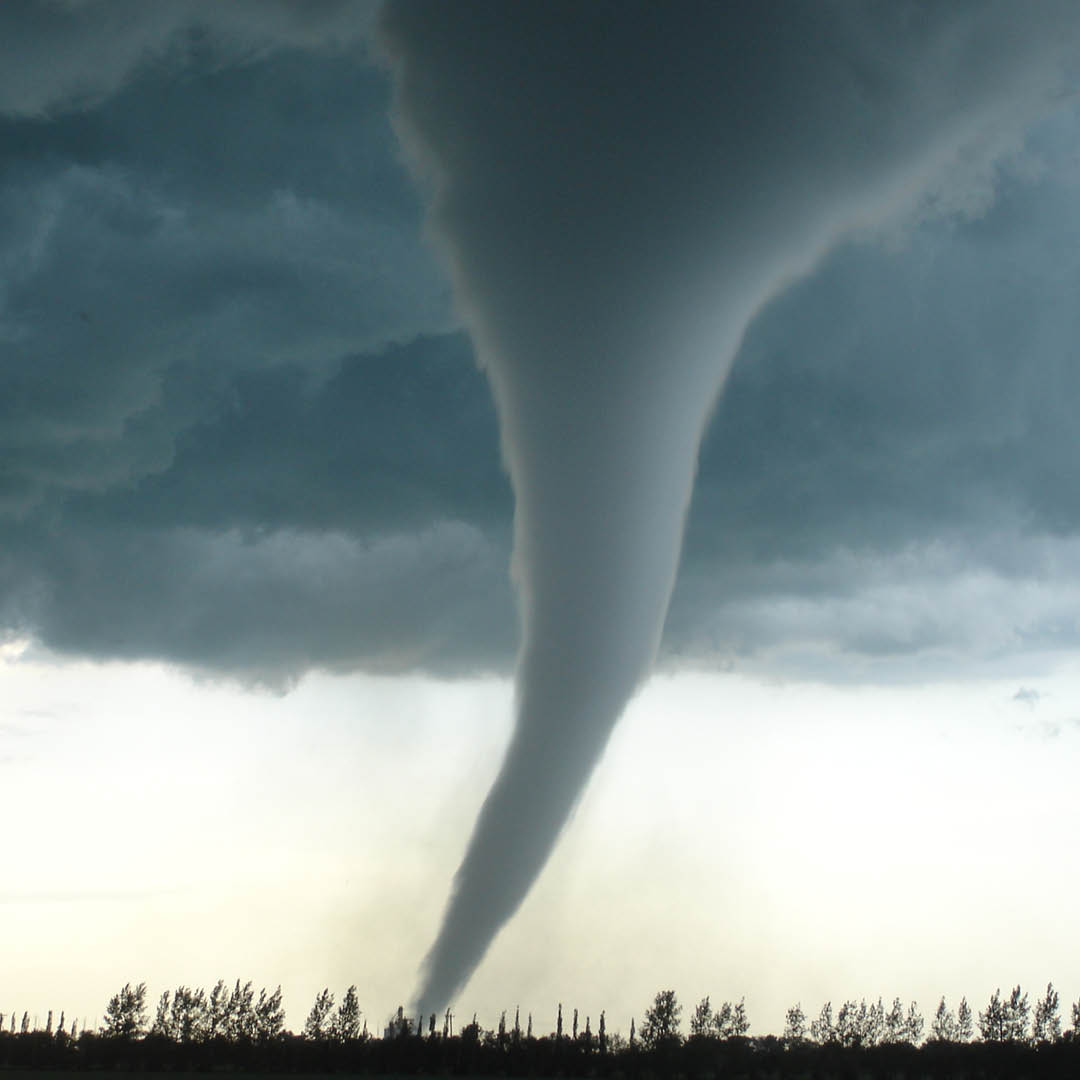
Impact of extreme weather and natural disasters
In 2023, 23% of Canadian households reported having experienced an extreme weather event or a natural disaster. Households in Nova Scotia (48%), Alberta (36%) and Prince Edward Island (33%) were most likely to report experiencing this, while those in Quebec (17%) were least likely.
Among the households that reported experiencing an extreme weather event or a natural disaster, the most frequently reported type of event was poor air quality (58%). This type of event was most often reported in Alberta (85%), Saskatchewan (76%), British Columbia (70%), Manitoba (57%), Ontario (56%) and Quebec (45%). Almost one-third (31%) of households in British Columbia and just over one-quarter (26%) of households in Alberta reported experiencing a forest fire, wildfire or grass fire. Meanwhile, 52% of households in Prince Edward Island and 44% of those in Nova Scotia reported experiencing a hurricane. In Newfoundland and Labrador, 7 in 10 households reported experiencing a winter storm.
The most frequently reported impact of extreme weather was poor air quality (58%), followed by a loss of power for less than 24 hours (46%). About 15% of households affected by an extreme weather event reported having damage to their dwelling, with households in the Maritime provinces being most likely to report experiencing this. Households in the Maritime provinces were also most likely to report having power outages lasting longer than 24 hours and more likely report having had to throw out food (Nova Scotia, 32%; Prince Edward Island, 28%). Road closures were reported by 31% of households in Newfoundland and Labrador, 23% of households in Prince Edward Island, 32% of households in Nova Scotia and about 17% of households in New Brunswick.
Among the households affected by an extreme weather event, 34% reported recovering from the event on the same day, 42% reported it taking several days, 14% reported it taking several weeks, 4% reported it taking months and 4% reported still recovering from the event at the time of interview.
Federal, provincial and territorial governments issue weather alerts and alerts of other potentially dangerous situations using several means of communication. Overall, just under half (46%) of the Canadian households affected by an extreme weather event reported receiving an alert, with those in Alberta (55%), Nova Scotia (50%), Prince Edward Island (48%) and Ontario (46%) reporting this most frequently. Households most frequently reported receiving an alert within one to seven days in advance (38%) or within 1 to 24 hours in advance (31%). Of those that received an alert, half (51%) received one on their phone, 46% saw one on television, 33% heard one on the radio, 31% saw one on social media and one-quarter received an alert via an app.
Pet cats
The loss of birds leads to a decrease in biodiversity. According to some research, approximately 2 to 7% of birds in southern Canada are killed by cats per year, most often by feral cats. Nevertheless, predation by pet cats is probably the largest human-related source of bird mortality in Canada. In 2023, one in five Canadian households (21%) reported having at least one pet cat. Households in Atlantic Canada and Quebec were more likely to have a pet cat than those in other provinces.
Single-cat households were slightly more common (12% of all households) than multi-cat households (9%). More than one-third (37%) of households with cats let their cats go outside, with most (67%) of them doing so every day.
Bird deaths in Canada due to cats
A 2013 study estimated that 100 million to 350 million birds per year are killed by cats in Canada, which is approximately 2 to 7% of the bird population in southern Canada. The study estimated the numbers of pet cats (urban and rural) and feral cats in Canada, as well as the number of birds killed by each group. Estimates suggest that feral cats account for about 25% of the total cat population in Canada, while they account for 59% of all birds killed by cats. Bird deaths by cats are likely higher than by other human-related sources including collisions with buildings, cars and electricity transmission lines.
Source: Blancher, P. 2013. Estimated number of birds killed by house cats (Felis catus) in Canada. Avian Conservation and Ecology 8 (2): 3. http://dx.doi.org/10.5751/ACE-00557-080203.
Sustainable Development Goals
On January 1, 2016, the world officially began implementation of the 2030 Agenda for Sustainable Development—the United Nations' transformative plan of action that addresses urgent global challenges over the next 15 years. The plan is based on 17 specific sustainable development goals.
The Households and the Environment Survey is an example of how Statistics Canada supports the reporting on the Global Goals for Sustainable Development. This release will help to measure the following goals:
Note to readers
The Households and the Environment Survey (HES) asks Canadian households about their activities and behaviours with respect to the environment. It covers a wide variety of topics including water and energy consumption and conservation, hazardous products used in the home, and the household's interactions with nature. Data from the survey are used by governments to guide policies and programs, by researchers to learn more about Canadians, and by individuals to see how they compare with the rest of the country.
In 2023, the HES surveyed approximately 64,800 households.
The target population of the 2023 HES consisted of households in the 10 provinces in Canada. Households excluded from the survey are those located in Yukon, the Northwest Territories and Nunavut; households located on reserves and in other Indigenous settlements in the provinces; households located on Canadian Forces bases, institutions and collectives.
The HES was first conducted in 1991, then it was subsequently conducted in 1994, 2006 and every second year starting in 2007. Some of the environmental variables from the first cycle continue to be measured, but many new topics have been introduced over the years.
Reference
Data table / Data tables: Access the latest tables.
- Note: some data tables may best be viewed on desktop.
Definitions, data sources and methods: survey number 3881.
Previous release: Households and the Environment Survey, 2021.
Contact information
For more information, or to enquire about the concepts, methods or data quality of this release, contact us (toll-free 1-800-263-1136; 514-283-8300; infostats@statcan.gc.ca) or Media Relations (statcan.mediahotline-ligneinfomedias.statcan@statcan.gc.ca).