
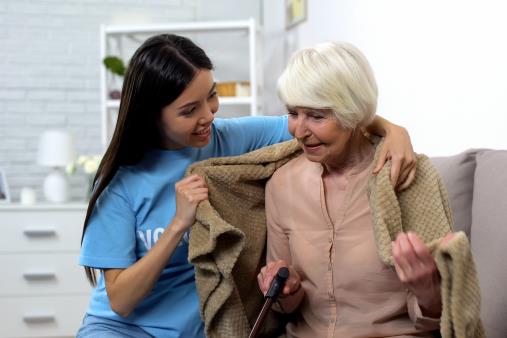
In 2022, more than half of women aged 15 and older (52% or almost 8.4 million women) provided some form of care to children and care-dependent adults, whether paid or unpaid. Regardless of whether they cared for children or adults, women were significantly more likely than men (42%) to provide care. Furthermore, women were more likely than men to report negative impacts from caregiving, such as feeling tired, worried or anxious.
Over the past several years, researchers, policy makers, and advocates have called for more attention to Canada's care economy—the sector of the economy that involves providing paid and unpaid care work to children under the age of 15 and adults with long-term conditions and disabilities. Population aging in Canada continues to put pressure on health and home care services, and the COVID-19 pandemic has shown the importance of the care economy to the health, well-being, and economic prosperity of Canadians. This is also a global issue, with the International Labour Organization estimating 2.3 billion people globally will need care by 2030. It is critical to understand and recognize the care economy's contribution to Canada's economy and how it affects individuals in Canadian society.
The sixth cycle of the Canadian Social Survey (CSS), released today, focused on well-being and caregiving. The data were gathered from July 25, 2022, to August 28, 2022. The results presented here highlight the experiences and challenges faced by those who provided care to children and to care-dependent adults in the previous 12 months, with a particular focus on unpaid care.
Contact information
For more information, or to enquire about the concepts, methods or data quality of this release, contact us (toll-free 1-800-263-1136; 514-283-8300; infostats@statcan.gc.ca) or Media Relations (statcan.mediahotline-ligneinfomedias.statcan@statcan.gc.ca).