

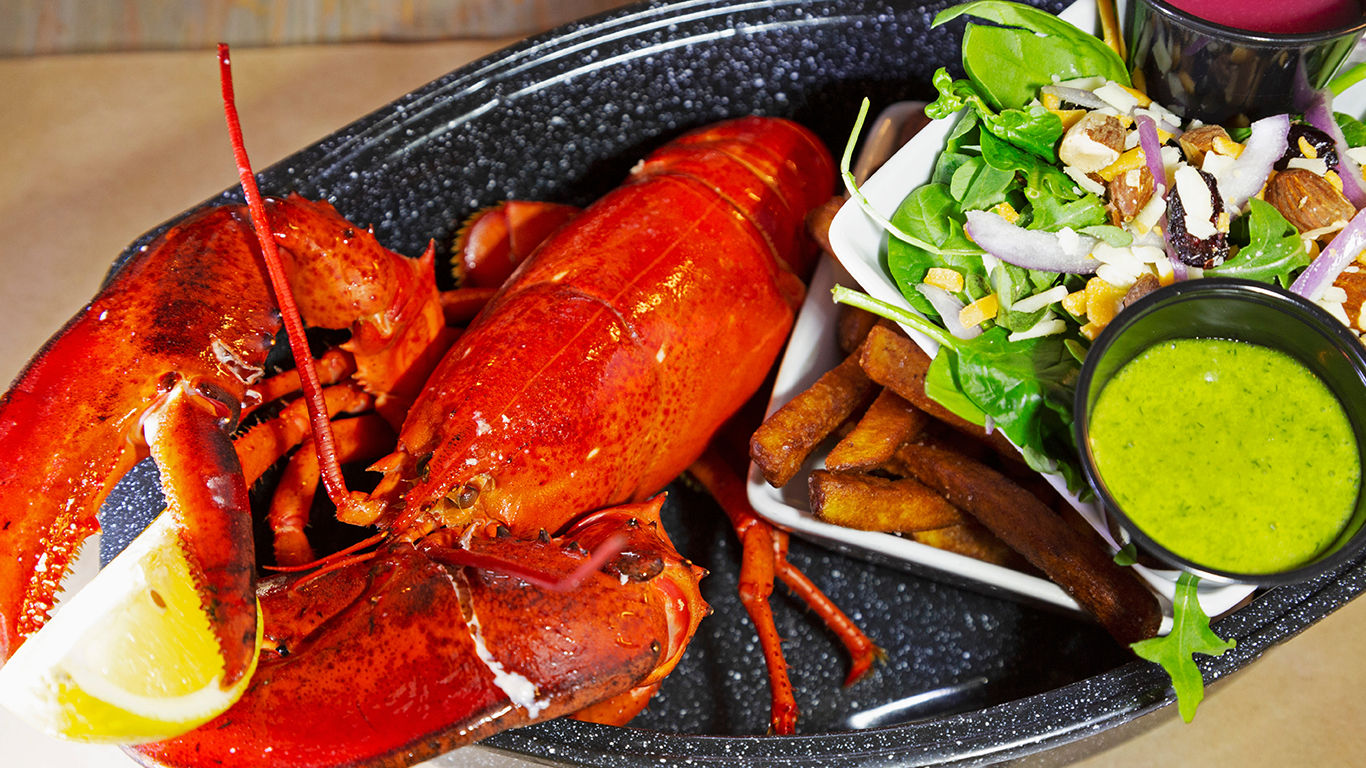
This summer, whether you’re on vacation on a picturesque patio enjoying a drink, trying a new menu item from a nearby bistro during your lunch break or grabbing some of your favourite restaurant food to go—chances are the bill might be a bit higher than usual, as owners grapple with the various costs of doing business.
In the second quarter of 2025, close to two in five (38.8%) businesses in the food services and drinking places subsector (which also includes food service contractors, caterers, and food trucks) expected to raise prices over the next three months.
Meanwhile, more than half (53.6%) the food services and drinking places expected to keep prices about the same, while a relatively small proportion expected to lower them (7.6%).
These expectations reflect answers to one of several questions asked to businesses during the latest cycle of the Canadian Survey of Business Conditions (CSBC)—let’s have a look at some other responses to see what might be behind the decision to raise prices.
Expenses loom large over revenue; half of businesses expect a decrease in profitability
In the second quarter, more than three in five (61.1%) food services and drinking places expected an increase in operating expenses over the next three months. By contrast, almost one in five (18.7%) businesses expected an increase in operating revenue.
Furthermore, most businesses in the subsector expected profitability to decrease (49.7%) or stay the same (42.3%) over the next three months, while just over 1 in 12 (8.0%) expected an increase over the same period.
Inflation, fluctuation in consumer demand, and input costs are among top obstacles expected by businesses
In the second quarter, inflation was the obstacle the most expected in the food services and drinking places subsector over the next three months, reported by more than two-thirds (67.9%) of businesses.
In what could be a sign of the ever-increasing cost of living and the need to adjust discretionary spending, fluctuation in consumer demand was the second most expected obstacle, reported by more than two in five (43.3%) businesses.
This was followed by the cost of inputs (40.8%)—whether they be food ingredients, or other supplies—and attracting new or returning customers (36.7%). Additionally, 3 in 10 (30.0%) businesses expected costs in real estate, leasing or property taxes to be an obstacle.
Supply chain challenges affecting prices, delays and availability
In the second quarter, in addition to the aforementioned obstacles, over one in four (26.3%) food services and drinking places expected supply chain challenges. These challenges include difficulty in acquiring inputs, products or supplies, either within Canada (18.1%) or from abroad (11.7%), and maintaining inventory levels (11.4%).
Among businesses that expected supply chain challenges, 69.7% said these challenges had worsened over the previous three months. Of this proportion, the vast majority (93.4%) said this led to an increase in prices of inputs, products or supplies.
Cost of labour and raw materials are also obstacles
In the second quarter, among the food services and drinking places that expected the costs of inputs to be an obstacle, about three in four of them expected the cost of raw materials (76.8%) and the cost of labour (75.1%) to be obstacles in the next three months. Furthermore, the costs of energy (46.5%) and capital (27.6%) were also among the anticipated obstacles reported by food services and drinking places that expected the costs of inputs to be an obstacle.
More than one-third of businesses eye a reduction in operational costs
In the second quarter, more than one-third (37.8%) of food services and drinking places said their primary focus over the next 12 months would be to reduce operational costs. More than half (53.8%) of businesses also cited operational costs as the primary factor limiting growth.
Looking ahead
Will some of your favourite places be able to hold the line on prices, or still be forced to pass on the costs of doing business? On August 27, 2025, the CSBC will release data for the third quarter, giving us further insight.

📲 Looking for more? Staying informed has never been easier!
Follow the “Business performance and ownership” subject in the StatsCAN app to receive personalized updates and stay connected with the most recent articles, reports and analyses.
Contact information
For more information, contact the Statistical Information Service (toll-free 1-800-263-1136; 514-283-8300; infostats@statcan.gc.ca) or Media Relations (statcan.mediahotline-ligneinfomedias.statcan@statcan.gc.ca).