

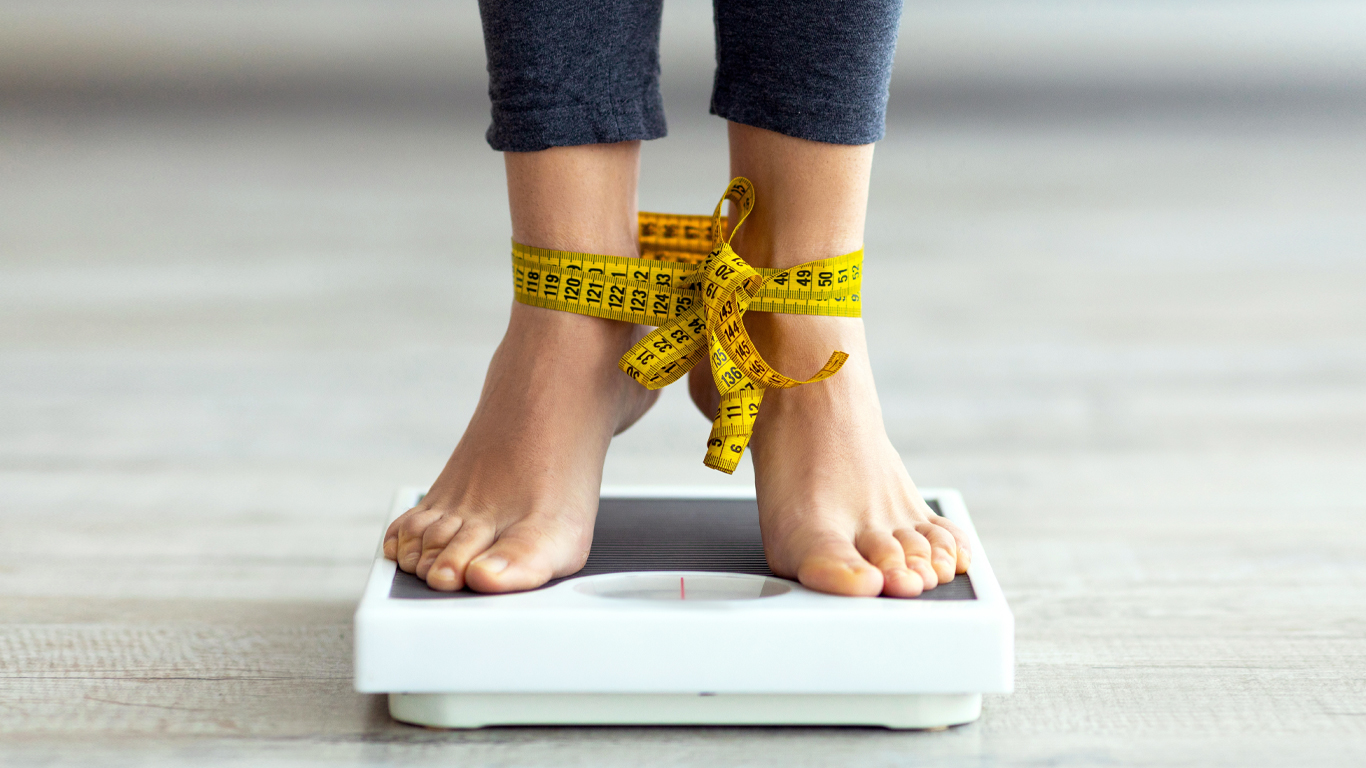
We all have different body types, and there is nothing shameful about having obesity. After all, it’s a clinical term used to describe individuals who fall within a specific range based on height and weight. Indeed, many of those in the “obese” range are fit and active, even athletic.
The term "obesity" describes a medical condition where excess body fat threatens health. While some people with obesity may not currently experience health impacts, at the population level it’s associated with a higher risk of several chronic diseases, including type 2 diabetes, some forms of cardiovascular disease, certain types of cancer and osteoarthritis.
Let’s look at how obesity rates have changed across age groups since we started tracking these data in 2009.
Child and youth obesity levels show little change over time
Obesity among children and youth has gone relatively unchanged since we began measuring it in 2009. Although there has been some variability over the years, there have not been any significant differences. For children aged 5 to 11 years, the obesity rate was 13% in 2009 and 11% in 2024. Among youth aged 12 to 17 years, the obesity rate was 15% in 2009 then remained steady at just under 12% from 2017 to 2024.
Obesity rates among young adults aged 18 to 39 years increase sharply
Just under one in five young adults aged 18 to 39 years had obesity in the years leading up to the pandemic. From 2019 to 2024, the obesity rate for this group increased from 20% to 31%.
The middle-aged spread is spreading
In 2009, one in four Canadians (25%) aged 40 to 59 years had obesity. By 2024, this rate had risen to over one in three (36%).
Change in obesity rates among older Canadians is less pronounced
Obesity rates among older Canadians (aged 60 to 79 years) have fluctuated over the years, increasing from 29% in 2013 to 34% in 2024.
Pandemic-related restrictions are mostly behind us, but the pounds remain
Life as we knew it changed dramatically in March 2020, and it remained restricted to one degree or another until most public health measures were lifted in Canada in the spring of 2022. During those years of intermittent lockdowns and restrictions, daily routines shifted, including how Canadians shopped for food, ate, stayed active and interacted. Regular gym workouts gave way to binge streaming during lockdowns.
Canadian adults across all age groups added a few kilos to their frame during this period, but younger adults gained the most weight during the pandemic and beyond. From 2019 to 2024, young adults (aged 20 to 39 years) gained on average 4.8 kilograms, middle-aged Canadians (aged 40 to 59 years) gained 3.5 kilograms, while older Canadians gained 2.9 kilograms.
Canadian adults’ waistlines got a little wider during the pandemic
So, where did all those extra pounds go? Mostly around the waistline for Canadian adults.
Waist measurements are often used alongside the body mass index (BMI), as a larger waist is linked to higher health risks.
While BMI gives a picture of overall body size, waist circumference helps show how weight is distributed. Tracking both offers a fuller view of how Canadians’ bodies are changing over time.
For young adults aged 20 to 39 years, waist circumference grew 3.5 centimetres on average from 2019 to 2024. For middle-aged Canadians, waist circumference rose 2.1 centimetres, while for older Canadians, waistlines rose 3.2 centimetres.
Looking ahead
As anyone who has ever struggled with weight can attest, weight change can be difficult and is influenced by many individual, social and environmental factors.
Canadians who have obesity today may shed weight and fall out of that range, while others in the overweight range (about 35% of Canadian adults aged 18 to 79 years) may rise into obesity.
Contact information
For more information, contact the Statistical Information Service (toll-free 1-800-263-1136; 514-283-8300; infostats@statcan.gc.ca) or Media Relations (statcan.mediahotline-ligneinfomedias.statcan@statcan.gc.ca).