

It’s just past Thanksgiving, around the time of year when many Canadian households turn up the thermostat.
But how are households heating their homes, and which ones are turning to alternative energy sources? A recently released Statistics Canada study, “Socioeconomic and dwelling characteristics of Canadian households using alternative energy sources,” helps answer that question, using data from the Households and the Environment Survey (HES).
Let’s have a look at the key takeaways, as well as some related data on cost and affordability as we head into another cold Canadian winter (brrr!).
Approximately 1% of Canadian households reported using alternative energy sources in 2021
The study found that in 2021, 1% of Canadian households reported using at least one form of alternative energy.
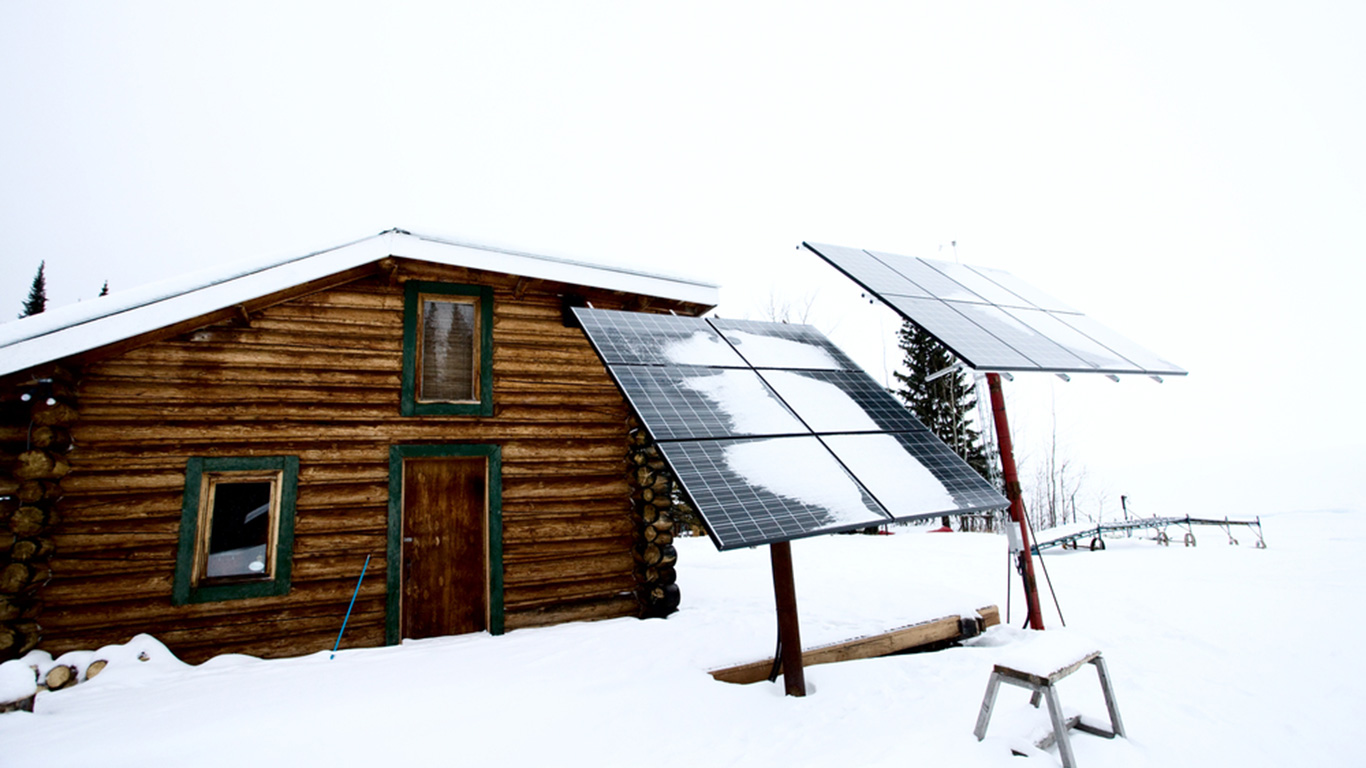
Almost one in four of those households (23%) reported using solar power, the largest proportion, followed by households using geothermal energy (11%) and other sources such as wind or biofuels (10%). The remaining households reported not using an alternative energy source, reported an unknown source or reported using more than one source.
Households with older persons, people in single-detached homes and people in most eastern provinces more likely to use alternative energy
Households reporting alternative energy use in 2021 were more likely to be composed of seniors only, accounting for about 36% of users, compared with 22% of non-users.
Households with adults and children made up a smaller share of users (18%) than non-users (28%). Nearly 9 in 10 households (89%) using alternative energy lived in single-detached homes, compared with 73% of non-users.
In addition, 68% of users lived in their home for 10 years or more, compared with 53% of non-users.
Overall, households that used alternative energy were more likely to be in Ontario, Atlantic Canada and non-urban areas, and they were less likely to be in the Prairies, Quebec and large census metropolitan areas.
Where are we now?
The study notes that, although about 1% of households use alternative energy, the availability of certain programs, such as the Canada Greener Homes Initiative, supported over 400,000 retrofits (including over 38,000 solar panel retrofits) as of March 2026.
Future cycles of the HES may allow monitoring to determine whether certain initiatives have led to broader adoption by households. Data for 2025 are expected to be released in the first quarter of 2027.
Fuel and electricity costs and affordability
In addition to availability, cost and geography can be major factors in choosing heat and energy sources. On an annual average basis, nationwide, prices for fuel oil and other fuels (+32.1%), electricity (+15.1%) and natural gas (+3.1%) all increased from 2021 to 2025.
The changes in price varied considerably by province. For example, prices for fuel oil and other fuels sharply increased by more than half (+55.3%) in Quebec, while the price of natural gas decreased in Alberta (-13.7%).
Affordability continues to be a challenge. In the second quarter of 2025, close to one-quarter (24.1%) of the Canadian population said it was easy or very easy for their household to meet its financial needs, down considerably from the third quarter of 2021 (47.7%).
Recently released data from the Canadian Housing Survey found that, in 2024, almost one in four Canadian households (23.2%) lived in housing unaffordable to them—defined as spending 30% or more of their income on shelter costs. This is up from the proportion in 2022 (22.0%).
Contact information
For more information, contact the Statistical Information Service (toll-free 1-800-263-1136; 514-283-8300; infostats@statcan.gc.ca) or Media Relations (statcan.mediahotline-ligneinfomedias.statcan@statcan.gc.ca).