
Labour Day, with a touch of grey

Article
Between the prime working years and the “golden years” lay the in-between years—statistically speaking, those aged 55 and older still participating in the labour force.
Between the prime working years and the “golden years” lay the in-between years—statistically speaking, those aged 55 and older still participating in the labour force.

For parents sending a child off to school this fall, it’s time to stock up on school supplies. Let’s take a look at how prices for back-to-school staples have changed over the course of a 12-year secondary school education.

Despite a decline in staff and revenue over time for the radio broadcasting stations industry—which is comprised of private, public, and non-commercial (such as community or campus radio) stations—the industry as a whole turned a profit in 2025. Let’s tune into the numbers.

Statistics Canada's look at the week.

Back in the old days, kids used to walk to school, allegedly many kilometres, uphill both ways. Youth today can still avail themselves to active transportation such as walking or cycling, but transit is also generally a viable option, especially in larger urban centres.

In 2025, nationwide marketed production of fresh peaches totalled 20 242 tonnes, up from 16 584 tonnes in 2024. Farmers received $47.7 million for their crop in 2025, the highest value in three years.

Millions of post-secondary students will be heading to university or college in the weeks ahead. For some students, it will be their first foray into independent living away from the family nest. For many others, however, they will be hitting the books while living at their parental home.
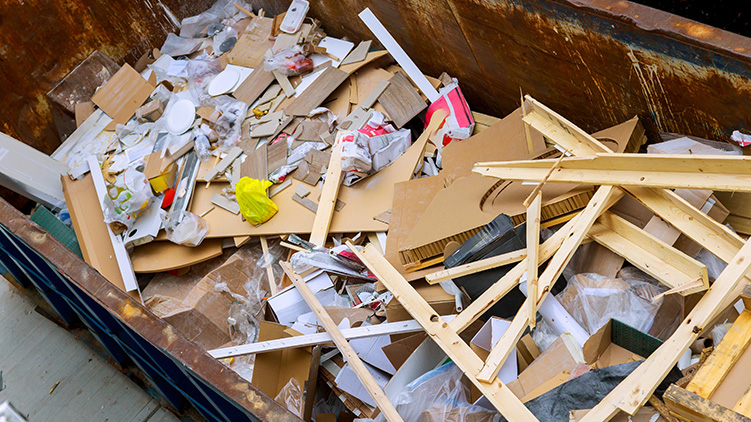
In 2024, there were over 16.4 million tonnes of waste generated from non-residential sources, the highest amount since 2008 (almost 16.6 million tonnes) but still shy of the record in 2006 (over 16.7 million tonnes).

Statistics Canada's look at the week.
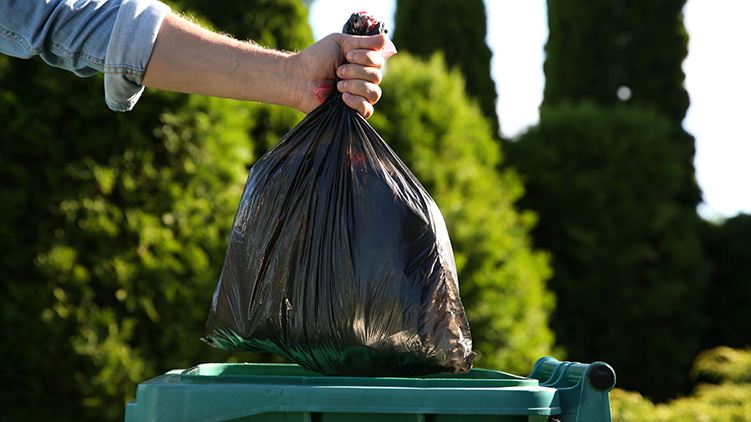
Digging deeper by province and territory and on a per-capita basis, using annual population estimates, let’s get the details on the 11.1 million tonnes of residential waste generated nationwide in 2024, up by 158 046 tonnes from 2022 (+1.4%). Over the same period, the estimated population increased 5.9%.