
Automobiles and planes, but not trains: How Canadians have returned home during the pandemic
Article
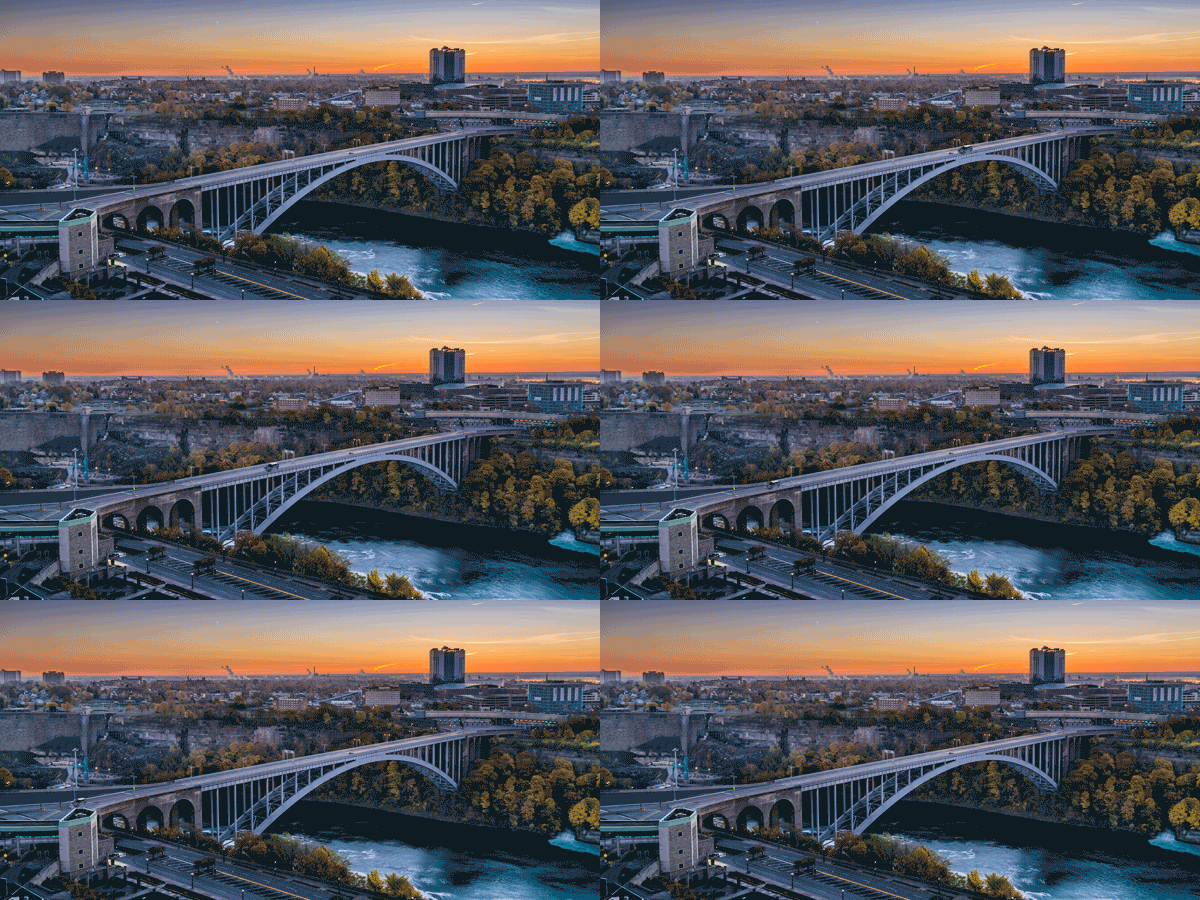
We don’t keep track of Canadians when they leave the country, but we do count them when they come home and also note how they came home.
We don’t keep track of Canadians when they leave the country, but we do count them when they come home and also note how they came home.

Let’s be honest—we’ve had a long stretch of beautiful weather this fall. Wouldn’t you agree? We’ve seen people outside doing sports or recreational activities, not only because it gives them a brief respite from the COVID-19 pandemic, but also because they’re very aware of the cold and harsh winter weather that will soon be on their doorstep. They’re making the most of it before the first snowfall, and it’s so good for morale!

Canadians are among the most charitable people in the world, ranking sixth behind Australians in terms of helping a stranger, donating money or volunteering time, according to a 2019 Charities Aid Foundation study.

There is no question that prices are rising across Canada overall. Indeed, the Consumer Price Index (CPI) has been increasing at its fastest pace in almost two decades over the last few months. Some consumers feel that prices may be rising at an even faster pace than captured by the CPI, but rest assured this is not the case.

For those caught in their wake, the recent flooding and landslides in British Columbia have been devastating; disrupting lives, affecting farms and businesses, and damaging or destroying homes.
Although the damage is limited to a few communities in Canada’s westernmost province, the effects of this storm will be felt throughout the country and beyond.
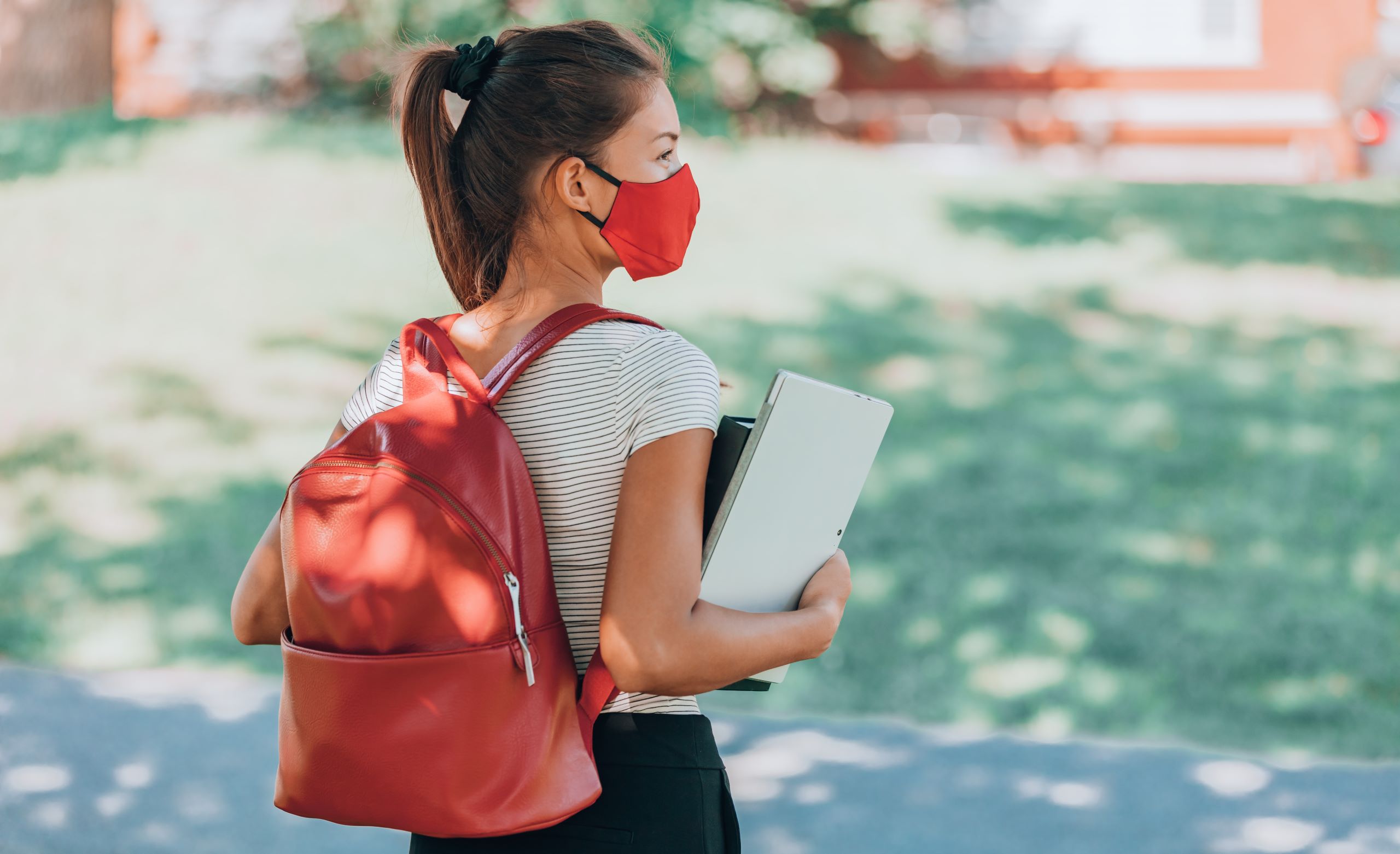
The university fall semester is wrapping up and students across Canada are busy turning in course assignments and studying for final exams. Some overwhelmed students may be questioning whether the effort is worth it. We’ve got a range of data and studies that can help students make an informed decision about their academic future.
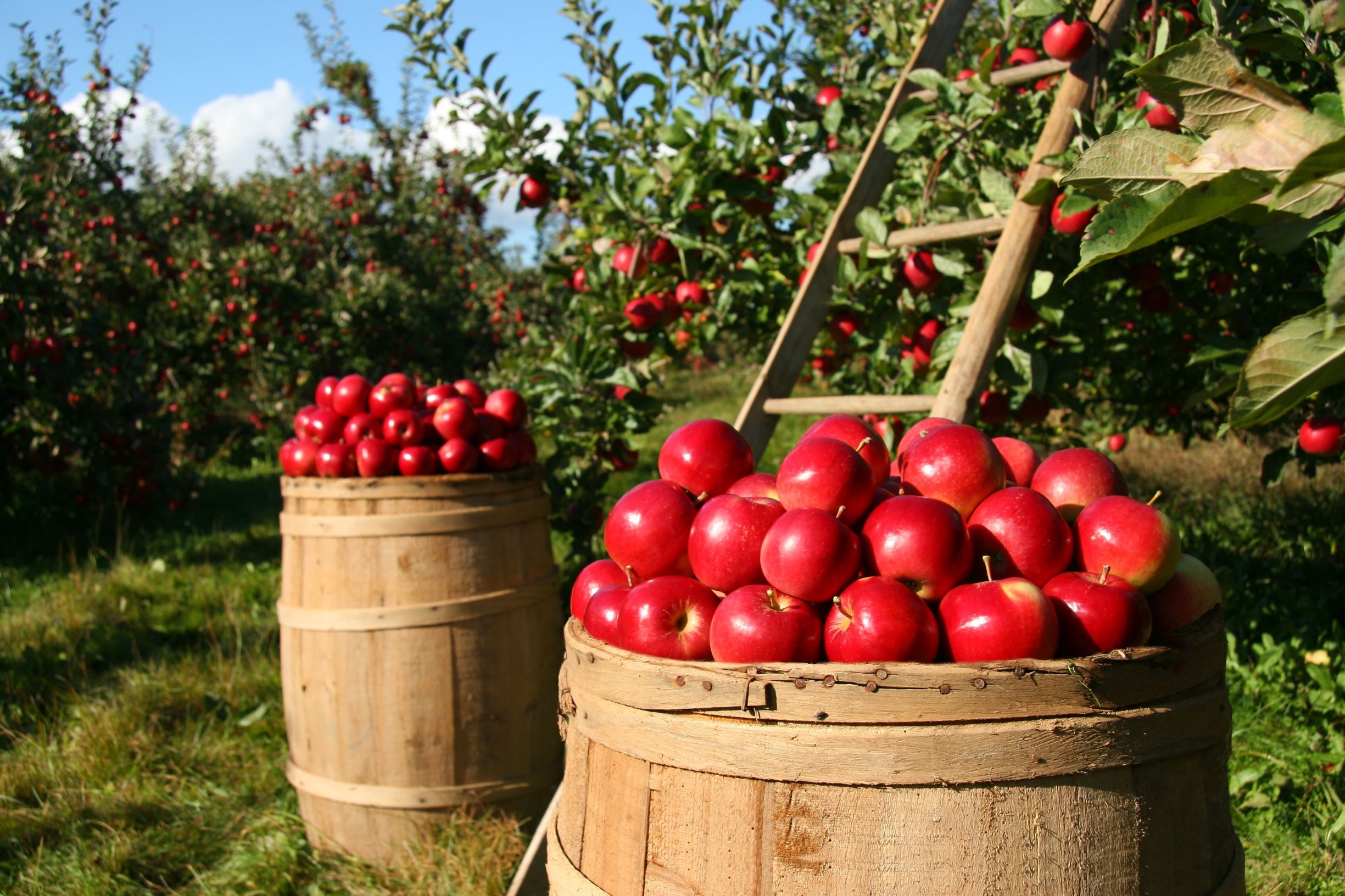
It’s been a challenging year for most Canadian apple farmers. Heatwaves in British Columbia and Ontario this summer and cold snaps in Eastern Ontario and Quebec this spring could slash production by 10% from a year earlier, according to industry estimates.