
The Weekly Review, May 25 to 29, 2026

Article
Statistics Canada's look at the week.
Statistics Canada's look at the week.

Results from the 2025 Survey on the Use of Digital Technologies by Health Care Providers (SUDTHCP) found that in 2024, 92% of Canadian health care providers indicated having access to a digital health system.
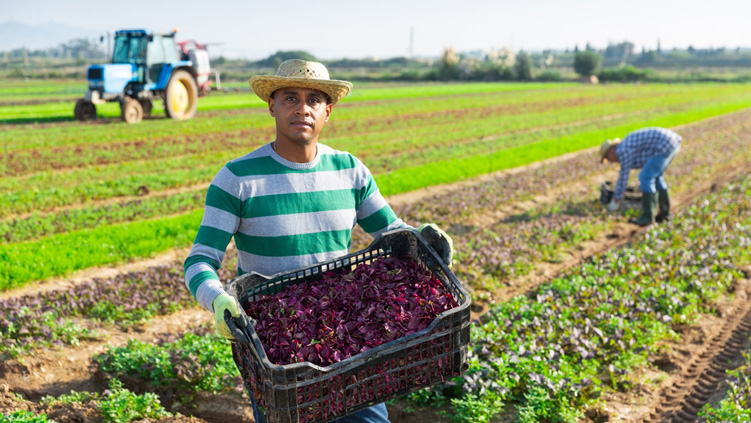
The number of temporary foreign agricultural workers employed on farms has grown by almost 40% in less than a decade, topping 74,000 a year since 2023.

As of December 2025, there were 18,769 business locations in the traveller accommodation industry group across Canada, spanning every province and territory. This includes all types of accommodations, from hotels to cabins and everything in between.

Statistics Canada's look at the week.

It was an up year for beekeepers and their busy bees in 2025 but it was not a great year by historical standards.

In the first quarter of 2026, just over one in six businesses (16.9%) in the accommodation and food services sector expected an increase in sales over the next three months, while almost three in five (59.6%) expected them to stay the same. Almost one in four (23.2%) expected a decrease in sales.

May 15 is a day when we are all encouraged to “ride our bike to work.” Canadians could use some encouraging. In 2025, 244,000 Canadians or 1.4% of commuters mainly depended on their bicycle to get to work, a rate that has barely budged in years.

In 2025, Canadian sod producers reported sales of $164.8 million, the highest on record since we started tracking sod sales in 2012.

From the day you were born to the day you die, and through every broken bone, blood test, or serious ailment in between, chances are a nurse is by your side, providing care. In 2025, Canadians relied upon the services of 451,500 nurses and allied health professionals, approximately 1.1 for every 100 people in the land.