

Stay on top of the country’s statistical news throughout the day!
Most recent publications
The Weekly Review, September 21 to 25, 2026

Statistics Canada's look at the week.
One in five Canadian businesses intends to sell or transfer—how many will change hands?

In the third quarter of 2026, approximately one in five (20.3%) businesses in Canada said that they intend to sell or transfer ownership within the next 10 years. Other businesses either did not intend to sell or transfer ownership within the next 10 years (42.6%), or their plans were unknown (37.1%).
A pan-Canadian electric feel

There were 58,811 new registrations of ZEVs across Canada in the second quarter of 2026, an increase compared with the first quarter of 2026 (43,113) and the second quarter of 2025 (46,413). This was the highest quarterly total since the fourth quarter of 2024, when 81,216 new ZEVs were registered.
The Weekly Review, September 14 to 18, 2026

Statistics Canada's look at the week.
Crop insurance pays when nature goes astray

Farmers depend on Mother Nature for a successful crop, and as we all know, weather in Canada can be fickle. As a result, crop farmers can buy government-backed or private insurance in case weather or other acts of God wreak havoc on their harvest.
A peachy story
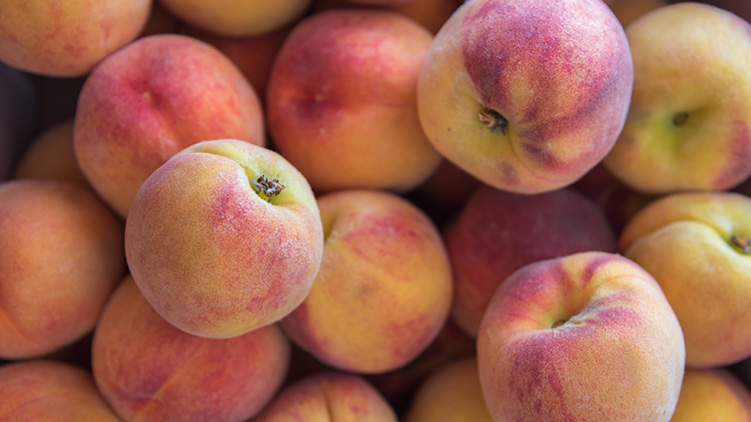
In 2025, nationwide marketed production of fresh peaches totalled 20 242 tonnes, up from 16 584 tonnes in 2024. Farmers received $47.7 million for their crop in 2025, the highest value in three years.
A profile of Canada’s NEETEST youth

You may have heard of the term “NEET,” that is, youth “not in employment, education or training” at a specific period in time. A recent StatCan study looks at Canada’s NEETEST youth—those who were “not in employment, education or training, excluding short transitions,” for at least one full year.
The Weekly Review, September 7 to 11, 2026

Statistics Canada's look at the week.
Official Languages Day everyday

The theme of this year’s official Languages Day is “Two Voices in Harmony.” At Statistics Canada, every day is Official Languages Day.
Heard it through the grape vine that most grapes grown in Canada go into wine
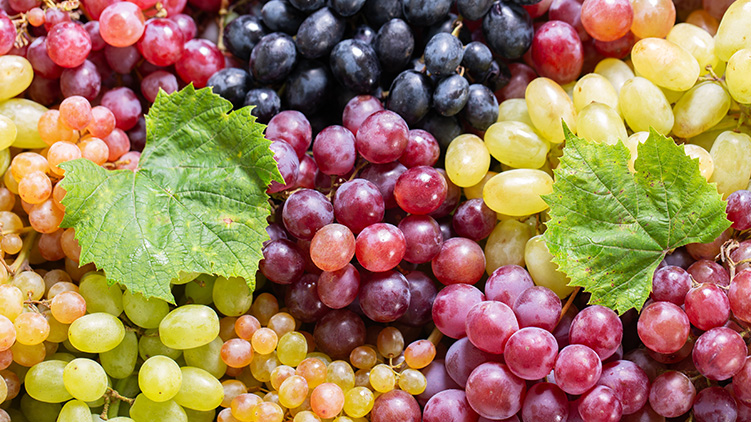
Canadian farmers mainly grow two types of grapes. Fresh Labrusca grapes are destined for the produce section of a supermarket to be eaten, while fresh vinifera or French hybrid grapes are grown to make wine. Based on production data, Canadians are much more likely to partake of the grape in liquid rather than in solid form, with fresh vinifera or French hybrid grapes accounting for 97.3% of total grape production in Canada in 2025.


