
The Weekly Review, October 20 to 24, 2025

Article
Statistics Canada's look at the week.
Statistics Canada's look at the week.

If you’ve ever waited at a level railway crossing as a train rumbled by, you’ve probably noticed the variety of freight cars rolling past, pulled or pushed by locomotives. Let’s take a closer look at Canada’s mainline railway rolling stock, from the mighty locomotives to the diverse freight cars, the cargo they carry and, of course, the dedicated people who keep the trains moving.

Every year, the National Travel Survey (NTS) collects detailed data on trip purpose, number of travellers, province of origin and destination, among others. The most recent data are from 2024, so as we continue our series of travel stories, let’s take a drive back through the data to see where Canadian travellers went in the Atlantic provinces and what they did.

The weather’s getting cooler, which is nature’s way of reminding you to check your furnace to make sure you’re not left out in (rather, inside with) the cold!

Statistics Canada's look at the week.

If you’ve landed, taken off or taxied to and from the runway safely, you probably have an air traffic service professional to thank for it.

With fall in full swing, the days are becoming noticeably shorter in Canada. But for five consecutive nights in October, there will be plenty of joy and light, as adherents of the Hindu, Sikh and Jain faiths mark important religious holidays.

Statistics Canada's look at the week.
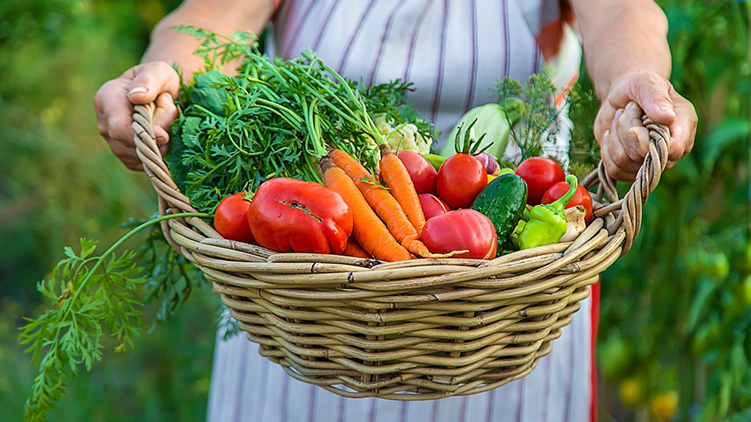
About three in five Canadian households (59%) grew fruit, herbs, vegetables or flowers for personal use in the past 12 months when surveyed in 2023, slightly down from 2021 (61%) but up from 2011 (56%).
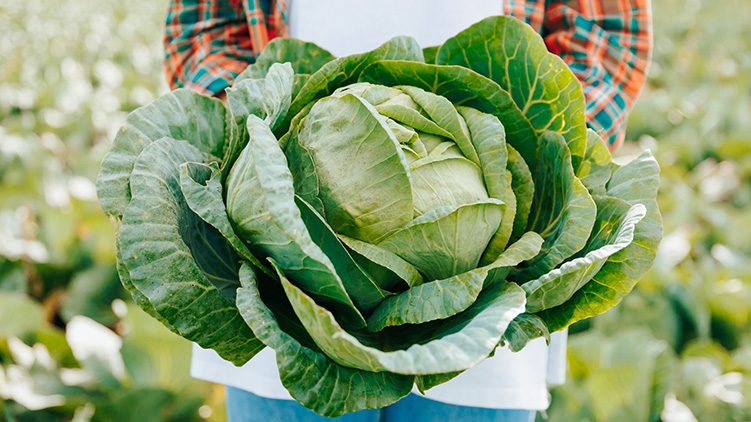
Cabbage grows best in cooler weather, so farmers plant in the spring before things heat up or in the late summer, when cabbage can grow and thrive during the cooler fall days. Kale, a member of the cabbage family does even better in the fall, with the flavour enhanced by a touch of frost. We track the production and sale of three types of cabbage: regular, Chinese and kale. Let’s dig into the data.