
The Weekly Review, July 27 to 31, 2026

Article
Statistics Canada's look at the week.
Statistics Canada's look at the week.
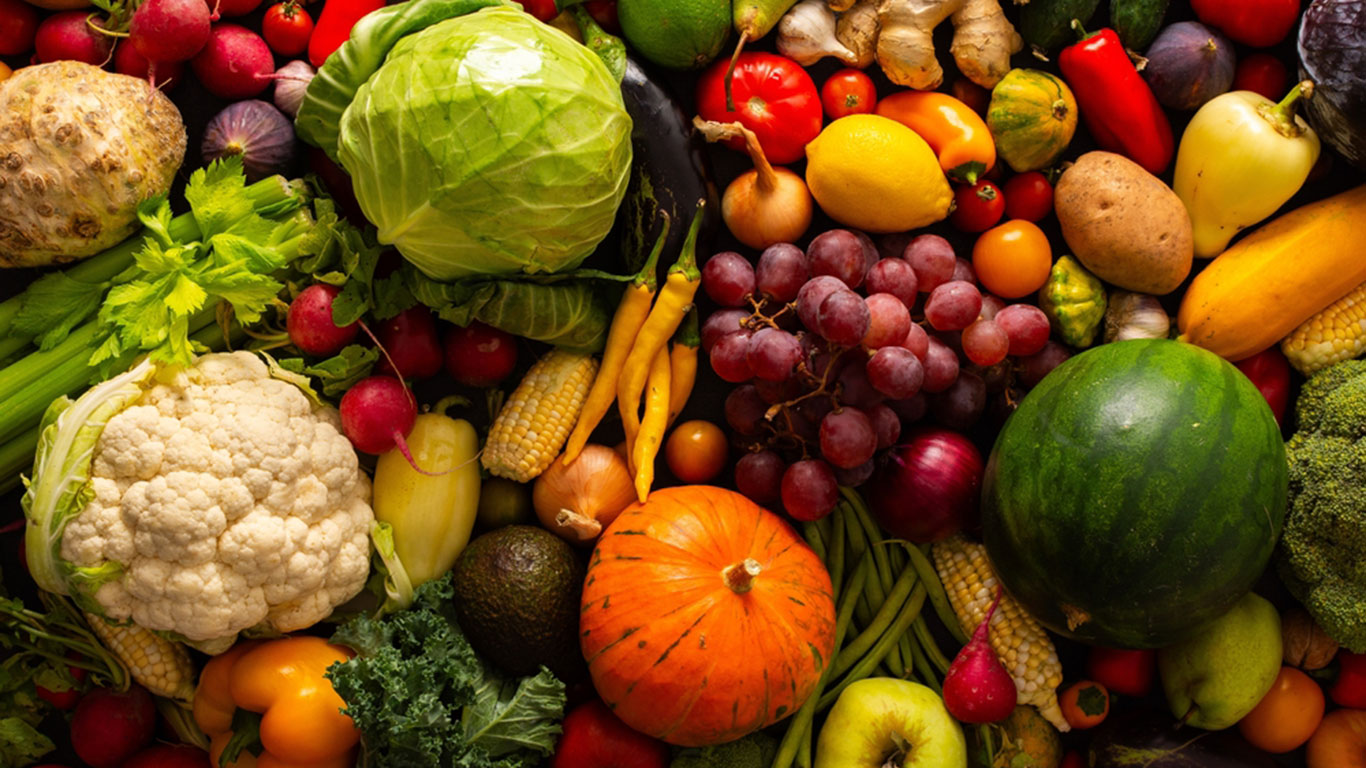
A few things stand out when you visit the produce section of a Canadian grocery store: the organic section is a lot smaller than the “conventional” produce section, and prices are generally higher. The same holds true at the national level, where, in 2025, organic vegetables accounted for 5.7% of total vegetable farmgate sales and organic fruits accounted for 5.3% of total fruit farmgate sales.
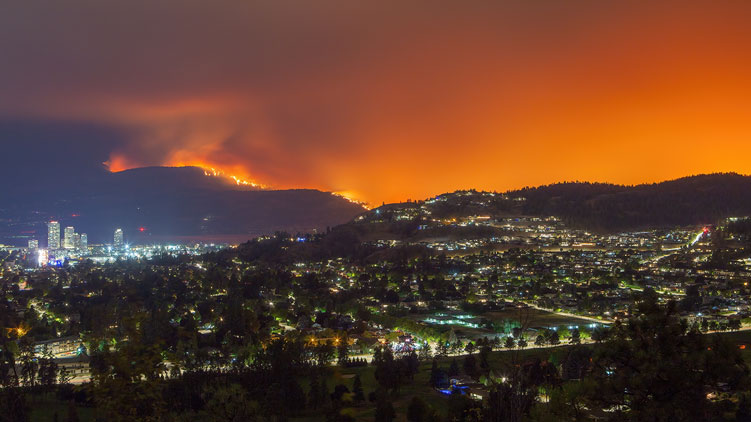
Ahead of this year’s wildfire season, two experts appeared on the Eh Sayers podcast to discuss both the science and the economic impacts. This week, Statistics Canada released an analysis of the effects of wildfires on Indigenous communities.

In the spirit of the upcoming International Youth Day, let’s explore the many ways young people participate in their communities and how these connections shape their sense of belonging.
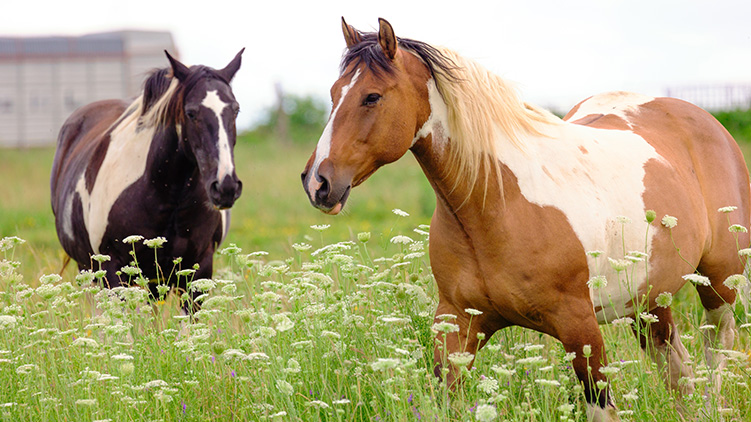
Just over a century ago in Canada, there were millions of working horses across the land, pulling wagons or plows and transporting people, while bison remained on the cusp of extinction. By 2021, there were almost as many bison (149,539) on Canadian farms as horses (183,733).

Statistics Canada's look at the week.

Canada’s population is rapidly aging. Indeed, in 2023, the median age of Canadians was 40.6 years. In other words, half of the total population was over the age of 40. A recent study found that older adults (65 years or older) were more likely to use specialist care than middle-aged adults (45 to 64 years) and were less likely to report experiencing difficulties accessing care.

Statistics Canada's look at the week.

Late July in Canada means plenty of hot weather, which means many Canadians head for the water—either to beat the heat, to enjoy their favourite water-related activity, or both!
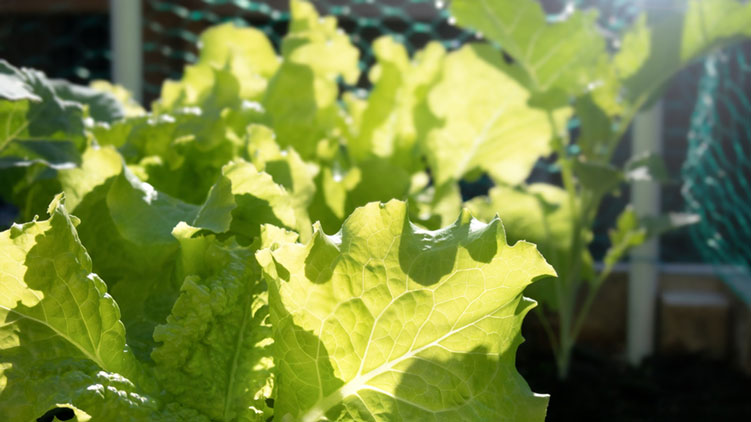
Marketed production of fresh lettuce totalled 84 343 tonnes in 2025, up for the second year in a row. This was the highest haul since 2019, when production totalled 84 896 tonnes.