
The Weekly Review, June 29 to July 3, 2026

Article
Statistics Canada's look at the week.
Statistics Canada's look at the week.

Calgary has come a long way since the first official annual Calgary Exhibition and Stampede was held in 1923. Calgary’s population has grown from just over 63,000 in 1921 to 1.3 million by 2021. The Calgary Stampede has also become one of Canada’s biggest annual festivals, with just under 1.5 million people attending what’s touted as “the greatest outdoor show on earth” in 2025.

Blueberries have been Canada’s most valuable fruit crop for most of the 21st century, claiming the top spot 16 times in 25 years. They remained Canada’s most lucrative fruit crop in 2025, despite sales declining 1.4% year over year to $325 million, topping apple sales by $28 million to claim the crown again.
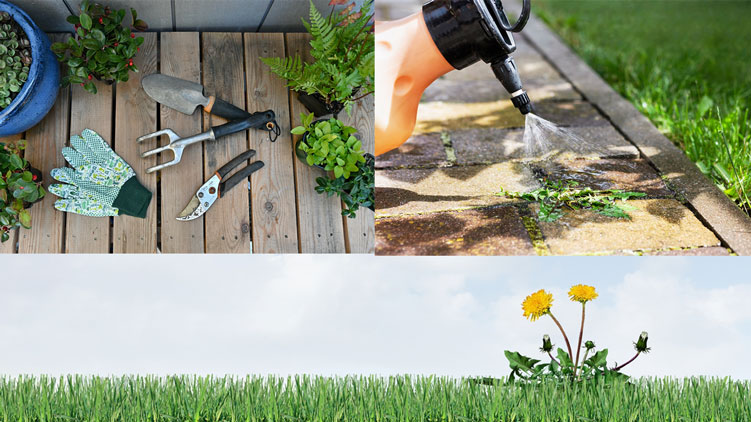
Gardening and lawn care bring much joy to those who love to tend them, but they are also hard work and a constant balancing act. Plants need fertilization to remain healthy and grow and may also need a helping hand to fend off harmful weeds, insects, bugs or slugs. Excluding apartment dwellers, almost all (96%) Canadian households reported having a lawn or garden in 2023, with over half (56%) applying fertilizer or pesticide to maintain their yard.

Statistics Canada's look at the week.

For countless Canadians, a hot summer night has often meant a trip to the local theatre—both to escape the heat and catch the latest blockbuster release.

In January 1976, a major redesign of the survey was finalized, providing 50 years (and counting!) of comparable data.

Statistics Canada's look at the week.

The 30th annual National Indigenous Peoples Day takes place on the summer solstice (June 21), the longest day of the year. This time of renewal, connection and celebration is an opportunity to celebrate the cultures, languages and traditions of First Nations people, Métis and Inuit.

In the second quarter of 2026, almost one in three (32.7%) businesses in the construction sector expected to raise prices for their services in the next three months, while just over three in five (61.4%) expected no change, and a very small proportion (5.9%) expected to lower prices.