A gouda’mount of data—all you need to know about cheese

Article
June 4 is National Cheese Day in Canada, and we at Statistics Canada are happy to dig, er, shred out some cheesy data for your consumption.
June 4 is National Cheese Day in Canada, and we at Statistics Canada are happy to dig, er, shred out some cheesy data for your consumption.


A concern often raised about working from home is that teleworking may impact a possible promotion, leading to slower wage growth than that of other employees over the long term.

For most high school graduates, a summer break is plenty of time to recharge before starting college or university in the fall. But a minority of students prefer to delay their education by taking a gap year.

May is Canadian Jewish Heritage Month, a time to recognize the important contributions that Jewish Canadians have made to Canada’s social, economic, political and cultural fabric.

“You’re on mute.” More than two years into the COVID-19 pandemic—and the seismic shift to virtual work and events—it must be one of the most-uttered phrases.

Got a green thumb and plan to storm your favourite nursery this weekend? With the warm weather upon us, many Canadians will be stocking up on flowers, plants and seedlings to get the gardening season started.
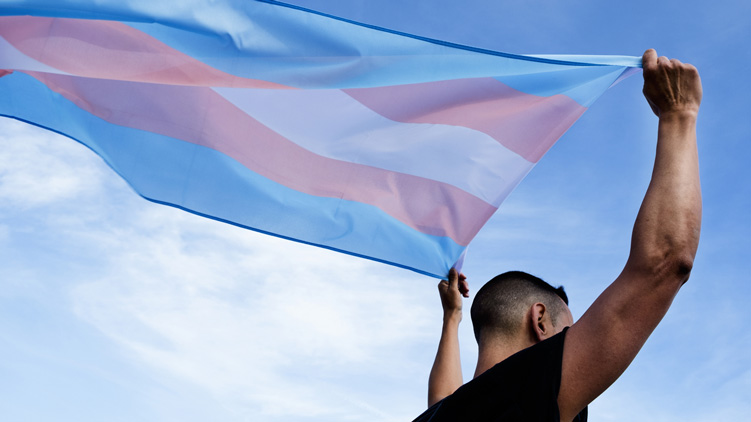
With the release of the 2021 Census, Canada became the first country to provide census data on transgender and non-binary people.

Canada is a low-fertility country, or below the no-migration population replacement level of 2.1 children per woman. Fertility rates have been steadily declining since 2009, with the trend intensifying since the onset of the COVID-19 pandemic: Canada’s fertility rate decreased from 1.47 children per woman in 2019 to a record low of 1.40 children per woman in 2020.